


















In the quiet dance of photons across silicon, a revolution is unfolding—one that is quietly reshaping our landscapes and redefining our energy future. Welcome to the world of solar panel production technology, where innovation meets sustainability in a dazzling display of human ingenuity. Over the past few decades, this industry has undergone a remarkable transformation, evolving from rudimentary, cost-prohibitive beginnings to a sophisticated, efficient, and increasingly accessible solution to our global energy needs. As we embark on a journey through the history and evolution of solar panel production, we find ourselves at the intersection of science and art, where cutting-edge advancements promise not only to harness the sun’s abundant energy but also to illuminate a path toward a cleaner, more sustainable future for our planet. Join us as we explore the milestones, breakthroughs, and the relentless pursuit of perfection that have brought solar technology to the forefront of the renewable energy revolution.
From Silicon to Sustainability: Tracing the Path of Solar Panel Innovation
In the early days, solar panels were bulky and expensive, primarily used in niche markets like space exploration. However, the relentless march of innovation has transformed these energy converters into a ubiquitous feature of modern rooftops. The shift from first-generation silicon-based solar cells to cutting-edge perovskite technology represents a remarkable journey. Silicon, the original workhorse, is still dominant, but the emergence of thin-film technologies and organic photovoltaics is pushing boundaries. These newer materials are not only lighter and more flexible but also promise to reduce costs and improve efficiency, making solar power accessible to a wider audience.
- Monocrystalline silicon – Known for its high efficiency and sleek aesthetics.
- Polycrystalline silicon – Offers a cost-effective solution with decent efficiency.
- Thin-film technologies – Include cadmium telluride and CIGS, offering flexibility and lightweight options.
- Perovskite solar cells – A promising newcomer with potential for high efficiency and low production costs.
The drive towards sustainability is not just about the panels themselves but also encompasses the entire production process. Manufacturers are now focusing on reducing the carbon footprint of solar panel production by adopting greener technologies and recycling materials. This holistic approach ensures that the solar industry not only contributes to reducing global emissions but also maintains a sustainable lifecycle for its products.

Harnessing Efficiency: Technological Breakthroughs in Photovoltaic Cells
In recent years, the landscape of solar energy has been dramatically transformed by remarkable advancements in photovoltaic cell technology. One of the most significant breakthroughs is the development of perovskite solar cells, which offer a promising alternative to traditional silicon-based cells. These cells are not only cost-effective but also highly efficient, boasting conversion efficiencies that continue to climb at an impressive rate. The flexibility of perovskite materials enables their application on a variety of surfaces, from flexible substrates to more traditional panel structures, making them a versatile solution for a range of energy needs.
Alongside perovskite innovations, bifacial solar panels have emerged as a game-changer in solar energy capture. These panels can absorb sunlight from both sides, significantly increasing their energy output. The dual-surface design captures reflected sunlight, maximizing energy production even in less-than-ideal conditions. Other technological strides include:
- Quantum dot solar cells, which harness nanotechnology to enhance light absorption.
- Organic photovoltaic cells, offering lightweight and flexible options for integration into urban environments.
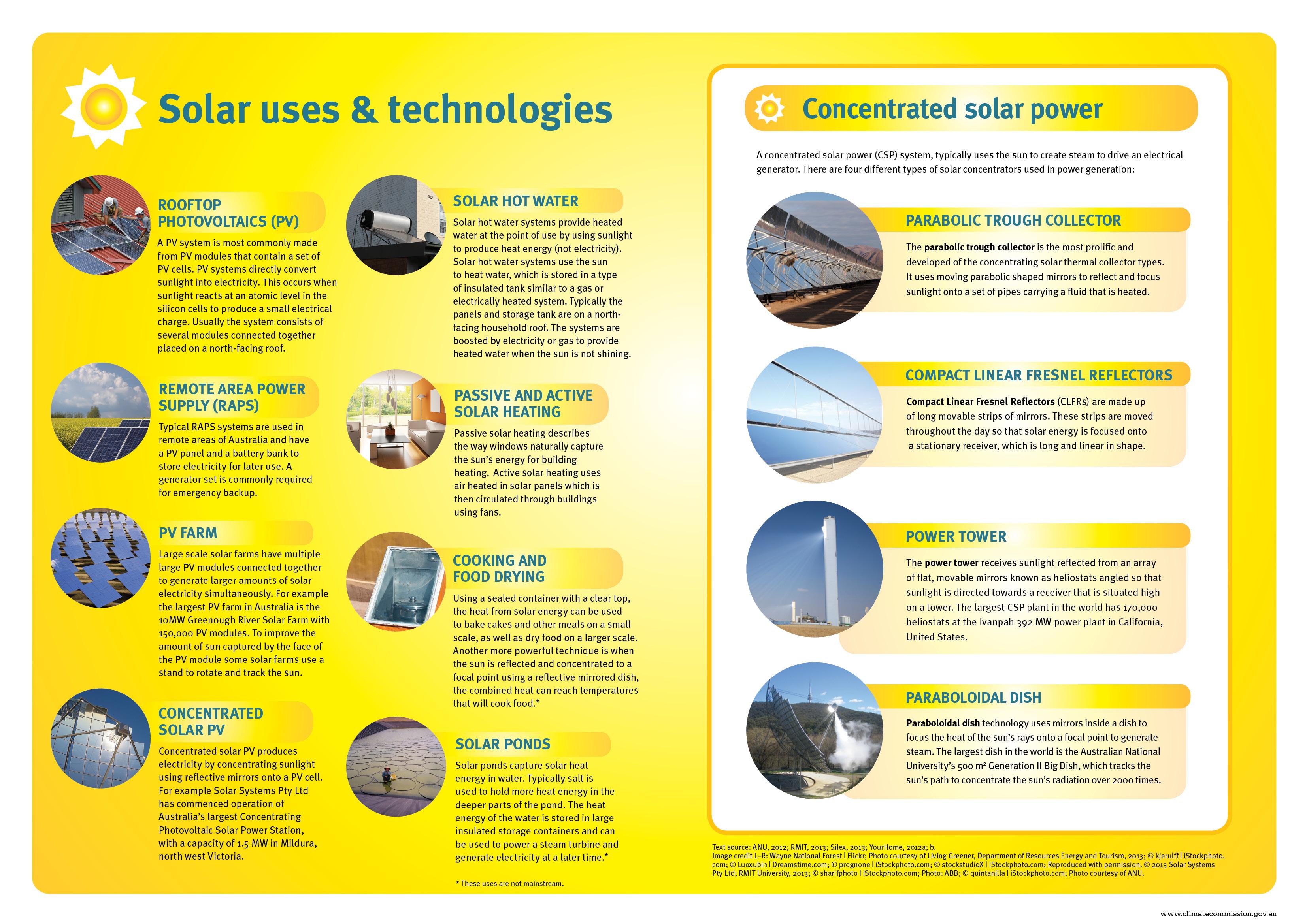
- Concentrated photovoltaic systems, which use lenses or mirrors to focus sunlight onto highly efficient cells.
These innovations are not only enhancing efficiency but are also paving the way for more sustainable and accessible solar power solutions worldwide.
Balancing Cost and Performance: Navigating the Economic Landscape of Solar Production
As the demand for renewable energy sources continues to rise, the solar industry faces the intricate challenge of balancing cost-efficiency with high performance. The evolution of solar panel production has been marked by technological innovations that aim to lower production costs while enhancing energy output. Manufacturers are now exploring cutting-edge materials and methods, such as perovskite solar cells and bifacial panels, to achieve this balance.
- Perovskite solar cells: Known for their flexibility and lower production costs, these cells promise to revolutionize the industry.
- Bifacial panels: These panels capture sunlight from both sides, increasing efficiency without significantly raising costs.
- Thin-film technology: This approach reduces material usage and costs while maintaining competitive efficiency levels.
However, navigating this economic landscape requires a keen understanding of market dynamics and consumer needs. Investments in research and development are crucial, as they drive innovations that can bridge the gap between affordability and performance. By embracing these advancements, the solar industry can continue its trajectory towards a sustainable and economically viable future.
Future-Proofing Solar Technology: Strategic Recommendations for Industry Leaders
As the solar industry continues to evolve, embracing innovation is crucial for industry leaders aiming to stay ahead. Investing in advanced materials is one strategic recommendation, as new materials can enhance the efficiency and lifespan of solar panels. Materials such as perovskite and bifacial solar cells have shown promising potential in capturing more sunlight and converting it into electricity. Furthermore, adopting automated manufacturing processes can significantly reduce production costs and time, allowing for more scalable solutions to meet the growing demand.
Industry leaders should also focus on collaborative partnerships to foster innovation and share resources effectively. This includes working with research institutions and tech companies to develop next-generation solar technologies. Additionally, exploring recycling and waste management strategies can ensure sustainability by minimizing the environmental impact of solar panel production. By implementing these strategic recommendations, the solar industry can better prepare for future challenges and maintain its pivotal role in the global energy landscape.
Final Thoughts
As we conclude our exploration into the evolution of solar panel production technology, it becomes clear that the journey from rudimentary beginnings to sophisticated advancements is a testament to human ingenuity and the relentless pursuit of sustainable energy solutions. The story of solar panels is not merely about technological progress but also a reflection of our growing commitment to harmonizing with the planet. Each innovation, from the enhancement of photovoltaic efficiency to the reduction of production costs, brings us closer to a future where clean energy is not just an alternative but the norm. As we stand on the cusp of new breakthroughs, let us remain inspired by the sun’s potential, ever-mindful of the possibilities that lie ahead. With every step forward, we are reminded that the evolution of solar technology is not just a chapter in the story of energy, but a beacon guiding us towards a brighter, more sustainable world.