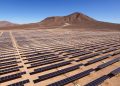





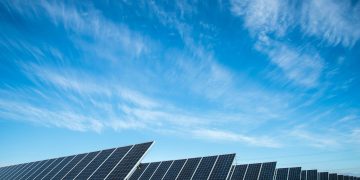





As the sun rises each day, casting its golden glow across the world’s vast bodies of water, a quiet revolution is taking place on their shimmering surfaces. Floating solar farms, an innovative solution to the ever-growing demand for renewable energy, are beginning to make waves across the globe. These futuristic arrays of photovoltaic panels, gently bobbing atop lakes, reservoirs, and even seas, symbolize a new frontier in sustainable energy. As land becomes increasingly scarce and environmental concerns mount, countries are turning their gaze to the untapped potential of their aquatic landscapes. This article delves into the rise of floating solar farms, exploring how they are transforming the energy landscape, harnessing the sun’s power while coexisting with the delicate ecosystems beneath.
Harnessing Sunlight on Water: The Innovative Approach to Renewable Energy
Floating solar farms are emerging as a groundbreaking solution to the growing demand for renewable energy. These innovative installations are cleverly situated on bodies of water, such as lakes, reservoirs, and even the open sea, providing several advantages over traditional land-based solar arrays. By utilizing unused water surfaces, they help conserve precious land resources and offer a unique way to cool solar panels naturally, thus improving their efficiency and longevity.
Benefits of Floating Solar Farms:
- Land Conservation: Utilizes space on water bodies, leaving more land available for agriculture and urban development.
- Enhanced Efficiency: Water cooling effect increases the efficiency of solar panels.
- Reduced Evaporation: Shields water bodies, reducing evaporation and preserving water levels.
- Minimal Environmental Impact: Typically has a lower environmental footprint compared to traditional solar farms.

Environmental Benefits and Challenges of Floating Solar Installations
Floating solar installations, a burgeoning innovation in renewable energy, offer a range of environmental benefits that are hard to overlook. By utilizing water bodies, these systems significantly reduce the need for land, preserving terrestrial ecosystems and agricultural spaces. They also help to reduce water evaporation from reservoirs and lakes, which is crucial in arid regions. Moreover, the shade provided by these installations can lead to lower water temperatures, benefiting aquatic life by inhibiting the growth of harmful algae.
- Land Conservation: Minimizes land use conflicts and preserves natural habitats.
- Water Preservation: Reduces evaporation and conserves water resources.
- Improved Water Quality: Mitigates algae growth and maintains healthier aquatic ecosystems.
Despite these advantages, there are also challenges that need to be addressed. The installation and maintenance of these systems can disrupt local aquatic life, and their long-term impact on ecosystems is still under study. Potential issues such as changes in water currents, the risk of leaks or spills, and the need for careful management of electrical components in a water-based environment pose significant hurdles. Furthermore, the initial costs and technical complexities of deploying these systems can be higher than traditional solar farms.
- Ecological Disruption: Potential impacts on aquatic habitats and water dynamics.
- Technical Challenges: Complex installation and maintenance requirements.
- Cost Considerations: Higher initial investments compared to land-based solar farms.

Global Case Studies: Success Stories from Leading Nations in Floating Solar
In the dynamic landscape of renewable energy, several nations have pioneered the adoption of floating solar technology, turning vast water surfaces into productive energy sources. Japan has been at the forefront, leveraging its limited land availability by installing floating solar panels on reservoirs and dams. The Yamakura Dam project, one of the largest of its kind, highlights Japan’s innovative approach to energy solutions, producing enough electricity to power thousands of homes while minimizing land use.
The Netherlands has also made significant strides, with its unique projects that harmonize solar technology with aquatic ecosystems. Floating solar farms like those on the Sellingen reservoir not only contribute to sustainable energy goals but also offer ecological benefits, such as reduced evaporation and algae growth. Meanwhile, China has capitalized on its numerous water bodies, transforming former coal mining sites into floating solar parks. These projects not only represent a shift towards cleaner energy but also provide a blueprint for environmental restoration. Through these examples, leading nations demonstrate how floating solar can be seamlessly integrated into diverse environments, paving the way for a sustainable future.
Strategic Recommendations for Implementing Floating Solar Farms Globally
To successfully implement floating solar farms on a global scale, strategic considerations must address both technological and environmental challenges. Site selection is paramount; it should focus on bodies of water with minimal ecological impact and low conflict with existing water uses. Additionally, investing in advanced anchoring and mooring systems will ensure the stability and longevity of installations, especially in regions prone to harsh weather conditions. Partnerships with local stakeholders can enhance project feasibility and acceptance, paving the way for smoother regulatory approvals.
Cost-effectiveness is another critical factor, which can be enhanced by leveraging economies of scale through bulk purchasing agreements and innovative financing models like power purchase agreements (PPAs). Governments can play a pivotal role by offering incentives and subsidies, reducing initial investment barriers for developers. Lastly, fostering a culture of continuous innovation by investing in research and development will help optimize efficiency and lower costs, making floating solar farms a more viable option worldwide.
The Way Forward
As the sun sets on our exploration of floating solar farms, it’s clear that this innovative approach to renewable energy is more than just a trend—it’s a testament to human ingenuity in the face of environmental challenges. By transforming serene water bodies into dynamic powerhouses, floating solar farms are illuminating a path towards a more sustainable future. From bustling cities to remote rural landscapes, these solar islands are not only redefining the energy landscape but also inspiring a global dialogue on the creative solutions necessary for a greener tomorrow. As we continue to navigate the complexities of energy demands and climate change, the rise of floating solar farms serves as a beacon of possibility, reminding us that sometimes, the answers to our most pressing questions are found by simply looking to the horizon.