





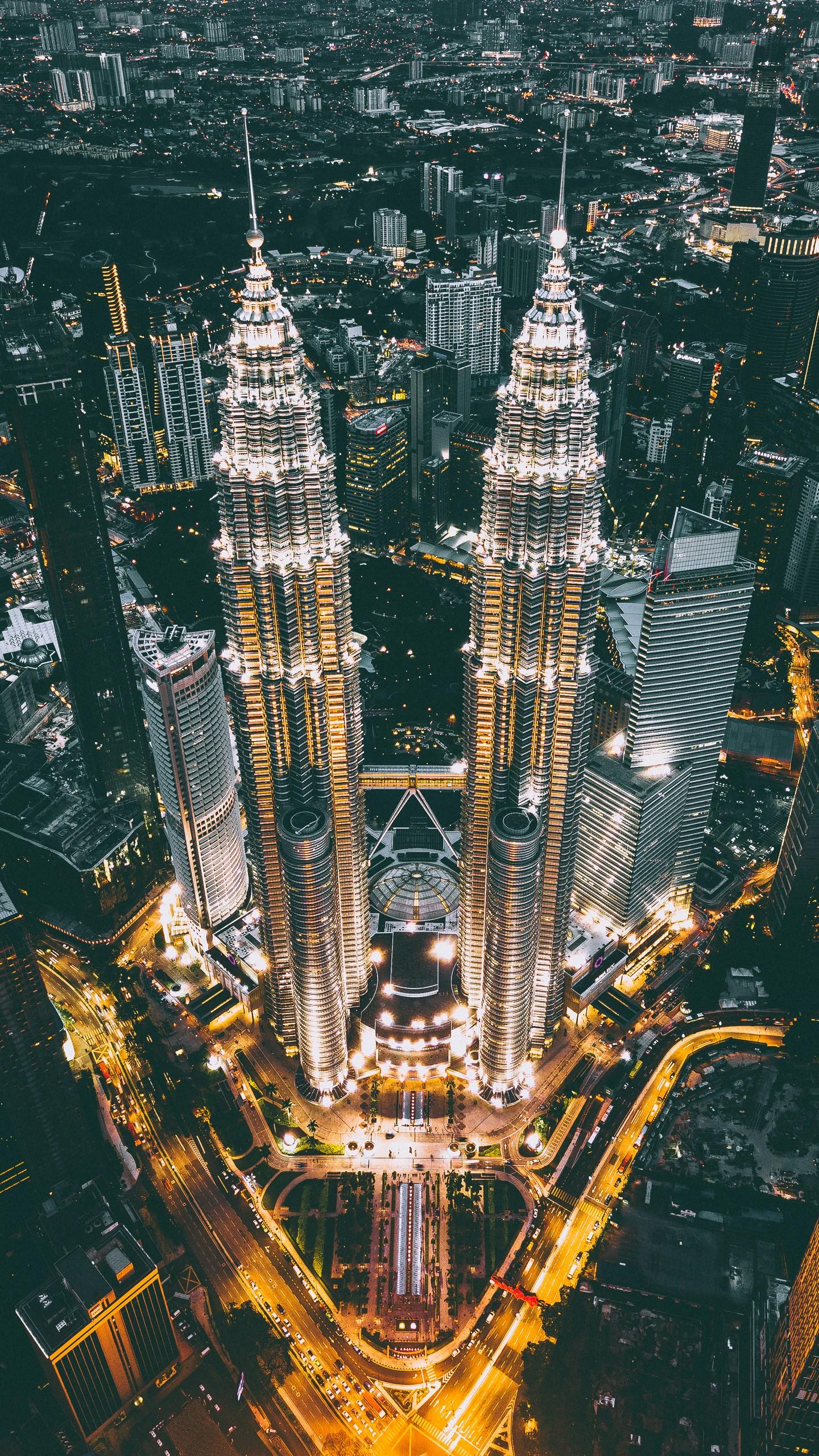
In a world where sustainability is no longer just a buzzword but a necessity, the concept of energy-positive buildings stands as a beacon of hope and innovation. These structures, designed to generate more energy than they consume, promise to revolutionize the way we think about our living and working spaces. Yet, amid the optimism, a pressing question looms: Is energy-positive building technology a feasible reality for most regions, or is it an ambitious dream confined to the pages of architectural magazines? As we delve into this inquiry, we explore the technological advancements, economic considerations, and geographical challenges that shape the landscape of energy-positive construction. Join us on this journey to uncover whether this pioneering approach to architecture is a universal solution or a privilege reserved for a select few.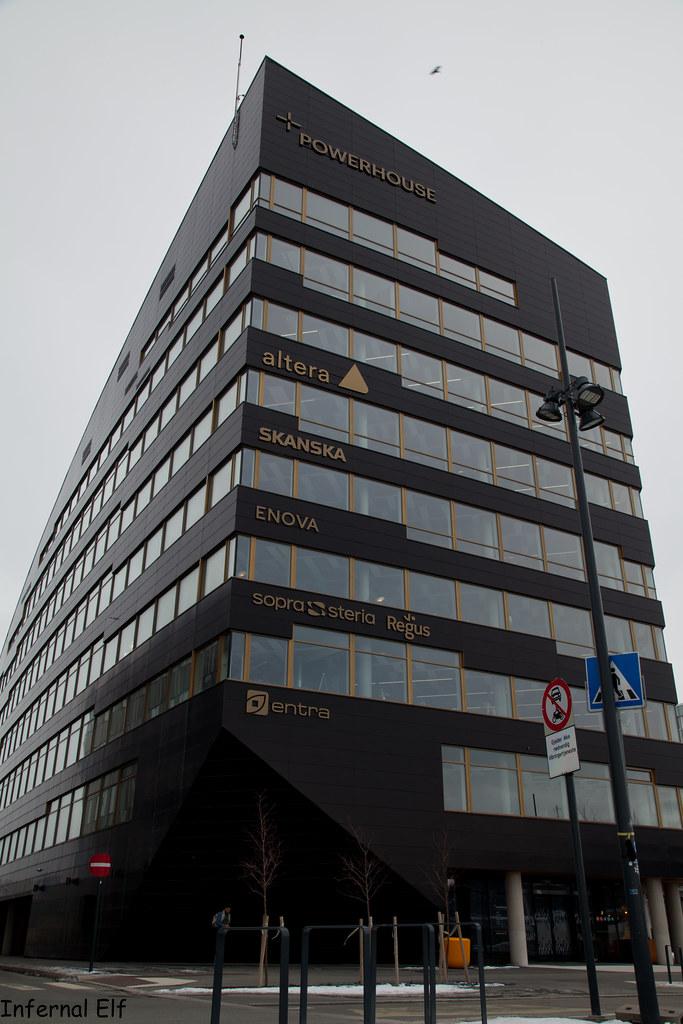
Balancing Ambitions with Reality in Energy-Positive Building Design
In the quest for sustainable development, energy-positive buildings have emerged as a beacon of hope. However, designing structures that generate more energy than they consume requires a delicate balance between ambition and reality. While the technology is promising, its application across various geographical regions presents significant challenges. Local climate conditions, economic factors, and infrastructure limitations can hinder the implementation of these advanced systems.
- Climate Conditions: Regions with limited sunlight or wind may struggle to harness renewable energy effectively.
- Economic Constraints: The initial investment for energy-positive technologies can be prohibitive, especially in areas with limited financial resources.
- Infrastructure Challenges: Existing buildings and urban layouts may not be conducive to retrofitting energy-positive solutions.
Ultimately, while the dream of energy-positive buildings is inspiring, its feasibility varies widely. By acknowledging these regional disparities and focusing on adaptive strategies, we can inch closer to realizing this vision globally.
Harnessing Local Resources for Sustainable Architecture
In the quest for sustainable architecture, the integration of local resources plays a pivotal role in making energy-positive building technology more accessible and feasible. By utilizing locally sourced materials, architects can significantly reduce the carbon footprint associated with transportation and material processing. This approach not only supports local economies but also ensures that buildings are better adapted to their specific environmental contexts. Locally available resources can include:
– Indigenous materials like bamboo, adobe, or timber
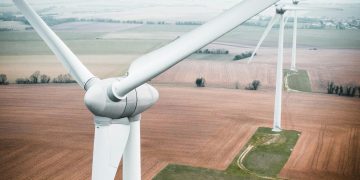
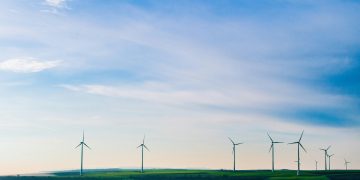
– Renewable energy sources such as solar or wind power
– Natural ventilation and lighting solutions
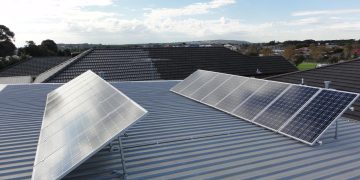
Embracing these resources allows for innovative design solutions that are both environmentally responsible and economically viable. For instance, incorporating solar panels and rainwater harvesting systems tailored to the local climate can optimize energy efficiency. Moreover, by understanding the cultural and environmental nuances of a region, architects can design buildings that resonate with local traditions while pushing the boundaries of sustainability. The challenge lies in balancing cutting-edge technology with time-tested local practices to create structures that are not only energy-positive but also harmonious with their surroundings.
Technological Innovations Bridging the Feasibility Gap
In recent years, technological advancements have significantly narrowed the gap between aspiration and feasibility in the realm of energy-positive buildings. With the rise of innovative materials and smart systems, what once seemed a utopian vision is gradually becoming a practical reality. Here are some of the key innovations making this possible:
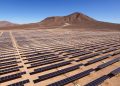
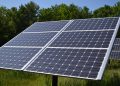
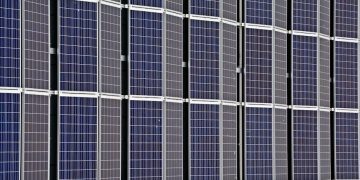
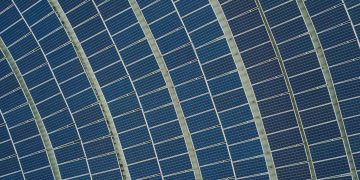
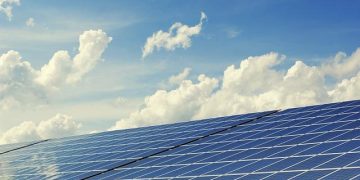
- Advanced Solar Solutions: Modern solar panels, including transparent solar glass and flexible photovoltaic films, are being integrated into building designs more seamlessly than ever, providing efficient energy capture without compromising aesthetics.
- Smart Energy Management Systems: Cutting-edge software and AI-driven platforms optimize energy consumption by analyzing usage patterns and predicting future needs, ensuring that buildings are not only energy-efficient but also capable of producing surplus energy.
- Innovative Insulation Techniques: New insulation materials and methods significantly reduce energy loss, allowing buildings to maintain comfortable temperatures with minimal energy input.
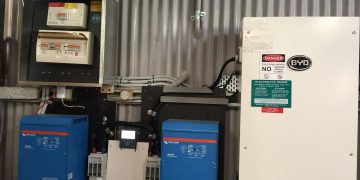
- Grid-Interactive Technologies: Buildings are becoming active participants in the energy grid, capable of storing and distributing energy when needed, thus contributing to a more balanced and resilient energy ecosystem.
These technologies are steadily bridging the gap, making energy-positive buildings a viable option even in regions previously considered unsuitable. While challenges remain, the ongoing evolution of these innovations offers a promising glimpse into a more sustainable future.
Policy and Incentives: Paving the Way for Broader Adoption
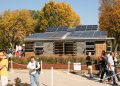
To foster the widespread implementation of energy-positive building technology, policy frameworks and incentives play a pivotal role. Governments can lead the charge by offering tax credits, grants, and subsidies to builders and homeowners who adopt energy-positive designs. Local authorities might also consider relaxing zoning laws and building codes to facilitate the integration of innovative technologies and designs. Moreover, the establishment of green certification programs could serve as a motivator, providing recognition and potential market advantages for developers committed to sustainable practices.
Alongside governmental support, private sector incentives could amplify these efforts. Utility companies might introduce rebate programs for customers who achieve energy-positive status, or offer reduced rates for those integrating renewable energy sources. Financial institutions can join the movement by developing green loans and favorable financing terms for eco-friendly construction projects. By creating a symbiotic ecosystem of policy and incentives, we can accelerate the transition towards a built environment that not only meets energy needs but generates a surplus, making energy-positive building technology a feasible reality across diverse regions.
In Conclusion
As we conclude our exploration of energy-positive building technology, it’s clear that the path forward is both promising and challenging. While the concept of structures that generate more energy than they consume is undeniably appealing, its widespread adoption is contingent upon a myriad of factors—from regional climate considerations and technological advancements to economic feasibility and policy support. As we stand on the cusp of a potential energy revolution, it becomes imperative for stakeholders, innovators, and policymakers to engage in a concerted effort to overcome these hurdles. By fostering collaboration and embracing innovation, we can work towards a future where energy-positive buildings become not just a possibility, but a reality accessible to all. The journey may be complex, but the potential rewards for our planet and communities are well worth the endeavor. As we look ahead, let us remain open to the possibilities and committed to the pursuit of sustainable solutions.