












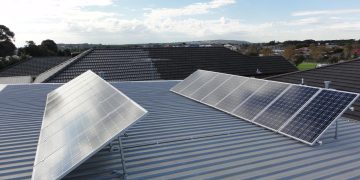







In the sprawling tapestry of the universe, the sun stands as a ceaseless beacon of energy, an ancient powerhouse that has fueled life on Earth for eons. As humanity grapples with the pressing need to mitigate climate change, we find ourselves turning to this celestial giant with renewed purpose, seeking answers in its radiant glow. The promise of solar energy as a clean, sustainable solution is enticing, but beneath its sunlit allure lies a complex web of questions. Does harnessing the sun’s power genuinely translate to a long-term reduction in carbon emissions, or is this just another fleeting ray of hope in our quest for a greener planet? This article delves into the intricate dance between solar technology and environmental impact, exploring the potential and pitfalls of our solar ambitions. As we cast our eyes skyward, we invite you to journey with us through the light and shadows of solar energy’s role in shaping a sustainable future.
Evaluating the Lifelong Carbon Footprint of Solar Panels
Understanding the comprehensive environmental impact of solar panels requires a thorough analysis of their entire lifecycle, from production to disposal. While solar panels are renowned for generating clean energy during their operational phase, the manufacturing process does involve energy-intensive activities and raw material extraction, which contribute to carbon emissions. For instance, the production of photovoltaic cells often requires high temperatures and specialized materials like silicon, which must be mined and processed. However, it’s important to note that these initial emissions are generally offset within the first few years of a solar panel’s operational life.
Beyond the production stage, other factors such as transportation, installation, maintenance, and end-of-life disposal or recycling also play a role in the total carbon footprint of solar panels. To better evaluate the environmental impact, consider the following:
- Manufacturing and Materials: Investigate the sourcing of raw materials and the energy efficiency of the production processes.
- Transportation and Installation: Assess the carbon emissions associated with transporting and installing solar panels.
- Operational Efficiency: Evaluate how effectively the panels convert sunlight into electricity over their lifespan.
- End-of-Life Management: Explore recycling options and the environmental impact of disposal methods.
By examining these elements, we can gain a more nuanced understanding of how solar energy stacks up in terms of long-term carbon emission reductions.

Uncovering the Environmental Impact of Solar Manufacturing
While solar panels are celebrated for their ability to generate clean energy, it’s crucial to consider the environmental footprint of their production. The manufacturing process involves several stages, each with its own set of ecological impacts. These include:
- Resource Extraction: Mining of raw materials like silicon, silver, and aluminum, which can lead to habitat destruction and pollution.
- Energy Consumption: High energy requirements for processing materials and manufacturing panels, often relying on fossil fuels.
- Chemical Usage: The use of hazardous chemicals that, if not managed properly, can contaminate air and water sources.
Despite these challenges, advancements in technology and sustainable practices are helping to mitigate these effects. The industry’s shift towards recycling and reusing materials, along with efforts to power manufacturing facilities with renewable energy, are promising steps towards reducing the carbon footprint of solar panel production.

Strategies for Maximizing Solar Energys Emission Reductions
To effectively harness solar energy’s potential in cutting carbon emissions, it’s crucial to implement well-thought-out strategies. Integrating solar technology with smart grids is one approach that enhances efficiency by allowing for better energy distribution and storage. This ensures that surplus solar energy can be stored for later use, reducing reliance on fossil fuels during peak demand periods.
Another key strategy is the adoption of solar panels in urban planning. By integrating solar installations into buildings, parking structures, and public spaces, cities can significantly reduce their carbon footprint. This not only maximizes the surface area available for solar collection but also promotes sustainable development. Additionally, investing in research and development to improve solar technology efficiency can lead to more effective energy conversion, making solar power a more viable long-term solution for emission reduction.
- Smart grid integration
- Urban planning with solar installations
- Investment in R&D for efficiency improvements

Balancing Cost and Sustainability in Solar Energy Adoption
Adopting solar energy involves navigating a complex landscape where financial considerations and environmental commitments intertwine. While solar panels can significantly reduce electricity bills, the upfront investment remains a hurdle for many. Innovations in financing, like power purchase agreements and solar leasing, are making it easier for homeowners and businesses to access solar technology. However, it is crucial to assess the long-term benefits versus initial costs to ensure that sustainability doesn’t come at an unaffordable price.
On the sustainability front, solar energy promises substantial reductions in carbon emissions, yet the manufacturing and disposal processes of solar panels pose environmental challenges. To achieve true sustainability, one must consider the entire lifecycle of solar technology. Here are some key factors to consider:
- Material Sourcing: Utilizing recycled or less environmentally harmful materials can minimize the carbon footprint.
- Manufacturing Efficiency: Enhancing production processes to use less energy and produce fewer emissions.
- End-of-Life Management: Developing effective recycling programs to manage solar waste.
Balancing these elements is crucial for ensuring that solar energy remains a genuinely sustainable solution for the future.
Insights and Conclusions
As the sun sets on our exploration of solar energy and its impact on carbon emissions, we find ourselves at the crossroads of innovation and responsibility. The promise of solar power to diminish our carbon footprint shines brightly, yet it is accompanied by the shadows of challenges and uncertainties. While the technology continues to evolve, offering cleaner alternatives to fossil fuels, the journey towards a sustainable future is far from linear. The long-term reduction of carbon emissions through solar energy hinges on collective action, policy support, and technological advancements. As we continue to harness the sun’s power, it becomes crucial to weigh the environmental benefits against the broader implications, ensuring that our steps towards sustainability are both deliberate and informed. In this delicate balance, the role of solar energy remains a beacon of hope, urging us to persevere in our quest for a greener tomorrow.