












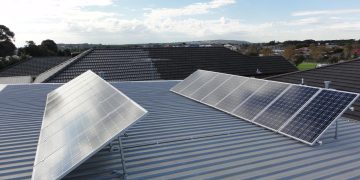







In the dawning light of a new era, where the hum of traditional energy sources begins to wane, a radiant force is rising to illuminate the path forward. Solar energy, once relegated to the realm of futuristic dreams, now stands at the forefront of innovation, poised to redefine the architecture of our energy grids. As the world pivots towards sustainable solutions, the sun’s boundless potential offers a beacon of hope and a blueprint for transformation. This article delves into the pivotal role of solar power in sculpting the energy grids of tomorrow, exploring its capacity to harmonize ecological imperatives with technological advancement. Join us as we unravel the tapestry of possibilities woven by this celestial powerhouse, and discover how solar energy is set to illuminate the future of global energy infrastructure.
Harnessing the Sun: Integrating Solar Power into Modern Energy Grids
Solar power is increasingly becoming a cornerstone of modern energy grids, offering a sustainable and renewable alternative to fossil fuels. As the world grapples with climate change and the need for clean energy, the integration of solar power into energy grids is crucial. This integration involves innovative technologies and strategic planning to ensure reliability and efficiency. Solar panels, once confined to rooftops and remote fields, are now being integrated into urban landscapes and even embedded into building materials. The ability to harness the sun’s energy and seamlessly incorporate it into existing grids is a testament to human ingenuity and adaptability.
The benefits of integrating solar power are manifold. Some key advantages include:
- Reduced Carbon Footprint: Solar energy production results in significantly lower greenhouse gas emissions compared to traditional energy sources.
- Energy Independence: Countries and regions can reduce their reliance on imported fossil fuels, enhancing energy security.
- Cost Savings: With decreasing costs of solar technology, both consumers and utility providers can benefit economically in the long run.
- Scalability and Flexibility: Solar installations can be scaled to meet local demands, providing flexibility in energy production and distribution.
As solar technology continues to advance, its role in shaping the future of energy grids becomes ever more pivotal, driving the transition towards a cleaner, more sustainable energy landscape.

Balancing Act: Achieving Stability with Solar-Driven Energy Solutions
In an era where sustainability is paramount, the integration of solar-driven energy solutions offers a promising path towards equilibrium in future energy grids. The inherent flexibility of solar power, combined with advancements in technology, facilitates a seamless blend with existing infrastructures. Solar energy is not only a clean source but also increasingly efficient, thanks to innovations in photovoltaic cells and storage systems. By harnessing the sun’s power, energy grids can reduce their reliance on fossil fuels, thereby decreasing carbon emissions and promoting environmental health.
- Decentralization: Solar installations can be distributed across vast geographical areas, from rooftops to solar farms, reducing transmission losses and enhancing grid reliability.
- Scalability: Whether it’s a small residential system or a large-scale solar plant, solar energy solutions can be tailored to meet diverse energy demands.
- Energy Independence: Communities can achieve greater energy independence by investing in solar technologies, shielding themselves from volatile global energy markets.
- Economic Benefits: Job creation in the solar sector and reduced energy costs are tangible economic advantages that accompany the transition to solar-driven grids.
As we advance, the symbiotic relationship between solar energy and modern technology will undoubtedly play a pivotal role in crafting a balanced and resilient energy future. By strategically incorporating solar power into the energy mix, we can forge a path that aligns economic growth with ecological responsibility.

Innovative Storage: Unlocking Solars Full Potential through Advanced Technologies
As the demand for renewable energy grows, the integration of advanced storage technologies has become pivotal in harnessing the true potential of solar power. By leveraging cutting-edge solutions, such as lithium-ion batteries, flow batteries, and supercapacitors, solar energy can be stored more efficiently, allowing for a stable and reliable energy supply even when the sun isn’t shining. These innovations not only enhance the capability of solar systems to provide power during peak demand periods but also facilitate a more resilient and adaptable energy grid.
- Scalability: Advanced storage solutions offer the flexibility to scale energy storage from small residential setups to large utility-scale projects.
- Efficiency: Enhanced storage technologies reduce energy loss, ensuring that more solar power is effectively utilized.
- Cost-effectiveness: As technology evolves, the cost of solar energy storage is decreasing, making it a more viable option for widespread adoption.
- Grid Stability: By providing backup power and reducing reliance on fossil fuels, advanced storage contributes to a more stable and sustainable energy grid.
Policy Pathways: Strategic Recommendations for a Solar-Powered Future
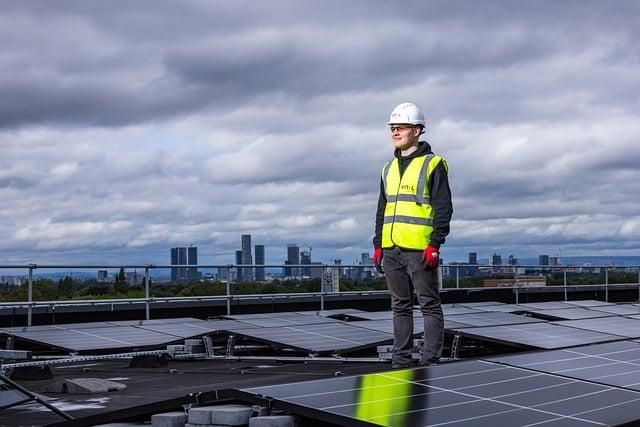
To effectively integrate solar energy into future energy grids, several strategic recommendations are pivotal. Policymakers should focus on creating an enabling environment that encourages both innovation and investment in solar technologies. This involves offering tax incentives and subsidies to reduce initial costs, thus making solar installations more attractive for both individuals and businesses. Streamlining regulatory frameworks to facilitate quicker approvals and permits can further accelerate solar adoption. Additionally, fostering partnerships between public and private sectors can leverage resources and expertise to scale solar infrastructure efficiently.
- Invest in solar research and development to drive technological advancements.
- Enhance grid infrastructure to accommodate the variability and decentralization inherent in solar energy.
- Promote community solar programs to democratize access to solar power and ensure equitable energy distribution.
- Implement smart grid technologies to optimize energy management and storage solutions.
To Conclude
As the sun sets on our exploration of solar energy’s pivotal role in future energy grids, we find ourselves standing at the dawn of a new era. This journey through the luminous possibilities of solar power reveals a landscape rich with potential, where technology and nature harmoniously converge to illuminate our path forward. While challenges remain, the resilience and innovation inherent in the human spirit guide us toward solutions that harness the sun’s abundant gifts. As we look to the horizon, the future gleams with the promise of a cleaner, more sustainable energy grid, one where solar power is not just a component, but a cornerstone of progress. With each sunrise, we edge closer to a world where the brilliance of solar energy lights the way to a brighter tomorrow.