



In a world increasingly powered by the sun, the question of solar energy‘s viability extends beyond sun-drenched deserts and tropical havens. As the golden rays stretch across the globe, even the frostbitten rooftops of cold climates find themselves bathed in light. This begs the question: Is residential solar truly worth the investment in regions where winter’s chill often lingers? As snowflakes dance upon shingles and icicles form, homeowners from the snowy expanses of Minnesota to the frosty reaches of Scandinavia are exploring whether harnessing the sun’s energy is a practical endeavor or merely a fleeting dream. This article delves into the factors that influence the effectiveness of solar panels in cold climates, weighing the benefits and challenges to illuminate the path toward sustainable energy, even in the heart of winter’s embrace.
Solar Potential in Snow-Covered Lands
When envisioning solar panels, the first image that often comes to mind is a sun-soaked rooftop in a warm climate. Yet, snow-covered regions possess a unique solar potential that is frequently overlooked. The crisp, white snow acts as a natural reflector, enhancing the sunlight that reaches the solar panels. This phenomenon, known as the albedo effect, can significantly increase energy production during the winter months, counteracting the reduced daylight hours.
In these colder climates, residents can benefit from solar installations in various ways:
- Increased efficiency: Solar panels operate more efficiently in cooler temperatures compared to hot environments.
- Government incentives: Many regions offer attractive incentives and tax breaks for residential solar installations, which can offset initial costs.
- Energy independence: Even in areas with heavy snowfall, the reliability of solar technology can reduce dependency on grid power.
Thus, embracing solar energy in snow-laden landscapes is not just a feasible option; it’s a strategic one that leverages natural resources to create sustainable living solutions.
Energy Efficiency: The Cold Climate Challenge
When evaluating the potential of residential solar in regions where winter chills dominate, it’s essential to consider how these conditions influence energy efficiency. Solar panels are surprisingly effective even in colder climates. While snow can cover panels, reducing their efficiency temporarily, the reflective properties of snow can actually enhance sunlight absorption when the panels are clear. Additionally, solar panels operate more efficiently in cooler temperatures, as extreme heat can decrease their performance.
For those contemplating solar investments in frosty regions, here are a few points to ponder:
- Increased Energy Output: Contrary to popular belief, cold climates can enhance solar panel efficiency.
- Snow Management: Regular maintenance, such as clearing snow off panels, is crucial for optimizing performance.
- Incentives and Rebates: Many regions offer financial incentives to encourage solar adoption, which can offset initial costs.
- Energy Independence: Solar power can reduce reliance on grid electricity, which is especially beneficial during winter storms when outages are more frequent.
Understanding these aspects can help homeowners make informed decisions about harnessing solar energy, even when the thermometer dips below freezing.
Financial Incentives for Northern Solar Installations
Homeowners in northern regions often question the viability of solar energy due to colder climates and shorter daylight hours. However, a range of financial incentives makes this eco-friendly option increasingly attractive. Federal tax credits are available, allowing you to deduct a portion of your solar installation costs from your federal taxes. This can significantly reduce the upfront financial burden.
Additionally, many northern states and provinces offer specific incentives such as rebates and net metering programs. These programs allow you to earn credits on your utility bill for the excess energy your solar panels produce. Here’s a brief look at what’s often available:
- State/Provincial Rebates: Some regions offer direct rebates to lower the initial cost of solar panel installation.
- Performance-Based Incentives (PBIs): Earn payments based on the energy your solar system generates over time.
- Property Tax Exemptions: Many areas do not increase property taxes due to the added value of solar panels.
These incentives, combined with advancements in solar technology designed for efficiency in lower-light conditions, make solar power a financially viable option even in colder climates.
Optimizing Solar Panel Performance in Low-Temperature Regions
One might assume that solar panels are less effective in colder climates, but this is a common misconception. In reality, solar panels can operate efficiently in low-temperature regions, and there are several strategies to enhance their performance even further. The key is understanding the unique challenges and opportunities that these environments present. For instance, cooler temperatures can actually improve the efficiency of solar panels, as they tend to work more effectively when not overheated. Additionally, clear winter skies can provide excellent conditions for solar energy collection, as the sun’s rays can be more intense when reflecting off snow.
To maximize the benefits of solar energy in these regions, consider the following tips:
- Install at the optimal angle: Adjust the angle of the panels to maximize sun exposure, especially during the winter months.
- Regular maintenance: Keep the panels free from snow and ice, which can block sunlight and reduce efficiency.
- Invest in high-quality panels: Choose panels designed to perform well in low-light conditions, which are common in colder regions.
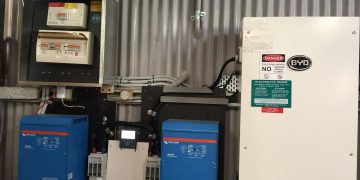
- Use microinverters: These can help optimize energy production by managing the output of each panel individually.
Final Thoughts
As we draw the curtains on our exploration of residential solar power in cold climates, it’s clear that the answer to “Is it worth it?” isn’t as frosty as one might assume. The solar landscape, even amidst snowflakes and chilly winds, is far from barren. While challenges such as snow coverage and reduced sunlight loom, technological advancements and financial incentives offer a warm embrace to those willing to invest in the sun’s steadfast promise.
the decision to harness solar energy in cooler regions is as unique as the landscapes they illuminate. It’s a dance between personal values, environmental aspirations, and financial calculations. Whether you choose to embark on this solar journey or not, one thing remains certain: the dialogue about renewable energy is a crucial one, echoing across rooftops and reaching toward a more sustainable future. So, as you mull over your options, remember that even in the coldest of climates, the potential for a brighter, greener tomorrow is just a sunbeam away.