












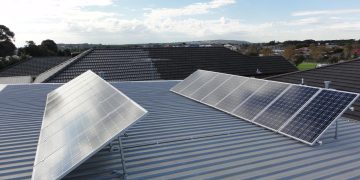






In recent years, the sun has not only risen on the horizon but also on a burgeoning industry that promises to redefine our relationship with energy: solar power. As the world pivots towards sustainable solutions, the solar workforce stands at the forefront of this transformation, adapting and evolving in response to a rapidly changing market. The solar sector, once a niche field of visionaries and early adopters, is now a dynamic arena of innovation and opportunity. From advancements in technology to shifts in policy and consumer demand, the landscape is undergoing a metamorphosis that is reshaping job roles, skills, and the very fabric of the industry. This article delves into the evolution of the solar workforce, exploring how it is navigating the challenges and opportunities of a new energy era, and what this means for the future of work in a world increasingly powered by the sun.
Adapting Skills for Tomorrows Solar Landscape
As the solar industry continues to expand, there’s a growing demand for a workforce equipped with a diverse set of skills tailored to meet the challenges of tomorrow’s energy landscape. The rapid advancements in solar technology, coupled with evolving market dynamics, necessitate a workforce that is not only technically proficient but also adaptable and forward-thinking. Here are some of the key skills that are becoming increasingly important:
- Technical Expertise: With the continuous evolution of solar technologies, staying updated with the latest advancements in photovoltaic systems, battery storage, and grid integration is crucial.
- Data Analysis: As solar installations become more data-driven, the ability to interpret and analyze data for optimizing performance and efficiency is invaluable.
- Project Management: Managing complex solar projects requires strong organizational skills and the ability to coordinate between various stakeholders effectively.
- Soft Skills: Communication, teamwork, and problem-solving skills are essential to collaborate across different teams and address client needs.
- Regulatory Knowledge: Understanding the ever-changing regulatory landscape is critical for ensuring compliance and capitalizing on incentives and subsidies.
By embracing these skills, professionals can not only thrive in the current market but also drive innovation and growth in the solar sector, paving the way for a sustainable energy future.

Harnessing Technology to Propel Solar Careers
In the ever-evolving landscape of renewable energy, the integration of cutting-edge technology has become pivotal in shaping and expanding solar careers. Artificial Intelligence (AI) and Machine Learning (ML) are not just buzzwords; they are the engines driving efficiency and innovation within the industry. These technologies allow for the optimization of solar panel placements and the enhancement of energy output predictions, ensuring that solar professionals can deliver smarter solutions with precision.
Moreover, the advent of Augmented Reality (AR) and Virtual Reality (VR) has transformed the way solar technicians and engineers are trained and operate. Through immersive training programs, these tools provide a risk-free environment to hone skills and simulate real-world scenarios, effectively reducing errors and increasing productivity. Key technological advancements include:
- Drones for site surveys and inspections, offering aerial views that are faster and more accurate.
- Blockchain technology to enhance transparency and trust in solar energy transactions.
- Smart grid technology that allows for better management and distribution of solar power.
These innovations not only enhance the skill set of the solar workforce but also open up new career paths, allowing professionals to specialize in areas that were unimaginable just a decade ago.

Fostering Diversity and Inclusion in Solar Employment
The solar industry is embracing a transformative approach to workforce development, emphasizing the importance of diverse and inclusive environments. As the demand for renewable energy surges, solar companies are recognizing that a varied team brings a wealth of perspectives, leading to more innovative solutions and a stronger competitive edge. By actively seeking talent from underrepresented communities, the industry is not only enriching its talent pool but also fostering a culture of equity and respect.
- Training Programs: Initiatives are being implemented to provide specialized training and apprenticeships, opening doors for individuals from diverse backgrounds.
- Inclusive Hiring Practices: Companies are revising their recruitment strategies to eliminate biases and ensure equal opportunities for all candidates.
- Community Engagement: By partnering with local organizations, the solar sector is building relationships that support community-driven employment and awareness.
These efforts are crucial as the industry adapts to a changing market, ensuring that the solar workforce reflects the diversity of the communities it serves. This evolution not only benefits the employees but also enhances the industry’s capability to meet the growing global demand for sustainable energy solutions.

Strategic Pathways for Workforce Resilience in Solar
In the ever-evolving solar industry, establishing robust strategic pathways for workforce resilience is crucial. Companies are increasingly adopting innovative strategies to navigate the dynamic market landscape. Investing in continuous education and training is one such pathway, ensuring employees are equipped with the latest skills and knowledge. Emphasizing cross-disciplinary learning not only enhances individual competencies but also fosters a versatile workforce capable of adapting to new technologies and methodologies.
Another key approach is to cultivate a culture of adaptability. This involves fostering an environment where change is embraced and employees are encouraged to be agile thinkers. By implementing mentorship programs and promoting a growth mindset, organizations can enhance resilience among their teams. Furthermore, forming strategic partnerships with educational institutions and industry bodies can help in aligning workforce skills with future market demands, ensuring that the solar workforce remains competitive and resilient in the face of industry transformations.
In Retrospect
As the sun sets on our exploration of the evolving solar workforce, it’s clear that this industry is no longer just about panels and installations—it’s a dynamic ecosystem teeming with innovation and adaptability. As market demands shift and technologies advance, the workforce is responding with resilience and creativity, crafting a future where sustainability is not just a goal, but a reality. Whether you’re a seasoned professional or a curious newcomer, the solar sector invites you to be part of this exciting journey. As we continue to harness the power of the sun, one thing remains certain: the solar workforce is not just adapting to change—it’s driving it. And in this dance between energy and enterprise, the future looks brilliantly bright.