












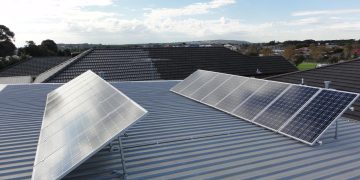

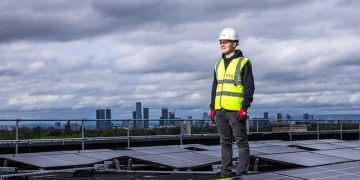




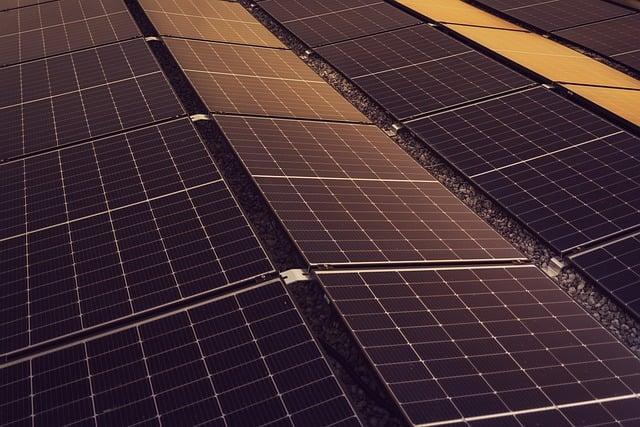
In the sprawling tapestry of modern urban landscapes, a quiet revolution is taking place, one that gleams under the sun’s relentless gaze. Rooftop solar installations, once a mere whisper in the conversation about sustainable energy, have become a prominent fixture in cities worldwide. These shimmering panels promise not only to harness the sun’s abundant energy but also to redefine our relationship with the environment. Yet, as with any transformative innovation, their rise prompts a series of intricate questions. Should governments, the stewards of urban development and public policy, step in to regulate this burgeoning trend? Or should the proliferation of solar panels be left to the organic forces of market demand and individual choice? This article delves into the multifaceted debate surrounding rooftop solar installations, exploring the potential benefits and challenges of government intervention in shaping the future of our cities’ skylines.
Balancing Urban Aesthetics with Renewable Energy Needs
In the heart of our bustling urban landscapes, a delicate dance unfolds between the desire for modern aesthetics and the urgent need for sustainable energy solutions. Cities, with their iconic skylines and architectural marvels, are at a crossroads where visual appeal and environmental responsibility must find common ground. As rooftop solar installations become increasingly popular, the challenge lies in integrating these panels without disrupting the visual harmony that characterizes urban environments.
- Architectural Harmony: Balancing the sleek design of skyscrapers with solar panel installations can be challenging. Innovative solutions like solar skins or aesthetically pleasing solar tiles are emerging as potential solutions.
- Community Engagement: Engaging with local communities to gauge their preferences and aesthetic values can ensure that renewable energy projects gain public support while respecting the cultural identity of urban areas.
- Regulatory Frameworks: Cities could benefit from developing guidelines that promote both energy efficiency and aesthetic integration, ensuring that solar panels enhance rather than detract from urban landscapes.
Ultimately, the quest to harmonize urban aesthetics with renewable energy needs is not just about choosing between beauty and utility. It’s about reimagining how these elements can coexist, crafting a future where cities not only thrive visually but also contribute to a sustainable planet.
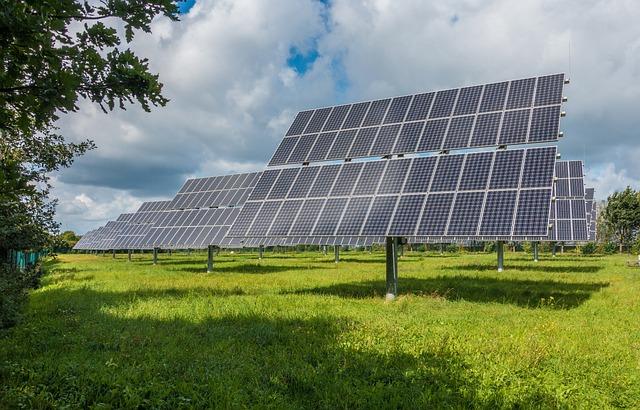
Assessing the Impact of Rooftop Solar on City Infrastructure
As urban areas embrace the shift towards renewable energy, the proliferation of rooftop solar installations has sparked a multifaceted discussion about their implications on city infrastructure. Rooftop solar panels offer numerous benefits, such as reducing carbon emissions and lowering electricity costs for residents. However, they also pose challenges that require careful consideration. City planners and policymakers must evaluate how these installations interact with existing urban landscapes and systems. Key areas of concern include the impact on power grid stability, potential interference with emergency services, and aesthetic changes to city skylines.
One of the primary challenges is ensuring the local electrical grid can accommodate the influx of distributed energy sources. While rooftop solar can reduce strain on the grid during peak hours, inconsistent generation due to weather conditions can lead to fluctuations that the current infrastructure may not be prepared to handle. Additionally, there are considerations regarding the structural integrity of buildings, especially older ones, when outfitted with solar panels. Urban planners and city officials must balance these technical challenges with the environmental and economic benefits, fostering an environment where sustainable energy coexists with urban development. Potential strategies could include:
- Implementing updated building codes and standards to ensure compatibility with solar installations.
- Encouraging collaboration between utility companies and solar providers to enhance grid management.
- Developing aesthetic guidelines to maintain the visual harmony of urban environments.

Policy Considerations for Sustainable Solar Expansion
In the quest for sustainable solar expansion, governments face a delicate balancing act between promoting renewable energy and managing urban aesthetics and infrastructure. As cities become more densely populated, the integration of rooftop solar installations can present unique challenges. Policymakers must weigh several considerations, such as the impact on historical architecture, potential disruptions to urban skylines, and the capacity of existing electrical grids to handle increased solar input. Additionally, there is the issue of equitable access to solar energy, ensuring that all communities, regardless of socioeconomic status, can benefit from these renewable resources.
To address these concerns, governments could explore a variety of strategic approaches:
- Zoning regulations that designate specific areas within cities where solar installations are encouraged or restricted.
- Incentive programs for building owners to incorporate solar technology in a way that complements the architectural integrity of the neighborhood.
- Collaborations with utility companies to upgrade grid infrastructure and enhance its capacity to accommodate increased solar energy input.
- Public awareness campaigns that highlight the benefits of rooftop solar, encouraging wider acceptance and understanding.
By considering these factors, governments can foster a more sustainable and harmonious integration of solar energy within urban landscapes.

Strategic Recommendations for Harmonizing Solar Growth and Urban Planning
Urban planners and policymakers are faced with the challenge of seamlessly integrating solar technology into city landscapes while ensuring efficient land use and maintaining aesthetic values. To achieve this balance, it is crucial to develop strategic guidelines that prioritize both environmental and urban development goals. One approach is to encourage the installation of rooftop solar systems on existing structures, which minimizes the need for additional land use. This can be achieved by offering incentives such as tax breaks or subsidies to property owners who adopt solar solutions. Furthermore, integrating solar panels with green roofs can enhance energy efficiency and promote biodiversity, creating a symbiotic relationship between urban architecture and environmental sustainability.
Key recommendations for harmonizing solar growth with urban planning include:
- Zoning regulations that support solar installations on residential and commercial buildings without compromising urban aesthetics.
- Development of solar-ready building codes that mandate the inclusion of solar infrastructure in new construction projects.
- Establishing community solar projects that allow multiple stakeholders to benefit from shared solar resources, thus optimizing space usage.
- Promoting public-private partnerships to drive innovation and investment in solar technology tailored to urban environments.
These strategies not only ensure that solar growth complements urban planning but also position cities as leaders in the transition to renewable energy.
Concluding Remarks
As the sun sets on our exploration of whether governments should limit rooftop solar installations in cities, we find ourselves at a crossroads of innovation and regulation. The debate illuminates the intricate dance between urban development and sustainable energy, where the rooftops of our cities serve as both a canvas and a battleground for progress. On one hand, there lies the promise of cleaner air and empowered communities, harnessing the boundless energy of the sun. On the other, the shadows of logistical challenges and regulatory hurdles loom large.
As policymakers, city planners, and citizens continue to navigate this evolving landscape, the future of rooftop solar in urban areas remains an open sky. Perhaps, the answer lies not in limitations but in balance—a harmonious blend of ambition and pragmatism that allows our cities to thrive while respecting their unique rhythms and needs.
In this dialogue of light and shadow, it is clear that the question is not merely about energy; it is about the kind of future we wish to build. And so, as we conclude this chapter, we leave with an invitation for further reflection and discussion. The sun will rise again tomorrow, and with it, new opportunities to shape the skylines of our cities and the stories they tell.