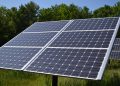
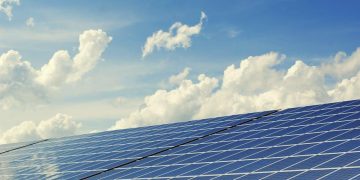



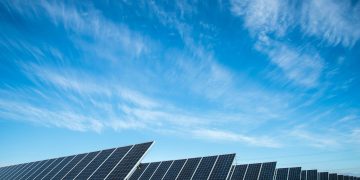
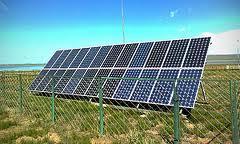
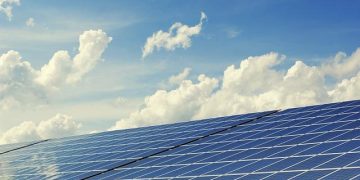

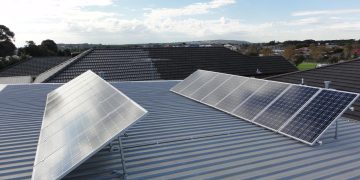
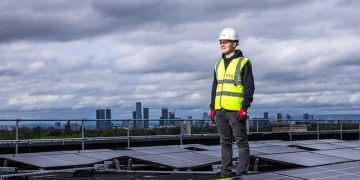
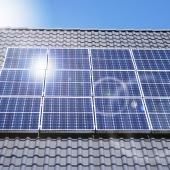




In a world increasingly powered by the sun, a new dawn of energy has emerged, casting its golden glow across fields and farmlands. As solar panels stretch their sleek surfaces toward the sky, soaking up rays to convert into renewable energy, they bring with them a complex question: Is the burgeoning push for solar farming inadvertently shading the fertile grounds of traditional agriculture? This article delves into the intersection of two essential needs—sustainable energy and food production—exploring whether the quest for greener power is planting seeds of change that might reduce the acreage of agricultural lands. As we navigate this evolving landscape, we aim to illuminate the balance between harnessing the sun’s potential and preserving the earth’s bounty.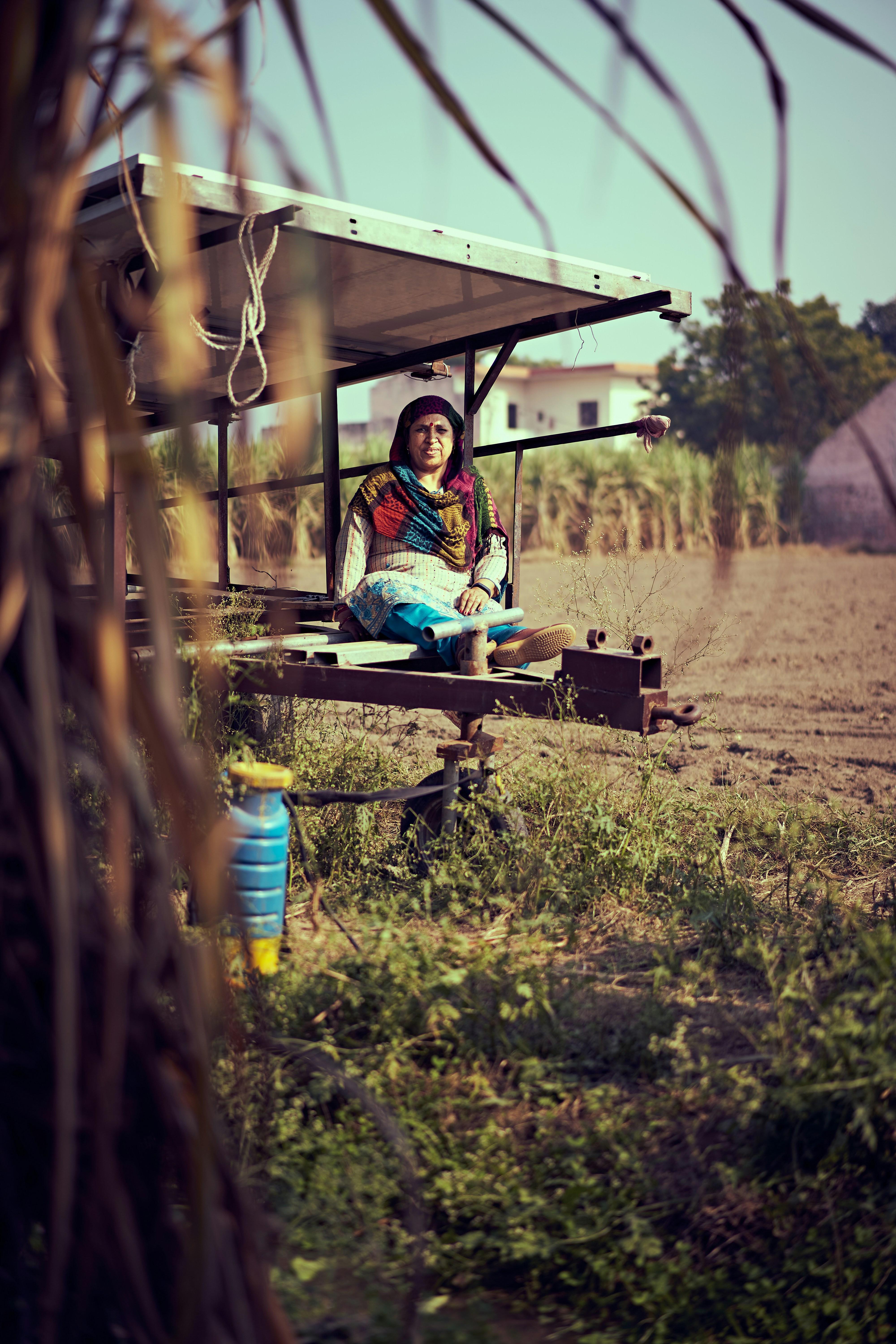
Balancing Sunlight and Soil: Navigating the Dual Demands of Solar and Agriculture
As the world increasingly embraces renewable energy, solar farms have sprouted across landscapes traditionally reserved for agriculture. This shift prompts a critical question: can the sun’s bounty serve both power and produce without compromising one for the other? The delicate art of balancing these two land uses requires innovative approaches and thoughtful planning. Agrivoltaics, a promising concept, offers a potential solution by integrating solar panels with crops, allowing for dual land use. This approach not only optimizes land efficiency but also provides shade for certain crops, potentially enhancing their growth and reducing water evaporation.
However, the practical implementation of such solutions is not without its challenges. Considerations include:
- Soil Quality: Ensuring the soil remains fertile and unimpacted by solar infrastructure.
- Sunlight Distribution: Designing panel layouts that allow sufficient light for photosynthesis while maximizing energy capture.
- Economic Viability: Balancing the financial returns of energy production against agricultural yields.
These factors underscore the need for policies that encourage sustainable coexistence, ensuring that the pursuit of clean energy doesn’t inadvertently overshadow the essential need for food production.
Evaluating Land Use: Analyzing the Impact of Solar Farms on Food Production
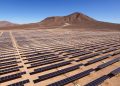
As solar farms continue to dot the landscape, questions about their impact on agricultural lands have become increasingly pertinent. While renewable energy is a pivotal component of sustainable development, it’s essential to examine how these sprawling arrays of photovoltaic panels might affect food production. Solar farms typically require vast expanses of land, which might otherwise be used for growing crops. The dilemma poses a unique challenge: how to balance the growing need for clean energy with the imperative of maintaining robust food systems. In regions where arable land is already scarce, this becomes a crucial consideration.
On the other hand, some argue that solar farms can coexist with agriculture through agrivoltaics, a system where solar panels are integrated into farming operations. This approach can offer dual benefits: shading sensitive crops and reducing water evaporation while still producing electricity. Key factors to evaluate include:
- Soil quality and climate: Can certain lands support both solar panels and specific crops?
- Economic incentives: Are farmers adequately compensated for hosting solar installations on their land?
- Technological advances: How can innovations in solar technology minimize land use and optimize efficiency?
Ultimately, the evaluation of land use in the context of solar farms and agriculture necessitates a nuanced approach, one that considers local conditions and future needs. Balancing these interests is crucial to ensure that the transition to renewable energy does not inadvertently compromise food security.

Harvesting Energy or Crops: Strategies for Harmonizing Solar and Agricultural Needs
In the quest to balance energy production with food security, innovative strategies are emerging that allow for the coexistence of solar installations and agricultural activities. Agri-photovoltaics (APV) is one such solution, where solar panels are strategically placed above crops, allowing farmers to harness the sun for both power and produce. This dual-use approach offers several benefits:
- Optimized Land Use: By elevating solar panels, the land can serve two purposes, maximizing the productivity of each acre.
- Microclimate Regulation: The shade from solar panels can reduce heat stress on plants and conserve soil moisture, potentially enhancing crop yields.
- Financial Diversification: Farmers can generate additional income through energy production, reducing reliance on crop sales alone.
While these systems present promising prospects, careful planning is required to ensure they are tailored to local conditions, crop types, and solar potential. By integrating technology and agriculture, APV could offer a harmonious solution that supports both energy and food needs without compromising one for the other.
Policy Pathways: Crafting Sustainable Solutions for Coexistence of Solar and Farmlands
Balancing the need for renewable energy with the preservation of agricultural lands is a delicate dance requiring innovative policy pathways. Integrating solar infrastructure with farmland can offer dual benefits, but it demands thoughtful strategies to ensure sustainable coexistence. One promising approach is the development of agrivoltaics, where solar panels are installed above crops, allowing both to thrive. This system can enhance water conservation and protect crops from extreme weather while generating clean energy.
To craft effective solutions, policymakers should focus on:
- Incentivizing farmers to adopt solar technologies by providing subsidies or tax breaks.
- Encouraging research into crop varieties that coexist well with solar installations.
- Developing zoning regulations that balance energy needs with agricultural preservation.
- Promoting community-based solar projects that involve local farmers in decision-making.
By forging these pathways, we can ensure that solar farming and agriculture not only coexist but also complement each other, paving the way for a sustainable future.
The Conclusion
As we stand at the crossroads of innovation and tradition, the dialogue between solar farming and agriculture invites us to rethink the landscapes that shape our lives. The sun, a timeless ally in both realms, illuminates not only our fields but also our possibilities. While solar panels rise from the earth, casting shadows over questions yet unanswered, the seeds of potential remain embedded in the soil beneath.
In this dance of energy and sustenance, balance becomes the choreographer. It calls upon us to listen closely to the rhythms of both nature and technology, ensuring that neither song is silenced. As we navigate this path, let us hold space for creativity and collaboration, where fields of green and arrays of blue coexist harmoniously. The future, much like a well-tended garden, requires patience, understanding, and a willingness to adapt.
So, as the sun sets on this exploration, we are left with a horizon full of possibilities. May we continue to cultivate discussions that honor both our roots and our reach, nurturing a world where solar farms and agricultural lands can grow together, side by side, under the same expansive sky.