

















In the dawning era of renewable energy, solar manufacturing hubs have emerged as the vibrant epicenters of a global transformation. These dynamic locales, scattered across continents, are not only redefining the landscape of energy production but are also fostering innovation, economic growth, and sustainability. From the sun-drenched deserts of the Middle East to the technologically advanced regions of East Asia, each hub tells a unique story of ambition, resilience, and the relentless pursuit of harnessing the sun’s boundless potential. As we journey through these solar sanctuaries, we will uncover the intricate tapestry of collaborations, technological advancements, and strategic initiatives that power this solar revolution. Welcome to a world where the sun never sets on innovation.
Rising Powerhouses Global Leaders in Solar Manufacturing
In recent years, several countries have emerged as dominant players in the global solar manufacturing landscape, driven by a mix of innovation, strategic investments, and supportive government policies. These nations have transformed into vibrant hubs of solar production, each contributing uniquely to the industry’s growth. China, for instance, stands out with its vast production capacity and aggressive investment in research and development, which has helped it maintain a leading position in solar panel manufacturing. India is rapidly catching up, leveraging its abundant sunlight and cost-effective labor to establish itself as a key player. Meanwhile, Germany continues to be a beacon of technological innovation, focusing on high-efficiency panels and advanced manufacturing techniques.
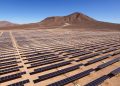
Other countries are also making significant strides in this sector. The United States is investing heavily in solar technologies, particularly in areas like thin-film solar cells and smart grid integration. South Korea is carving out a niche with its emphasis on sustainable production processes and energy storage solutions. Australia, blessed with ample sunlight, is investing in large-scale solar farms and export-oriented strategies. These countries, among others, are not just shaping the current landscape but are also setting the stage for the future of solar energy. Their collective efforts are pivotal in driving the transition towards a more sustainable global energy system.
Innovative Technologies Driving Solar Efficiency
With the global push towards renewable energy, several innovative technologies are making waves in enhancing the efficiency of solar power. These advancements are being embraced by manufacturing hubs around the globe, reshaping the landscape of solar energy production. One notable innovation is the development of perovskite solar cells, which are being integrated with traditional silicon cells to create tandem configurations that capture a broader spectrum of sunlight. This approach is rapidly gaining traction in regions like China and Europe, where research facilities and factories are dedicated to refining these cells for commercial viability.
- Bifacial Solar Panels: These panels capture sunlight on both sides, increasing energy yield without additional land space. They are increasingly popular in Middle Eastern solar farms, where sunlight reflects off sandy terrains.
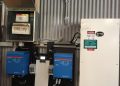
- Smart Inverters: These devices optimize the power output by adjusting to real-time conditions, reducing energy losses. American and German hubs are at the forefront of integrating these inverters into their solar systems.
- Floating Solar Farms: Utilized in countries like Japan and India, these installations not only save valuable land but also reduce water evaporation from reservoirs.

Sustainable Practices in Solar Production
As the global demand for renewable energy surges, the solar industry is adopting sustainable practices to minimize its environmental impact. Leading manufacturing hubs have integrated eco-friendly methods into their production processes, ensuring that the quest for green energy doesn’t compromise ecological integrity. Among these practices, several have become particularly notable:
- Recycling Initiatives: Many factories are implementing closed-loop systems that recycle silicon and other materials, reducing waste and conserving resources.
- Energy-Efficient Technologies: Advanced machinery and smart technologies are being employed to lower energy consumption during production.
- Water Conservation Efforts: Innovative water treatment and recycling systems are in place to cut down on water usage, a crucial step in areas facing water scarcity.
- Use of Renewable Energy: Solar production facilities are increasingly powered by renewable sources, such as wind and solar, to further lessen their carbon footprint.
- Ethical Sourcing: Ensuring that raw materials are sourced responsibly is a growing priority, with a focus on reducing social and environmental harm in supply chains.
These sustainable practices not only enhance the environmental credentials of solar manufacturing but also set a benchmark for industries worldwide, showcasing a harmonious balance between innovation and conservation.

Strategic Recommendations for Future Growth
In the rapidly evolving landscape of solar manufacturing, businesses must adopt forward-thinking strategies to ensure sustainable growth. One critical approach involves diversifying geographical presence. By establishing manufacturing hubs in regions with favorable government policies and abundant natural resources, companies can reduce production costs and enhance supply chain efficiency. For instance, locations with high solar insolation and supportive regulatory frameworks can serve as ideal sites for new facilities.
Another pivotal recommendation is to invest in cutting-edge technology and foster partnerships with local entities. This includes utilizing advanced automation techniques and AI-driven analytics to optimize production processes. Collaboration with regional research institutions can spur innovation and tailor solutions to specific market needs. Additionally, embracing a culture of continuous learning and skill development among the workforce will empower teams to adapt swiftly to industry changes. Emphasizing these strategies will position companies to capitalize on emerging opportunities and maintain a competitive edge in the global solar market.
Final Thoughts
As we reach the twilight of our exploration into , it becomes clear that these centers of innovation are more than just industrial sites; they are beacons of a sustainable future. From the bustling factories of China to the emerging facilities in Africa, each hub is a testament to human ingenuity and our collective commitment to harnessing the power of the sun. As technology advances and collaboration across borders strengthens, these solar sanctuaries will undoubtedly continue to evolve, illuminating pathways to energy independence and environmental stewardship. The sun, after all, rises for all, and with it, so too does the promise of a brighter, cleaner tomorrow.