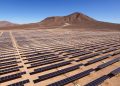










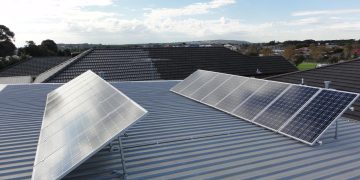



In a world increasingly powered by the sun, understanding the financial landscape of solar energy has never been more crucial. As solar panels gleam on rooftops from bustling cities to remote villages, the cost of harnessing this abundant resource varies significantly across the globe. Welcome to an exploration of the economic mosaic that is the . In this article, we will journey through continents and cultures, uncovering the intricate factors that influence solar pricing—from the bustling solar farms of North America to the innovative energy solutions in Asia, and the sun-drenched landscapes of Africa. By delving into this regional cost analysis, we aim to illuminate the path toward a more informed and accessible solar future for all.
Regional Variations in Solar Panel Pricing
The cost of solar panels can vary significantly across different regions due to a myriad of factors. Geographical location plays a crucial role, as areas with higher sun exposure often see lower prices due to increased competition among suppliers. Additionally, local government policies and incentives can either alleviate or exacerbate costs. For instance, states with generous tax credits or rebates may offer more competitive pricing compared to regions where such incentives are minimal or non-existent.
- Installation Costs: Labor rates fluctuate depending on the local economy and the availability of skilled technicians.
- Supply Chain Dynamics: Proximity to manufacturing hubs can reduce transportation costs, affecting the overall price.
- Market Demand: In regions where renewable energy adoption is high, increased demand can drive prices down due to economies of scale.
Understanding these regional differences is crucial for consumers looking to make informed decisions about their solar investments. By exploring local market conditions, potential solar adopters can better navigate the landscape and optimize their savings.
Analyzing Cost Factors in Different Geographical Areas
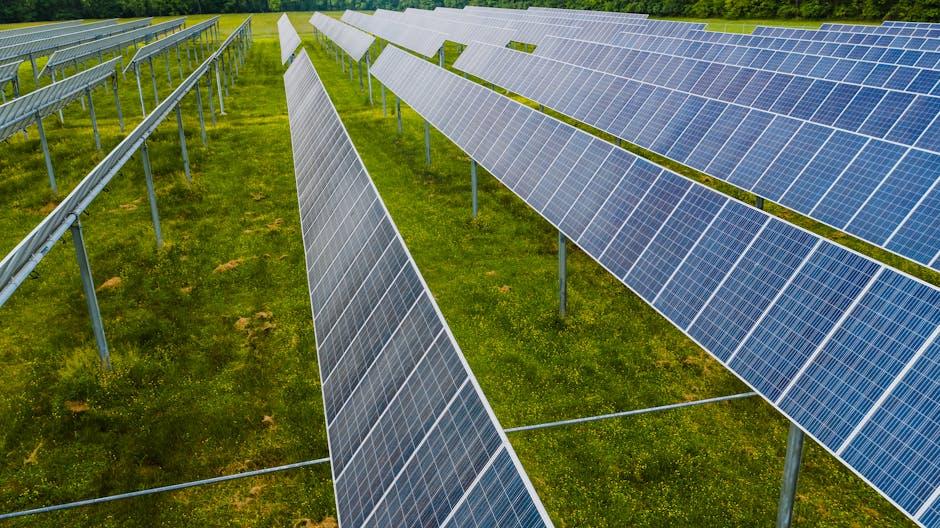
Understanding the intricacies of solar panel costs requires a deep dive into the various geographical factors that influence pricing. From regional climate conditions to local government incentives, each area presents its own unique set of challenges and opportunities. Labor costs and installation fees can vary significantly depending on the local economy and availability of skilled professionals. Furthermore, the availability of solar resources—how much sunlight an area typically receives—plays a crucial role in determining both the efficiency and the return on investment for solar panels.
- Government Policies and Incentives: Different regions offer varying levels of support, which can drastically affect the overall cost.
- Climate Conditions: Areas with more sunlight can lead to higher efficiency and potentially lower costs over time.
- Supply Chain and Material Costs: Proximity to manufacturing centers or ports can influence the price of materials and components.
- Local Labor Costs: The availability and cost of skilled labor can vary, affecting installation prices.
These factors, among others, create a complex web of cost determinants that make solar panel pricing a highly localized issue. By understanding these regional differences, potential buyers can make more informed decisions tailored to their specific needs and circumstances.
Detailed Insights into Installation and Maintenance Expenses
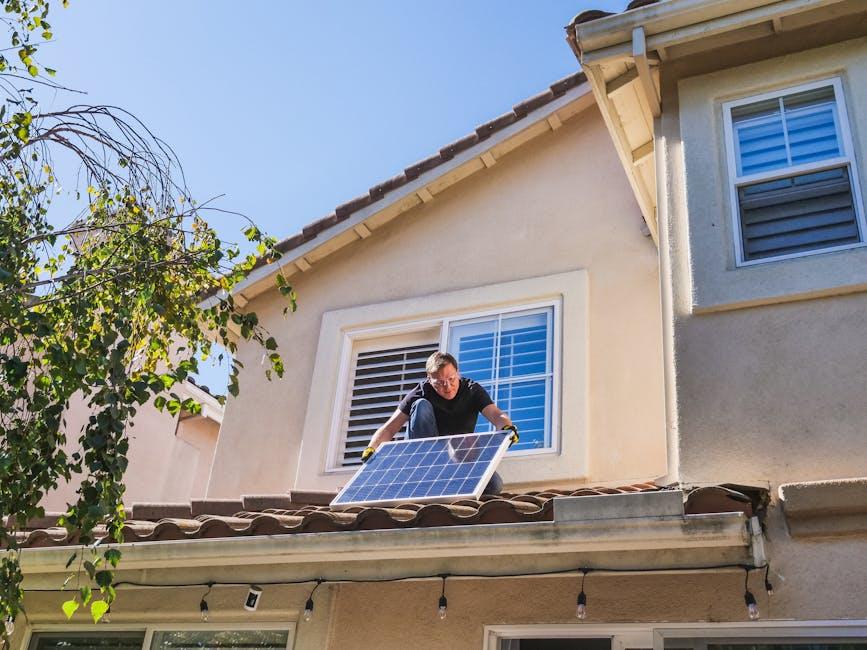
The intricacies of installing solar panels can vary significantly depending on the region, influencing both initial and ongoing costs. Installation expenses often encompass more than just the panels themselves; they include mounting equipment, inverters, wiring, and labor. In regions with ample sunlight, like the Southwestern United States, there’s a higher demand, leading to economies of scale that can reduce costs. However, in less sunny areas, specialized equipment might be needed to maximize efficiency, potentially increasing expenses.
When it comes to maintenance costs, these too can fluctuate regionally. Areas with frequent storms or heavy snowfall may require more regular inspections and cleaning to ensure optimal performance. Additionally, the local cost of labor and the availability of qualified technicians can greatly impact maintenance expenses. In contrast, regions with mild weather and a robust solar industry might benefit from competitive service pricing. To better understand these regional differences, consider the following factors:
- Climate Conditions: Frequent extreme weather can increase maintenance needs.
- Local Regulations: Incentives and rebates may offset some installation costs.
- Market Competition: More providers can lead to competitive pricing.
Tailored Recommendations for Maximizing Solar Investment
Investing in solar energy is a smart move, but optimizing your returns requires strategic planning tailored to your region’s unique characteristics. Here are some key factors to consider for enhancing your solar investment:
- Local Climate: Areas with more sunshine naturally yield higher energy production. In sunny regions, consider higher efficiency panels to capitalize on the abundant sunlight.
- Incentive Programs: Research regional and local incentives that can significantly reduce upfront costs. States like California and New York offer substantial rebates and tax credits.
- Energy Costs: Higher electricity rates make solar savings more pronounced. In regions with elevated utility costs, the return on investment can be faster.
- Installation and Maintenance: Labor costs can vary widely. In areas with higher costs, investing in durable, low-maintenance panels can reduce long-term expenses.
- Grid Connection: Some regions offer attractive net metering programs, allowing you to sell excess energy back to the grid, enhancing your financial returns.
By tailoring your solar strategy to these regional nuances, you can maximize both your energy savings and the environmental benefits of your investment.
To Wrap It Up
As the sun sets on our exploration of solar panel costs across various regions, it’s clear that the path to harnessing solar energy is as diverse as the landscapes it illuminates. From the sun-drenched rooftops of the Southwest to the innovative urban installations of the Northeast, each region tells its own story of progress and potential. While the financial factors may vary, the universal drive towards sustainability unites us all in this solar journey. As we look to the horizon, may the insights gained here empower you to make informed decisions, sparking a brighter, more sustainable future for every corner of the globe.