




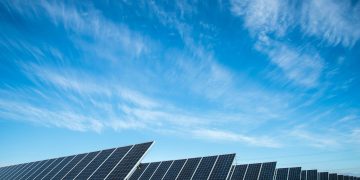





In the quest for sustainable living and reduced energy bills, solar panels have emerged as a beacon of hope for many homeowners. Gleaming on rooftops, they promise a future powered by the sun’s abundant energy. Yet, beneath the shiny surface lies a complex web of financial agreements that can ensnare the unwary. At the heart of this intricate web is the solar lease—a seemingly straightforward option that allows homeowners to enjoy solar energy without the upfront costs of purchasing the panels. But does this appealing arrangement come with hidden strings attached? As we delve into the realm of solar leases, we explore whether these contracts are a wise investment in a greener future or a financial trap that binds homeowners to long-term costs. Join us as we unravel the nuances of solar leasing and its implications for those seeking to harness the sun’s power.
Understanding the Fine Print: Navigating Solar Lease Agreements
When considering a solar lease, homeowners often encounter a maze of terms and conditions that can be both daunting and perplexing. These agreements typically span 20 to 25 years, locking homeowners into long-term commitments. While the promise of clean energy and potential savings can be alluring, it’s crucial to scrutinize the fine print to avoid unexpected financial pitfalls.
Some key elements to watch for include:
- Escalation Clauses: Many leases include annual rate increases, which can erode anticipated savings over time.
- Maintenance Responsibilities: Understand who is responsible for system upkeep and potential repair costs.
- Transferability: If you sell your home, can the lease be transferred to the new owner without complications?
- End-of-Term Options: Clarify whether you have the option to purchase the system, extend the lease, or require its removal.
By paying attention to these details, homeowners can make informed decisions, balancing the benefits of solar energy against the long-term commitments and costs embedded in these agreements.
Unveiling Hidden Expenses: The True Cost of Solar Leasing
When considering solar leasing, it’s essential to look beyond the enticing promise of reduced energy bills. Many homeowners are unaware of the hidden expenses that can accompany these agreements. Here are some costs that often lurk in the fine print:
- Escalation Clauses: Many leases include annual rate increases, meaning your payments could rise significantly over time.
- Maintenance Fees: While some contracts promise free maintenance, others might charge for repairs and system checks.
- Transfer Fees: If you decide to sell your home, transferring the lease to the new owner can incur additional charges.
- End-of-Lease Costs: At the end of the lease, homeowners might face fees to remove the panels or purchase the system at a premium.
Understanding these potential costs is crucial for homeowners to avoid being trapped in long-term financial commitments that outweigh the benefits of solar energy savings.

Comparing Solar Options: Lease vs. Purchase for Homeowners
When deciding between leasing or purchasing solar panels, homeowners are often confronted with a dilemma that resembles choosing between renting or buying a home. Leasing solar panels can be an attractive option for those who want to reduce their electricity bills without a significant upfront investment. This arrangement typically involves a third-party company that installs and maintains the panels, while the homeowner pays a monthly fee. However, leasing can sometimes feel like a double-edged sword. Although it provides immediate access to solar energy, homeowners might find themselves tied to long-term contracts with escalating costs, potentially complicating future home sales.
- Low Initial Cost: Leasing often requires little to no money down, making solar energy more accessible.
- Maintenance-Free: The leasing company usually handles maintenance and repairs.
- Potential Cost Escalation: Lease agreements may include annual price increases.
- Transfer Complications: Selling a home with leased panels can be more complex, as the lease must be transferred to the new owner.
On the other hand, purchasing solar panels is akin to buying a property. It demands a larger initial investment but offers the benefit of ownership and potential financial incentives like tax credits and rebates. Homeowners who purchase can often see a higher return on investment over time, as they are not subject to the same contractual obligations and can enjoy full energy savings once the system is paid off.
Expert Tips for Homeowners: Avoiding Common Solar Leasing Pitfalls
Solar leasing can be a viable option for those looking to harness solar energy without the upfront costs of purchasing a system. However, it’s crucial to be aware of potential pitfalls that could impact your financial future. Here are some expert tips to help you navigate the leasing landscape:
- Read the Fine Print: Leasing agreements often come with complex terms. Ensure you understand the escalation clauses that may increase your payments over time and any potential fees for maintenance or repairs.
- Assess the Length of the Lease: Many leases span 20 years or more. Consider how this long-term commitment aligns with your future plans, especially if you anticipate selling your home before the lease expires.
- Evaluate Transferability: If you decide to sell your home, determine whether the lease is transferable to the new owner. A lease that is difficult to transfer can complicate the sale process and potentially lower your home’s marketability.
By staying informed and asking the right questions, you can avoid common leasing pitfalls and make a decision that supports your financial and environmental goals.
In Retrospect
As we close the chapter on our exploration of solar leases and their potential to entangle homeowners in enduring financial commitments, it’s clear that the sunniest of solutions may come with a shadow. While solar energy promises a greener tomorrow and a reduced carbon footprint, the fine print of leasing agreements requires careful consideration. Each household’s journey towards sustainable energy is unique, and understanding the intricate dance between cost, commitment, and environmental stewardship is crucial. Whether solar leases are a trap or a triumph ultimately hinges on informed decision-making. As we continue to seek out innovative pathways to harness the power of the sun, let us tread thoughtfully, ensuring that our steps towards sustainability are both enlightened and empowered.