















In the dynamic landscape of energy consumption, the age-old battle between traditional energy sources and emerging renewable alternatives has taken center stage. As the sun rises on a new era of power generation, businesses are increasingly caught in a tug-of-war between the tried-and-true methods of fossil fuels and the alluring promise of commercial solar energy. Both options illuminate the path to keeping the lights on, but which one truly shines in the realm of cost savings? In this article, we delve into the intricacies of commercial solar versus traditional energy, shedding light on the financial implications and potential savings each brings to the table. Whether you’re a business owner weighing your options or simply an observer of the energy evolution, join us as we explore this electrifying debate and uncover which energy source emerges as the champion of cost efficiency.
Understanding the Financial Dynamics of Solar and Traditional Energy
In today’s evolving energy landscape, businesses are increasingly weighing the cost implications of adopting solar energy against sticking with traditional energy sources. A primary factor driving this shift is the potential for substantial cost savings. Solar energy systems, once installed, offer predictable and often lower operational costs compared to the fluctuating expenses associated with fossil fuels. These savings are further amplified by government incentives and tax credits that make solar investments more attractive.
However, the financial dynamics are not entirely one-sided. Considerations for initial capital outlay, maintenance costs, and energy storage solutions play a crucial role in decision-making. Here’s a closer look at some of the financial elements businesses need to consider:
- Initial Investment: Solar installations require significant upfront capital, though costs have been decreasing.
- Operational Costs: Traditional energy often incurs ongoing fuel and maintenance expenses.
- Long-term Savings: Solar can offer greater savings over time, particularly with net metering benefits.
- Incentives: Solar installations can benefit from federal and local tax credits.

Evaluating Long-term Savings and Initial Investments
When considering the switch to commercial solar energy, it’s essential to weigh the long-term savings against the initial investment. Traditional energy systems might appear less costly at the outset, but they come with a range of ongoing expenses that can add up over time. With solar, the primary financial hurdle is the upfront cost, which can be substantial. However, once the system is installed, businesses can benefit from significantly reduced energy bills, often seeing a return on investment in as little as five to seven years.
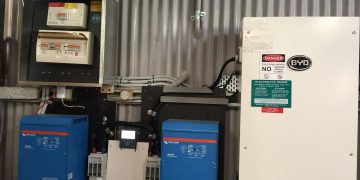
- Upfront Costs: Solar installations require a significant initial outlay, covering panels, inverters, and installation services. However, various incentives and tax credits can help offset these costs.
- Maintenance Costs: Traditional energy systems require regular maintenance and can be subject to fluctuating fuel prices. Solar systems, on the other hand, have minimal maintenance needs, primarily involving occasional cleaning and inspections.
- Energy Independence: By investing in solar, businesses can gain a degree of energy independence, protecting themselves from volatile energy markets and potential price hikes.
- Long-term Savings: Over time, solar energy can lead to substantial savings, often allowing businesses to redirect funds toward growth and innovation.

Key Factors Influencing Cost Efficiency in Energy Choices
When evaluating the financial viability of commercial solar versus traditional energy sources, several pivotal elements come into play. Firstly, installation and maintenance costs can significantly impact long-term savings. Solar panels often entail a higher initial investment, yet they promise reduced maintenance expenses over time compared to the fluctuating costs associated with fossil fuels.
Additionally, consider the influence of government incentives and subsidies. These can dramatically sway the cost-effectiveness of solar energy, making it a more attractive option in regions where such benefits are robust. On the flip side, the volatility of fuel prices tied to traditional energy sources can lead to unpredictable energy costs. Lastly, energy efficiency advancements and the potential for energy independence are crucial, as they contribute to lower operational costs and a more stable energy budget.

Strategic Recommendations for Maximizing Energy Cost Benefits
In the pursuit of maximizing energy cost benefits, businesses can adopt a range of strategic approaches to effectively integrate solar energy solutions with existing systems. Here are some key recommendations:
- Hybrid Systems: Consider installing a hybrid system that combines solar panels with traditional energy sources. This approach allows businesses to harness the cost-saving potential of solar energy during peak sunlight hours, while still relying on conventional power when solar output is low.
- Energy Audits: Conduct thorough energy audits to identify inefficiencies in your current energy usage. This will help tailor the solar installation to the specific needs of the business, ensuring maximum return on investment.
- Incentive Programs: Take advantage of government and local incentive programs that offer rebates and tax credits for solar installations. These incentives can significantly reduce the initial investment costs, enhancing the financial benefits of switching to solar energy.
By adopting these strategic recommendations, businesses can not only optimize their energy expenditure but also contribute to a more sustainable future. This balanced approach leverages the strengths of both solar and traditional energy systems, creating a harmonious and cost-effective energy solution.
Key Takeaways
As the sun sets on our exploration of commercial solar versus traditional energy, the landscape of cost savings reveals a complex yet promising horizon. Each path, illuminated by its own merits and challenges, offers unique opportunities for businesses striving to balance financial prudence with environmental responsibility. Whether harnessing the abundant power of the sun or relying on the established infrastructure of traditional energy, the decision ultimately lies in aligning with one’s strategic goals and values. As innovation continues to drive the energy sector forward, the dialogue between sustainability and economic viability will remain pivotal. In this ever-evolving narrative, the true victor in cost savings may well be the informed choice, guided by insight, foresight, and a commitment to a brighter, more sustainable future.