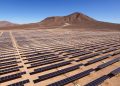





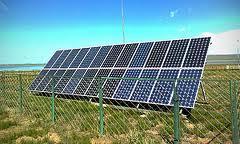



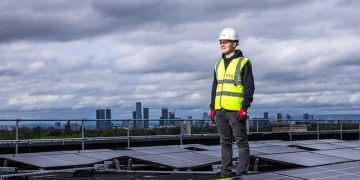





In the dawn of a new era where sustainability meets innovation, solar energy emerges as a beacon of promise for the industrial sector. As the world grapples with the pressing need to reduce carbon footprints and embrace renewable resources, the seamless integration of solar energy into industrial applications stands as a transformative force. This harmonious blend of technology and nature not only illuminates factories and powers machinery but also reshapes the landscape of industrial operations. From towering solar panels basking in the sun to cutting-edge photovoltaic systems embedded in the very fabric of industrial infrastructure, the journey towards a cleaner, greener future is underway. This article delves into the intricate dance of solar energy and industry, exploring how harnessing the power of the sun is revolutionizing manufacturing processes, enhancing efficiency, and setting new benchmarks for sustainability in the industrial world.
Harnessing the Sun: Transforming Industrial Landscapes with Solar Solutions
In the quest for sustainability, industries are increasingly looking to the sky, embracing the vast potential of solar energy to power their operations. By integrating solar solutions, businesses are not only reducing their carbon footprint but also reaping economic benefits. Solar energy integration allows for a seamless transition from traditional power sources, offering reliability and cost-effectiveness. With advancements in technology, industries can now tailor solar installations to their specific needs, ensuring maximum efficiency and output. This transformation goes beyond simple electricity generation; it is about redefining industrial landscapes to create a harmonious balance between production and environmental stewardship.
- Cost Savings: Reduced energy bills and decreased reliance on fluctuating fossil fuel prices.
- Energy Independence: Empowering industries to generate their own power, reducing dependency on external sources.
- Environmental Impact: Significantly lower greenhouse gas emissions and a smaller carbon footprint.
- Innovation and Growth: Encouraging technological advancements and opening avenues for new business opportunities.
Innovative Approaches to Overcoming Solar Integration Challenges
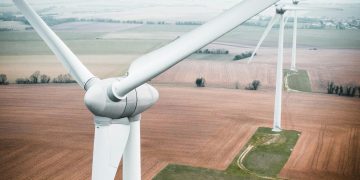
As industries worldwide increasingly shift towards sustainable energy solutions, integrating solar energy into their operations presents both opportunities and challenges. One innovative approach to addressing these challenges is the use of hybrid solar systems. These systems combine photovoltaic panels with other renewable sources like wind or biomass, ensuring a more stable and continuous energy supply. By balancing the intermittency of solar power with other renewables, industries can maintain their operations without disruptions.
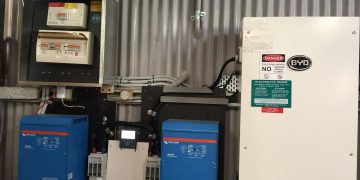
Another promising strategy is the adoption of advanced energy storage solutions. Modern storage technologies, such as lithium-ion and flow batteries, allow industries to store excess solar energy generated during peak sunlight hours for use during periods of low solar activity. Additionally, industries can leverage smart grid technologies to optimize energy distribution and consumption. This involves using sensors and AI-driven analytics to monitor energy use in real-time, ensuring that solar energy is utilized efficiently and effectively. The integration of these technologies not only enhances energy reliability but also supports industries in reducing their carbon footprint.
- Hybrid solar systems
- Advanced energy storage solutions
- Smart grid technologies

Maximizing Efficiency: Best Practices for Industrial Solar Energy Use
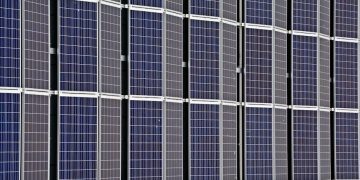
In the quest for increased productivity and sustainability, industries are turning to solar energy to power their operations. To fully capitalize on this shift, it is crucial to adopt best practices that ensure maximum efficiency. First and foremost, conducting a thorough energy audit is vital. This audit helps identify the most energy-intensive processes and determine where solar integration can yield the greatest benefits. Furthermore, investing in advanced solar technologies such as bifacial solar panels and energy storage systems can significantly enhance energy capture and utilization.
Additionally, regular maintenance and monitoring are essential to keep the solar systems operating at peak performance. Key practices include:
- Implementing real-time data analytics to track energy production and consumption.
- Ensuring proper alignment and cleaning of solar panels to avoid energy losses.
- Utilizing smart grid technologies to optimize energy distribution and reduce waste.
By adhering to these strategies, industries can not only improve their energy efficiency but also reduce their carbon footprint, paving the way for a more sustainable future.

Paving the Way for a Sustainable Future in Industrial Sectors
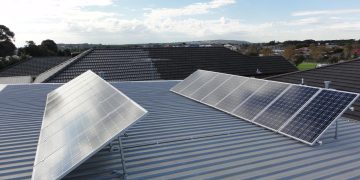
Incorporating solar energy into industrial operations is not just a visionary concept; it’s a practical step towards sustainable growth. Industrial sectors are now witnessing a paradigm shift as they embrace the sun’s power to reduce carbon footprints and energy costs. Solar panels are being strategically installed on factory rooftops and sprawling industrial parks, harnessing natural light to fuel production processes. Renewable energy is not only reducing dependency on fossil fuels but also providing a reliable energy source that can stabilize fluctuating electricity costs.
- Cost Efficiency: Initial investments in solar infrastructure are offset by long-term savings on energy bills.
- Energy Independence: Reduces reliance on grid electricity, offering a buffer against energy market volatility.
- Environmental Impact: Significantly cuts down on greenhouse gas emissions, aligning with global sustainability goals.
Moreover, industries are integrating solar power with innovative technologies such as smart grids and energy storage systems. This integration allows for the seamless distribution and utilization of solar energy, ensuring that even on cloudy days, operations remain unaffected. As industries continue to innovate, solar energy stands out as a beacon of sustainable progress, driving the future of industrial applications toward a greener horizon.
Final Thoughts
As the sun dips below the horizon, casting its golden glow across the industrial landscapes, we find ourselves standing at the dawn of a new era. Solar energy, once merely a beacon of hope, has now seamlessly woven itself into the fabric of industrial applications, illuminating pathways to sustainable growth and innovation. As industries harness this boundless energy, they not only redefine their operational efficiencies but also contribute to a cleaner, greener planet. The journey of integrating solar power into industrial realms is still unfolding, with each step bringing us closer to a future where the sun’s rays power our ambitions and dreams. Let us embrace this radiant transformation, as we collectively tread towards a brighter, more sustainable tomorrow.