



















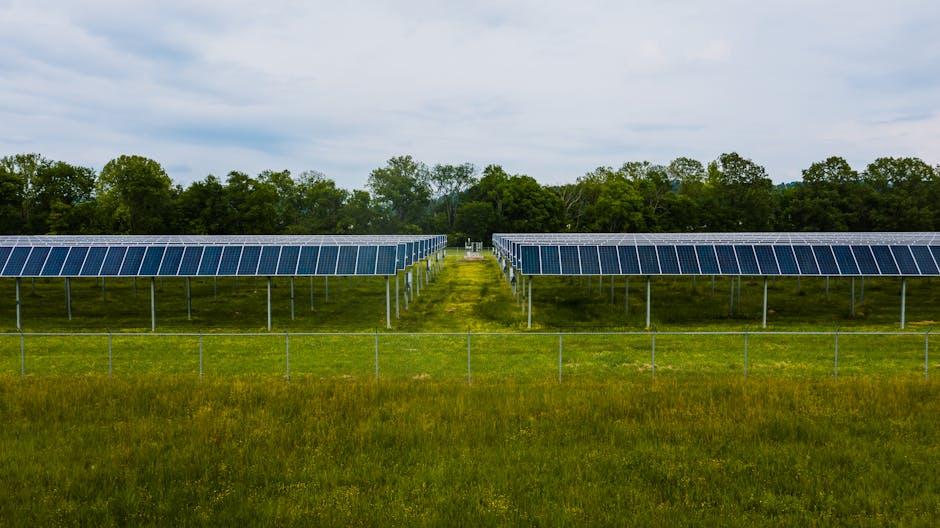
In a world increasingly illuminated by the promise of renewable energy, solar power stands as a beacon of hope, transforming the way we perceive and consume electricity. As the sun rises each day, it not only brightens our skies but also fuels a quiet revolution in energy savings. Yet, beneath the radiant glow of solar panels, a pressing question emerges: how much does solar energy truly save annually? This article delves into the financial and environmental impacts of harnessing sunlight, exploring the tangible benefits that come with embracing this sustainable energy source. Join us as we uncover the intricate dance of photons and economics, revealing the true cost-saving potential that solar energy brings to households and businesses alike.
Calculating Your Solar Savings Understanding Annual Cost Reductions
When it comes to harnessing the power of the sun, understanding how much you can save annually with solar energy involves diving into a few key factors. First, consider your current energy consumption and how much of it can be offset by solar power. Most homeowners can expect a significant reduction in their electricity bills, often by 50% or more. The exact amount depends on your location, the size of your solar system, and your typical energy usage patterns.
Here are some important points to consider when calculating your solar savings:
- Location: The amount of sunlight your area receives plays a crucial role in potential savings.
- System Size: Larger systems capture more energy, leading to higher savings.
- Energy Rates: High electricity rates increase the potential for cost reductions.
- Incentives: Take advantage of tax credits and rebates that can lower installation costs.
By taking these factors into account, you can better estimate the financial benefits of going solar, ultimately making an informed decision about your energy future.

Breaking Down the Benefits How Solar Energy Impacts Your Wallet
When considering the financial impact of solar energy, it’s important to look beyond the initial investment. The annual savings can be substantial, depending on a variety of factors such as location, energy consumption, and local electricity rates. Here are some key ways solar energy can positively affect your wallet:
- Reduced Electricity Bills: By generating your own electricity, you can significantly lower your monthly utility bills. In many cases, homeowners report savings of up to 50% or more on their electricity costs.
- Tax Incentives and Rebates: Many regions offer tax credits and incentives to encourage the adoption of solar technology. These can dramatically reduce the upfront costs and enhance your overall savings.
- Increased Home Value: Properties equipped with solar panels often see an increase in market value, making it a wise investment if you plan to sell in the future.
- Low Maintenance Costs: Solar systems generally require minimal maintenance, translating to lower long-term expenses compared to traditional energy sources.
By tapping into these financial advantages, solar energy doesn’t just promise environmental benefits but also offers a compelling case for economic savings.
Expert Insights Into Solar Payback Maximizing Financial Returns
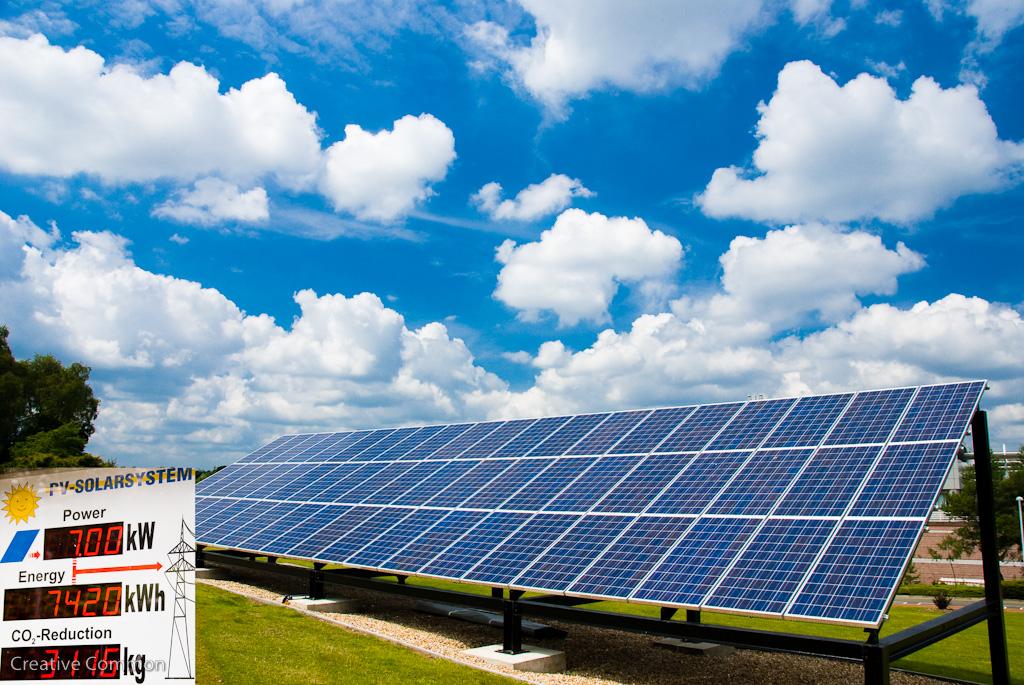
Understanding the financial benefits of solar energy can empower homeowners and businesses to make informed decisions. A key component of maximizing financial returns is identifying the various factors that influence solar payback. These include the initial installation cost, available government incentives, energy consumption patterns, and local electricity rates. To optimize savings, it’s crucial to tailor your solar system to your specific needs and conditions. A well-designed system not only reduces reliance on grid electricity but also enhances overall energy efficiency.
Consider the following strategies to boost your solar investment:
- Utilize Incentives: Take advantage of federal, state, and local tax credits or rebates to lower upfront costs.
- Monitor Usage: Implement energy-efficient practices and smart home technologies to decrease consumption and increase surplus energy.
- Choose the Right Equipment: Invest in high-quality solar panels and inverters to ensure long-term performance and reliability.
- Regular Maintenance: Schedule periodic maintenance checks to keep the system running optimally and prevent potential issues.
By focusing on these aspects, you can significantly enhance the annual savings from solar energy, achieving a faster return on investment and contributing to a sustainable future.

Recommendations for Optimal Savings Strategies for Reducing Energy Costs
Implementing solar energy solutions can significantly decrease your energy expenses over time. Start by analyzing your current energy consumption to identify areas where solar power can make the most impact. By installing solar panels, many households can offset a substantial portion of their electricity bills. This renewable energy source harnesses the power of the sun, which is not only sustainable but also free once you have the initial setup. Consider these strategies for maximizing your savings:
- Optimize Panel Placement: Ensure your solar panels are positioned to receive maximum sunlight throughout the day.
- Monitor Energy Usage: Track your energy consumption patterns to better align them with peak solar production times.
- Utilize Energy-Efficient Appliances: Pair solar energy with appliances that consume less power to further reduce costs.
- Explore Net Metering: Take advantage of net metering programs that allow you to sell excess energy back to the grid.
Incorporating these strategies not only contributes to reducing your carbon footprint but also results in substantial financial savings. While initial costs might be daunting, the long-term benefits and potential annual savings make solar energy a wise investment for homeowners seeking to cut down on energy costs.
Concluding Remarks
As we draw the curtains on our exploration of solar energy savings, it becomes evident that the sun’s generosity extends far beyond its warming rays. While the numbers may vary based on geography, technology, and individual usage, the overarching narrative is clear: solar energy offers a substantial opportunity for annual savings. It invites us to reimagine our relationship with power, not just as consumers, but as stewards of a more sustainable future. In harnessing the sun’s power, we not only illuminate our homes but also light the path towards financial prudence and environmental responsibility. As we stand at this crossroad of innovation and tradition, the choice is ours to make—a choice that could redefine the very fabric of our energy landscape. So, as the sun dips below the horizon, casting its final glow on our discourse, one question remains: How much are you ready to save?