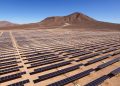
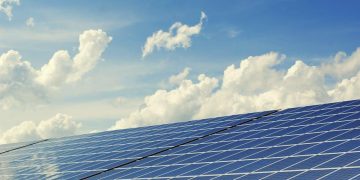


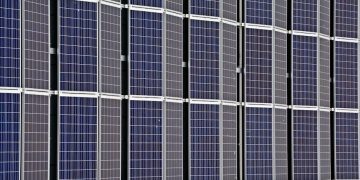
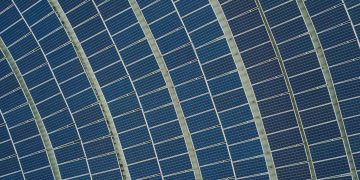


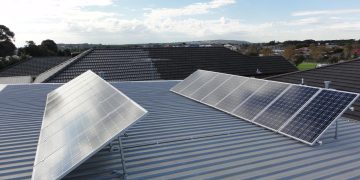
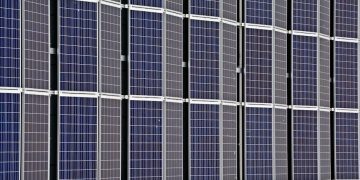



In a world increasingly powered by the sun, solar tracking systems are emerging as unsung heroes, quietly revolutionizing the way we harness solar energy. Imagine fields of solar panels, not static and fixed, but instead dynamically following the sun’s path across the sky, like a field of metallic sunflowers. These sophisticated systems, equipped with sensors and precision engineering, optimize the angle of solar panels throughout the day, capturing every available ray of sunlight. As global energy demands soar and the push for sustainable solutions intensifies, solar tracking systems are stepping into the spotlight, enhancing energy output and efficiency. This article delves into the innovative technology behind solar tracking systems and explores how they are significantly boosting energy yields, offering a glimpse into a future where solar power could be a cornerstone of our energy landscape.
Harnessing the Suns Full Potential: The Mechanics of Solar Tracking
Solar tracking systems are ingenious innovations designed to optimize the angle at which solar panels are exposed to sunlight throughout the day. Unlike fixed installations, these dynamic systems follow the sun’s path, ensuring that the solar panels are always positioned for maximum light absorption. The mechanics behind these systems involve advanced technologies, such as:
- Single-axis tracking: Allows the panels to tilt along one axis, typically east to west, capturing more sunlight as the day progresses.
- Dual-axis tracking: Provides even greater efficiency by adjusting both the horizontal and vertical angles, ideal for capturing sunlight during any season or time of day.
By implementing solar tracking, energy output can be increased by up to 25-35% compared to traditional fixed systems. This boost is a game-changer for both residential and commercial installations, offering a more sustainable and cost-effective solution to harnessing solar energy.
Unveiling the Benefits: How Solar Tracking Enhances Efficiency
Solar tracking systems are revolutionizing the way solar panels harness sunlight by dynamically adjusting their orientation to follow the sun’s path across the sky. This innovative technology ensures that solar panels are always positioned at the optimal angle to capture maximum sunlight throughout the day. As a result, solar tracking can significantly enhance energy production, leading to a more efficient and reliable renewable energy source.
- Increased Energy Output: By keeping solar panels aligned with the sun, tracking systems can boost energy output by up to 25-35% compared to fixed-tilt systems.
- Maximized Sunlight Exposure: Trackers adjust in real-time, allowing for consistent energy capture even during cloudy conditions or at lower sun angles.
- Optimized Space Utilization: With improved efficiency, solar installations require less space to achieve the same energy production, making them ideal for areas with limited land availability.

Choosing the Right System: Tailored Solutions for Maximum Output
When it comes to maximizing energy output from solar panels, selecting the appropriate system is crucial. Solar tracking systems, which adjust the angle of solar panels to follow the sun’s path, can significantly enhance energy production. These systems are tailored to specific needs, providing a bespoke solution for both residential and commercial applications. Here are some key considerations to ensure you’re choosing the right system:
- Single-Axis vs. Dual-Axis: Single-axis trackers adjust only one direction, typically east to west, while dual-axis trackers follow both the sun’s elevation and azimuth, offering increased efficiency.
- Location and Climate: In regions with high solar insolation, single-axis trackers might suffice, whereas areas with variable sunlight may benefit more from dual-axis systems.
- Budget Constraints: While dual-axis trackers provide more energy, they also come with higher costs. Assessing your budget will help in making an informed decision.
- Maintenance and Durability: Consider systems that offer ease of maintenance and are built to withstand local weather conditions for long-term performance.
By aligning your choice with these factors, you can optimize your solar investment for maximum energy output, ensuring both sustainability and efficiency.

Future Trends: Innovations in Solar Tracking Technology
The solar energy landscape is undergoing a transformation with the advent of groundbreaking innovations in tracking technology. As the demand for efficient and sustainable energy sources increases, solar tracking systems are stepping up their game to meet these needs. These systems are designed to follow the sun’s trajectory, optimizing the angle of solar panels throughout the day to maximize energy capture. Recent developments in this field are particularly exciting, as they incorporate cutting-edge technologies to enhance performance and adaptability.
- AI-Powered Optimization: Artificial intelligence algorithms are now being integrated to predict weather patterns and adjust panel positions accordingly, ensuring optimal energy absorption even on cloudy days.
- Dual-Axis Tracking: Unlike traditional single-axis systems, dual-axis trackers can rotate on both horizontal and vertical axes, capturing more sunlight and boosting energy output by up to 40%.
- IoT Connectivity: Internet of Things (IoT) devices allow for real-time monitoring and maintenance, reducing downtime and increasing overall efficiency.
- Hybrid Systems: Innovations in hybrid systems combine solar tracking with other renewable technologies, such as wind or geothermal, to create a more resilient and reliable energy network.
The Conclusion
As the sun dips below the horizon, painting the sky in hues of orange and pink, the silent sentinels of solar tracking systems stand poised for another day of harnessing the sun’s power. These marvels of modern engineering, with their graceful movements and relentless pursuit of efficiency, are not just technological advancements; they are symbols of a brighter, more sustainable future. By boosting energy output, solar trackers are reshaping our approach to renewable energy, ensuring that every ray of sunlight is captured and utilized to its fullest potential. As we continue to innovate and refine these systems, the promise of a world powered by clean, abundant energy draws ever closer. it’s not just about following the sun; it’s about leading the way to a new era of energy.