







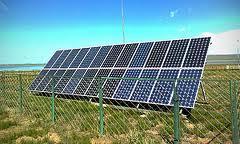




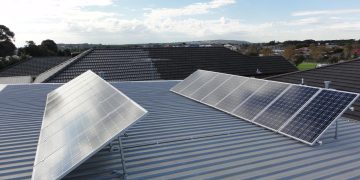





In the heart of rural landscapes, where the horizon stretches wide and unbroken, a quiet revolution is unfolding. This revolution doesn’t announce itself with fanfare or flourish, but rather with the subtle hum of solar panels soaking up the sun’s generous rays. In these remote areas, where the grip of energy poverty has long cast its shadow, solar technology emerges as a beacon of hope, illuminating pathways to economic growth, improved health, and educational opportunities. As sunlight transforms into sustainable energy, communities once sidelined by traditional power grids are discovering newfound autonomy and potential. This article explores how solar panels are not just capturing sunlight, but are also capturing the essence of empowerment, redefining what it means to thrive in rural expanses.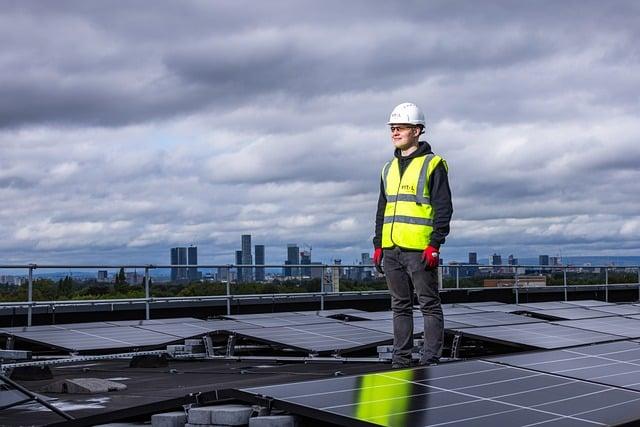
Harnessing the Sun: Empowering Rural Communities
In many rural areas, the introduction of solar panels is transforming the energy landscape by providing a sustainable and reliable power source. This shift is crucial in reducing energy poverty, where communities often face limited access to electricity or rely on costly and environmentally harmful fuels. Solar panels offer a cost-effective and environmentally friendly alternative, making electricity more accessible to those who need it most. The benefits extend beyond mere illumination; they empower communities to thrive economically and socially.
- Educational Opportunities: With consistent electricity, schools can operate efficiently, enabling evening classes and access to digital learning resources.
- Health Improvements: Health clinics can maintain refrigeration for vaccines and medicines, and operate essential equipment without interruptions.
- Economic Growth: Small businesses can extend their working hours, increasing productivity and income potential.
- Environmental Impact: Reduced reliance on kerosene and diesel generators cuts down harmful emissions, contributing to a cleaner environment.
Solar energy is not just about providing power; it’s about creating opportunities and building resilience in communities often overlooked. By harnessing the power of the sun, rural areas can break free from the constraints of energy poverty and pave the way towards a brighter, more sustainable future.
The Economic Ripple Effect of Solar Adoption
In the sun-drenched fields of rural areas, the adoption of solar panels is fostering a transformative economic ripple effect. As these communities embrace solar technology, they witness a profound shift in their economic landscape. The installation and maintenance of solar panels create new jobs, invigorating local economies. This not only empowers local entrepreneurs and technicians but also promotes the development of ancillary industries, such as battery storage and energy management services. In essence, solar adoption serves as a catalyst for economic growth, encouraging a sustainable cycle of prosperity.
- Reduction in energy costs allows families to allocate more funds to essential needs.
- Local businesses benefit from reliable energy, leading to increased productivity and innovation.
- Access to clean energy attracts new investments and grants, enhancing community infrastructure.
Furthermore, the accessibility of solar power provides rural households with a consistent energy supply, reducing their dependence on expensive and often unreliable traditional energy sources. This shift not only alleviates energy poverty but also empowers communities to invest in education and health, driving further economic benefits. Ultimately, the integration of solar panels serves as a beacon of hope, illuminating the path toward a more equitable and sustainable future.
Innovative Solutions for Off-Grid Living
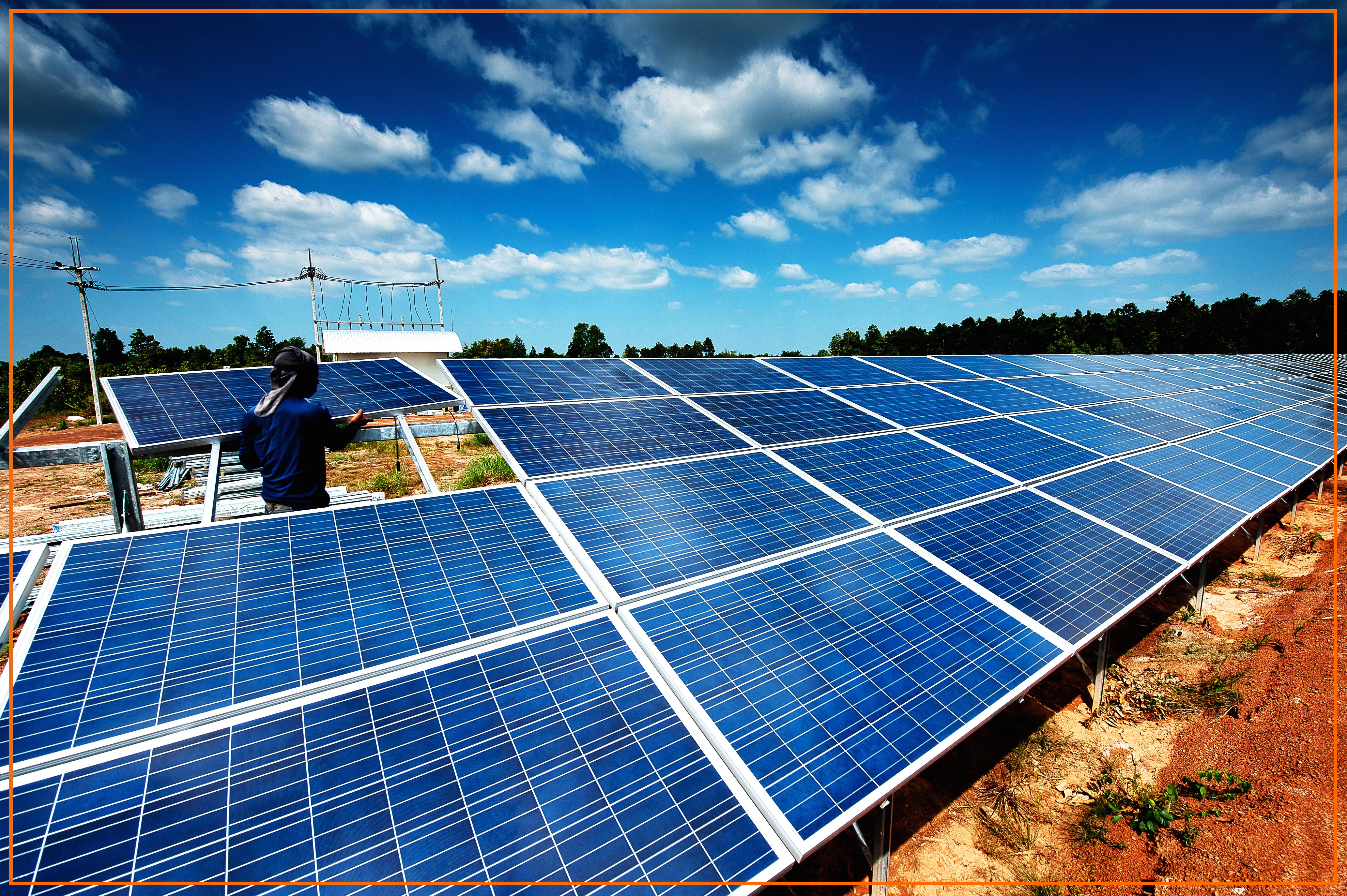
In the quest to alleviate energy poverty in rural areas, solar panels have emerged as a beacon of hope, transforming lives with their clean, renewable energy. These innovative technologies harness the power of the sun, offering a sustainable solution that is both economically and environmentally beneficial. By providing an independent source of electricity, solar panels empower communities that are often isolated from traditional power grids. They enable access to essential services and enhance the quality of life by powering schools, healthcare facilities, and homes.
The adoption of solar panels in these areas has led to several noteworthy benefits:
- Economic Growth: With electricity, small businesses can operate more efficiently, leading to job creation and local economic development.
- Educational Opportunities: Schools equipped with solar power can utilize modern teaching tools, providing students with a better learning environment.
- Improved Healthcare: Clinics powered by solar energy can store vaccines safely and operate essential medical equipment.
- Environmental Impact: Reducing reliance on fossil fuels decreases carbon emissions, contributing to a healthier planet.

Overcoming Challenges: Strategies for Sustainable Implementation
In rural areas, implementing solar panels to alleviate energy poverty comes with its set of challenges. Understanding local needs is crucial, as it ensures that the solar solutions are tailored to fit the unique requirements of each community. Engaging with local stakeholders and leveraging their insights can pave the way for more effective solutions. Moreover, providing training and education on solar technology can empower local populations, enabling them to maintain and operate the systems independently.
To ensure sustainability, several strategies can be adopted:
- Community Involvement: Involving local communities in the planning and decision-making process fosters a sense of ownership and responsibility.
- Flexible Financing Options: Implementing flexible payment schemes can make solar technology more accessible to low-income households.
- Partnerships with NGOs: Collaborating with non-governmental organizations can facilitate the distribution and maintenance of solar panels, ensuring long-term success.
- Continuous Monitoring: Regularly assessing the performance and impact of solar installations helps in making necessary adjustments to improve efficiency.
These strategies can help bridge the gap between technological potential and real-world application, ensuring that solar panels not only reduce energy poverty but also enhance the quality of life in rural communities.
Wrapping Up
In the quiet embrace of rural landscapes, where the horizon stretches wide and hope often flickers dimly, solar panels stand as beacons of transformation. These glistening tiles, capturing sunlight and converting it into lifelines of energy, have begun to dissolve the chains of energy poverty. They illuminate not just homes, but futures, offering a new narrative for communities long left in the shadows.
As we close this exploration of solar empowerment, let us envision a world where every rural village basks in the glow of opportunity. With each sunrise, solar panels promise more than just power—they promise progress, self-sufficiency, and resilience. In the silent hum of these panels lies a symphony of change, echoing the possibility that with the right innovations, even the most remote corners of our world can shine brightly.
Thus, as the sun sets on this discussion, it rises on a new dawn for rural communities worldwide—a dawn powered by the relentless energy of the sun and the unyielding spirit of those who harness it.