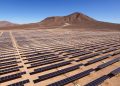




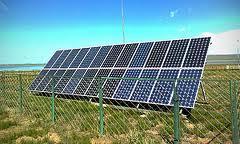

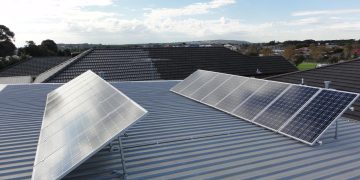




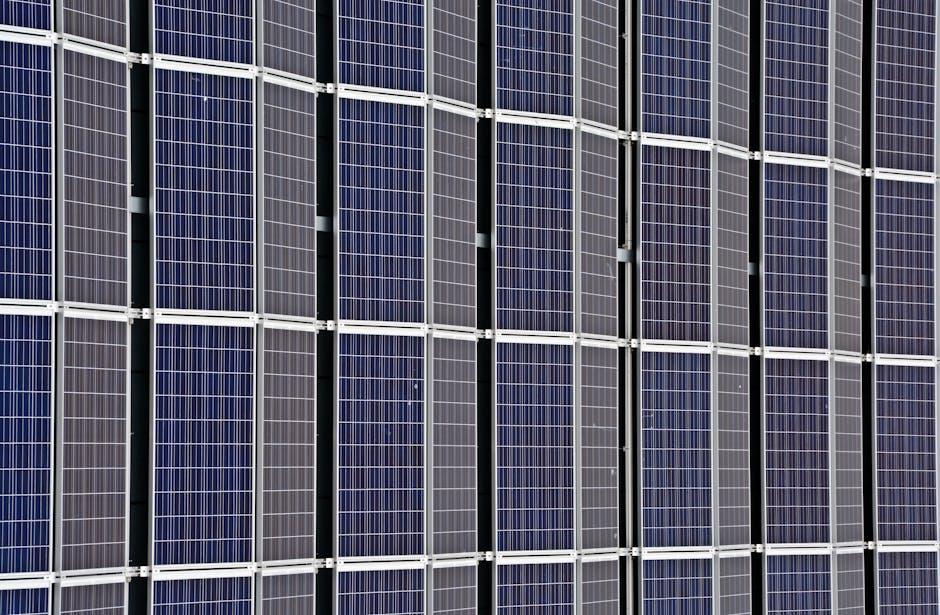
In the ever-evolving narrative of global sustainability, solar panels stand as a beacon of hope, capturing the sun’s rays to power our modern world. Yet, as technology rapidly advances, a pressing question arises: what becomes of yesterday’s solar innovations when today’s superior models take the spotlight? As developed nations upgrade to the latest in photovoltaic technology, a growing trend has emerged—exporting used solar panels to developing nations. This practice, at first glance, appears to be a win-win scenario: a solution for the burgeoning e-waste problem in affluent countries and a pathway to affordable renewable energy for less affluent ones. However, beneath this seemingly harmonious exchange lies a complex web of ethical considerations. Does this practice truly serve the recipient nations, or does it simply shift the burden of disposal and potential environmental harm? In this article, we delve into the multifaceted debate surrounding the exportation of used solar panels, exploring the ethical implications and potential impacts on both global equity and environmental sustainability.
Evaluating Environmental Impacts and Sustainability
When assessing the environmental impacts of exporting used solar panels to developing nations, several factors must be considered. While repurposing these panels can contribute to energy accessibility and reduce waste, it’s crucial to evaluate their lifespan and efficiency. Panels nearing the end of their useful life may offer limited benefits and require more frequent replacements, leading to increased waste management challenges. Additionally, the carbon footprint of transporting these panels across borders can counteract the environmental benefits they provide.
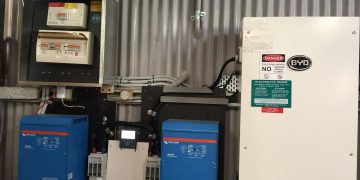
In terms of sustainability, it’s important to ensure that the infrastructure and resources in the recipient countries are sufficient to handle the installation, maintenance, and eventual disposal of these panels. This includes considerations such as:
- Availability of skilled technicians for installation and repairs
- Access to necessary parts and tools
- Effective recycling or disposal programs for end-of-life panels
Without these supports, the initiative could result in unintended environmental burdens rather than sustainable energy solutions.
Understanding the Socioeconomic Benefits and Challenges
Exploring the socioeconomic landscape surrounding the export of used solar panels to developing nations unveils a complex tapestry of benefits and challenges. On one hand, these panels present an opportunity for countries with limited access to energy resources to harness solar power at a reduced cost. This can significantly contribute to rural electrification, empowering communities and fostering local economic growth. By utilizing solar technology, communities can improve access to essential services such as healthcare and education, creating a ripple effect of development. Furthermore, the influx of affordable solar panels can stimulate job creation in installation, maintenance, and other related sectors, fostering a more skilled workforce.
However, this potential boon is not without its hurdles. Quality assurance remains a primary concern, as used solar panels might not perform optimally, leading to issues of reliability and efficiency. There is also the matter of environmental impact, with the potential for increased electronic waste if these panels are not properly disposed of or recycled. Additionally, there is the challenge of ensuring that these exports do not stifle local solar industry development by flooding the market with cheap alternatives. Policymakers and stakeholders must therefore navigate these issues carefully, balancing the immediate socioeconomic benefits with long-term sustainability goals. Solutions may include implementing stringent quality standards and fostering international partnerships to support recycling and waste management initiatives.

Navigating International Regulations and Compliance
When considering the export of used solar panels to developing nations, understanding and adhering to international regulations and compliance standards is crucial. Different countries have varying environmental and safety standards that must be respected. Exporters need to be aware of:
- Environmental Regulations: Many countries have stringent rules regarding electronic waste. It’s essential to ensure that used solar panels do not fall into the category of e-waste unless they meet specific criteria for reuse.
- Safety Standards: Panels must meet international safety certifications to ensure they do not pose any hazard to the end-users.
- Trade Agreements: Familiarity with trade agreements and tariffs can influence the feasibility and legality of such exports.
Compliance with these regulations is not just a legal obligation but also an ethical one, ensuring that the benefits of renewable energy reach those in need without compromising safety or environmental integrity.

Crafting Ethical Guidelines for Solar Panel Exports
Developing ethical guidelines for exporting used solar panels involves balancing environmental sustainability with economic considerations. Transparency should be at the forefront of these guidelines, ensuring that all stakeholders understand the lifecycle and potential limitations of the panels being exported. A key aspect is the quality assurance process; panels must be thoroughly tested to ensure they meet safety and efficiency standards. It’s also crucial to establish accountability measures that address what happens if the panels fail prematurely.
Moreover, guidelines should prioritize community involvement in the decision-making process, allowing local voices to be heard in determining the suitability of used panels for their specific needs. There’s also a need for a regulatory framework that aligns with international environmental and trade standards. An ethical approach would include training programs for local technicians to maintain and repair these panels, thereby fostering job creation and knowledge transfer. By considering these factors, we can create a framework that respects both the environment and the economic realities of developing nations.
In Summary
As the sun sets on our exploration of the ethical dimensions of exporting used solar panels to developing nations, we find ourselves at a crossroads where innovation meets responsibility. The promise of solar energy to illuminate lives and empower communities is undeniable, yet the shadows of ethical dilemmas linger. In the balance between opportunity and obligation, lies a path that calls for thoughtful navigation.
As stewards of progress, we must weigh the scales of sustainability, ensuring that the brilliance of solar solutions does not cast unintended shadows. With each panel that finds a new home, there is potential not only to brighten a village but also to set a precedent for mindful technology transfer. It is here, in this delicate dance of ethics and energy, that the future is forged—a future where the glow of solar power lights the way toward equitable advancement for all.
In closing, let us remain ever curious, ever considerate, and ever committed to harnessing the sun’s bounty in ways that honor both our planet and its people. The journey toward ethical energy is as boundless as the horizon, and it begins with the choices we make today.