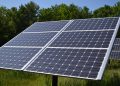




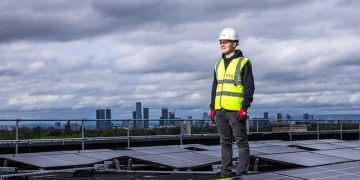
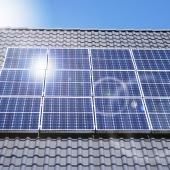




In the radiant embrace of the sun, solar panels stand as silent sentinels on rooftops and fields, converting sunlight into sustainable energy. Yet, behind their gleaming surfaces lies a world often overlooked—one of maintenance and warranties, pivotal to the longevity and efficiency of these modern marvels. As the demand for solar energy surges, understanding the intricacies of upkeep costs and the safety nets provided by warranties becomes crucial. This article delves into the financial landscape of solar maintenance, exploring the balance between initial investments and long-term savings, while unraveling the protective assurances that accompany these sun-soaked innovations. Join us as we illuminate the path to informed solar stewardship, ensuring that your journey towards renewable energy remains as bright and untroubled as the power source itself.
Understanding the Financial Landscape of Solar Maintenance
When delving into the financial intricacies of maintaining solar panels, it’s essential to recognize the various factors that influence costs. These include regular cleaning, occasional repairs, and monitoring systems. While solar panels themselves are designed for durability, elements like inverters and batteries may require more frequent attention. Routine maintenance typically involves cleaning panels to ensure optimal efficiency and checking for potential damage from environmental factors. Investing in a reliable maintenance schedule can prevent minor issues from escalating into costly repairs.
Understanding the scope of warranties is equally important. Most solar installations come with multiple warranties, each covering different components. Common types include:
- Product Warranty: Covers defects in the solar panels themselves, often lasting between 10-25 years.
- Performance Warranty: Guarantees a certain level of energy production over time, ensuring panels don’t degrade too quickly.
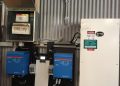
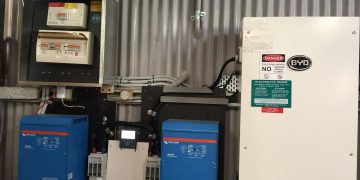
- Inverter Warranty: Usually shorter than panel warranties, often around 5-10 years, covering the device that converts solar energy into usable electricity.
By thoroughly understanding these warranties, homeowners can make informed decisions about their solar investments, ensuring they maximize their returns while minimizing unexpected expenses.
Decoding Warranty Terms for Long-Term Savings
When investing in solar energy, understanding the intricacies of warranty terms is crucial for long-term savings. These warranties often include various components, each with its unique terms and coverage. To maximize your investment, it’s essential to dissect these terms and comprehend what is truly covered. Commonly, solar warranties cover:
- Performance Warranty: This ensures that the solar panels will perform at a certain capacity for a specific period, typically 25 years. It’s vital to examine the percentage of performance guaranteed over time.
- Product Warranty: Covering manufacturing defects, this warranty generally spans 10 to 25 years. Scrutinizing the terms here can help you understand the potential costs you might face if components need replacement.
- Inverter Warranty: Since inverters have shorter lifespans, warranties often last between 5 to 12 years. Understanding the coverage can prevent unexpected expenses if the inverter fails.
By thoroughly analyzing these warranties, you can safeguard against unexpected costs and ensure that your solar system remains a sound financial decision over its lifespan. Don’t hesitate to ask providers detailed questions about what is included and the process for making claims. This proactive approach not only aids in managing future maintenance expenses but also ensures peace of mind in your solar investment journey.

Expert Tips for Reducing Solar System Upkeep Costs
- Regular Cleaning: Dust and debris can significantly impact the efficiency of solar panels. Implementing a regular cleaning schedule can help maintain their effectiveness and extend their lifespan. Use soft brushes and water to gently clean the surface, avoiding any harsh chemicals that could damage the panels.
- Monitor System Performance: Utilize monitoring systems to track the performance of your solar setup. This proactive approach allows you to detect issues early, preventing costly repairs down the line. Monitoring can often be done through apps provided by your solar company, offering real-time data on energy production.
- Understand Your Warranty: Familiarize yourself with the specifics of your solar system’s warranty. Some warranties cover certain maintenance tasks, which could save you money. Ensure that all maintenance activities comply with warranty requirements to avoid voiding it.
- DIY Maintenance: While some maintenance tasks require professional attention, many basic checks can be done by the homeowner. Inspect the panels for visible damage, check for shading from new tree growth, and ensure that inverters are functioning correctly.
By integrating these strategies, homeowners can effectively manage and reduce solar maintenance expenses. Embracing a hands-on approach to upkeep not only helps in preserving the system’s performance but also maximizes the return on investment over its lifetime.
Maximizing Warranty Benefits for Your Solar Investment
Understanding the nuances of your solar system’s warranty can significantly reduce long-term maintenance expenses. Warranties are often complex documents with fine print that can be easily overlooked, yet they hold the key to safeguarding your investment. Key components to focus on include the performance warranty, which guarantees a certain level of power output over time, and the product warranty, which covers defects in materials and workmanship. Each of these plays a crucial role in ensuring your solar panels remain efficient and operational.
To truly capitalize on these benefits, it’s essential to adopt a proactive approach. Consider these strategies:
- Regular Inspections: Schedule consistent inspections to identify potential issues early, which can be rectified before they escalate into costly repairs.
- Comprehensive Documentation: Maintain detailed records of all maintenance activities and communications with the manufacturer or installer. This can prove invaluable in the event of a warranty claim.
- Understand Coverage Limits: Familiarize yourself with the warranty terms, including coverage limitations and exclusions, to avoid unexpected expenses.
By aligning your maintenance routine with the terms of your warranty, you can optimize your solar investment’s lifespan and efficiency, effectively minimizing unforeseen costs.
In Conclusion
As we conclude our exploration of , it becomes evident that the sun not only powers our homes but also our decisions. Just as solar panels capture sunlight, let us capture the essence of informed choices—balancing initial costs with long-term benefits. Understanding warranties and maintenance is akin to charting a course through the vast solar landscape, ensuring that our investments remain resilient against the tests of time and weather. Whether you’re a homeowner or a business leader, may this knowledge illuminate your path, guiding you toward a future where energy is as sustainable as the sun itself. As we harness the power of solar, let us also harness the power of informed decision-making, ensuring that our journey towards a greener world is as bright as the technology that fuels it.