






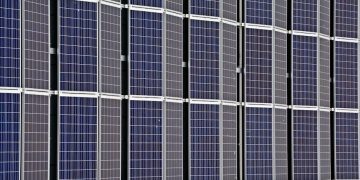
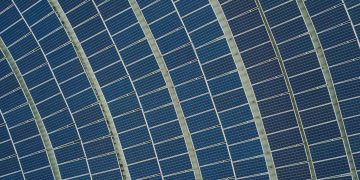


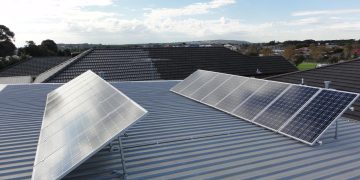





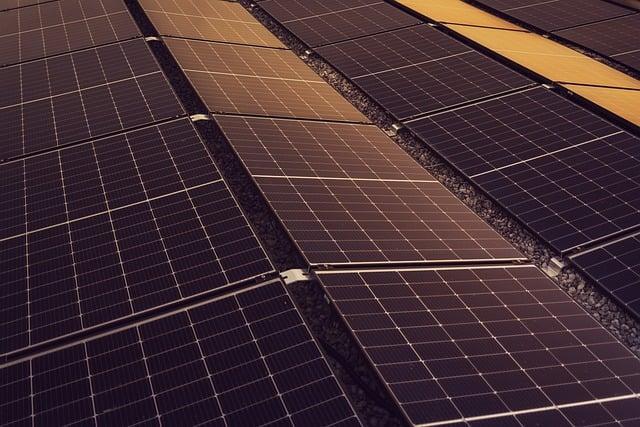
In the golden light of a setting sun, solar panels gleam with the promise of a sustainable future. These silent sentinels of energy transformation have captured the imagination of environmentalists, investors, and policymakers alike. Yet, as they bask in the glow of progress, a pressing question emerges from the shadows: Is the solar industry standing on its own, or is it propped up by a scaffold of subsidies? As we delve into the heart of this inquiry, we navigate a landscape where innovation meets economics, where the quest for a greener planet intersects with the complexities of fiscal strategy. Join us as we explore whether the solar industry’s rise is a testament to its inherent viability or a testament to the power of governmental support.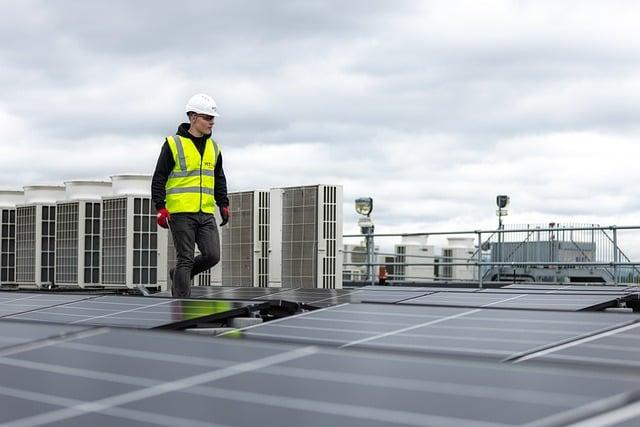
Examining the Financial Backbone of Solar Energy
As the solar industry continues its rapid growth, a crucial question arises about its financial structure: is it too reliant on government incentives? The current landscape suggests that subsidies play a pivotal role in making solar projects economically viable. Tax credits, rebates, and grant programs are some of the financial levers that have helped lower the cost of solar installations for both businesses and homeowners. These incentives aim to accelerate the adoption of renewable energy, driving down prices through economies of scale. However, there’s an ongoing debate about whether this financial model is sustainable in the long run.
Critics argue that excessive dependence on subsidies could stifle innovation and hinder the industry’s ability to stand on its own. Key concerns include:
- The risk of creating a market that can’t survive without continued financial support.
- The potential for subsidies to distort market competition, giving undue advantage to established players.
- The possibility that policy changes could abruptly impact the financial health of solar companies.
Balancing these concerns with the undeniable environmental benefits of solar energy is a complex challenge. As the industry matures, stakeholders are keenly watching how it adapts to potential reductions in governmental support.
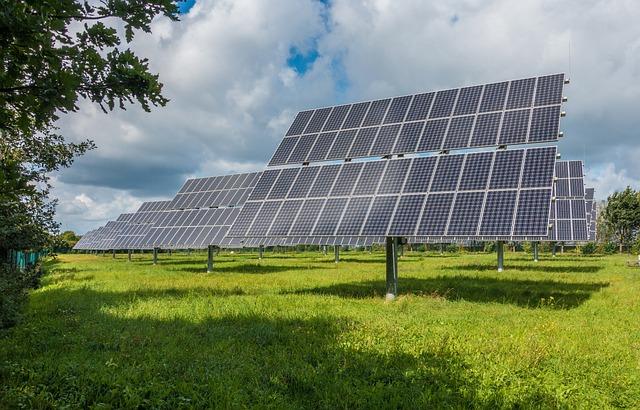
Unraveling the Economic Impact of Subsidies on Solar Growth
The solar industry has witnessed unprecedented growth over the past decade, largely propelled by governmental financial incentives. These subsidies, while pivotal in fostering innovation and adoption, raise questions about the industry’s long-term viability without them. As nations strive to achieve energy independence and reduce carbon footprints, they often rely on subsidies to accelerate the transition from fossil fuels to renewable energy sources. The influence of these subsidies on market dynamics is profound, affecting everything from pricing structures to technological advancements.
However, there are multiple facets to consider when evaluating their economic impact. Among the potential consequences are:
- Market Distortion: Subsidies can sometimes lead to an artificial inflation of market demand, potentially resulting in a bubble that could burst if support is withdrawn.
- Innovation Drive: By reducing financial risk, subsidies can encourage companies to invest in new technologies and improve efficiencies.
- Global Competitiveness: Nations offering substantial incentives may see their domestic industries become more competitive on the global stage, potentially leading to trade imbalances.
In assessing these elements, it’s crucial to strike a balance between nurturing the nascent stages of the solar industry and ensuring it can eventually thrive independently, thereby creating a sustainable and self-reliant energy future.
Exploring Alternatives to Subsidy-Driven Solar Models
The solar industry, often bolstered by government subsidies, faces a pivotal moment where exploring sustainable business models is imperative. While subsidies have undeniably accelerated solar adoption, there’s a growing consensus that the sector must innovate beyond these financial crutches. One potential avenue is the integration of solar power with other renewable technologies, creating hybrid systems that enhance efficiency and reliability. Such models can attract investment by demonstrating diversified energy solutions.
Community solar projects represent another promising alternative, where local stakeholders collectively invest in solar farms. This not only democratizes energy access but also fosters local economic growth, reducing dependency on external financial incentives. Additionally, power purchase agreements (PPAs) offer a viable path, allowing consumers to buy solar power at fixed rates, making solar energy financially accessible without upfront costs. By exploring these alternatives, the solar industry can build a resilient foundation that thrives with or without subsidies.

Strategic Recommendations for a Sustainable Solar Future
To ensure the solar industry’s resilience beyond subsidies, several strategic approaches can be adopted. Innovation and technology advancement are crucial. By investing in research and development, solar companies can drive down costs and improve efficiency, making solar energy more competitive without relying heavily on financial aid. This includes enhancing solar panel efficiency, exploring new materials, and developing better energy storage solutions.
Another critical strategy is diversification. By expanding their markets globally and exploring different customer segments, solar companies can reduce their dependence on government incentives in any single region. Additionally, fostering public-private partnerships can create a stable environment for solar growth. Collaborations with local governments and communities can lead to the development of tailored solutions that address specific regional needs, thus strengthening the industry’s foundation. prioritizing sustainability and ethical sourcing will not only appeal to environmentally-conscious consumers but also position companies as leaders in a market increasingly driven by values.
In Conclusion
As the sun sets on our exploration of the solar industry’s reliance on subsidies, we find ourselves at the intersection of innovation and policy. Like the delicate balance of light and shadow, the future of solar energy hinges on both its ability to stand independently and the support it receives to grow. While subsidies have undeniably fueled its ascent, fostering technological advances and market expansion, the question remains: can the industry continue to shine brightly without this financial boost? As we look to the horizon, it is clear that the journey of solar energy is far from over. Its path will be shaped by the evolving dance between market forces and government intervention, with each step bringing us closer to a sustainable future. Let us watch and wait, with the understanding that the solar industry’s story is still being written, its potential as vast and varied as the skies above.