



















In the ever-evolving landscape of renewable energy, solar power continues to capture the imagination and investment of nations worldwide. As the sun’s rays spill across rooftops and fields, a silent revolution is underway, transforming how we harness and consume energy. But what do the latest market data reveal about this solar surge? In a world increasingly powered by data-driven decisions, understanding the nuances of solar energy adoption becomes crucial. This article delves into the most recent figures and trends, painting a comprehensive picture of where solar energy stands today and where it might lead us tomorrow. From shifts in policy to advancements in technology, join us as we explore the factors driving this bright new era of sustainable power.
Shining a Light on Current Solar Energy Trends
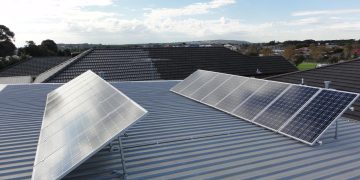
The solar energy landscape is evolving rapidly, driven by technological innovations and increased awareness of environmental sustainability. Recent market data reveals several key trends shaping the industry. Rooftop solar installations are seeing a surge, as more homeowners and businesses recognize the long-term cost savings and energy independence they offer. Meanwhile, advancements in solar battery storage are making it easier to harness and utilize solar power even when the sun isn’t shining, addressing one of the main limitations of solar energy.
- Increased Efficiency: New solar panel technologies are achieving higher efficiency rates, converting more sunlight into electricity.
- Government Incentives: Many countries are implementing or extending tax credits and subsidies to encourage solar adoption.
- Community Solar Projects: Shared solar initiatives are allowing more people to benefit from solar energy, even if they can’t install panels on their own property.

The Economic Ripple Effect of Increased Solar Adoption
As solar energy adoption accelerates, its economic influence reverberates through various sectors, reshaping traditional financial landscapes. Investment in solar technology stimulates job creation, not only in the installation and maintenance of solar panels but also in manufacturing and research. This burgeoning industry is fostering a new wave of employment opportunities, offering roles that range from skilled labor to high-tech innovation.
Moreover, the shift towards solar energy has catalyzed a ripple effect in community and small business growth. Homeowners and businesses investing in solar panels often experience significant reductions in energy costs, enabling them to allocate savings towards other economic activities. This financial relief can lead to increased consumer spending, further stimulating local economies. Additionally, the decentralized nature of solar energy production encourages energy independence, empowering communities to generate and manage their own energy resources. As more regions embrace this model, we witness a gradual transformation towards sustainable economic frameworks that prioritize resilience and self-sufficiency.

Harnessing the Power of Data to Drive Solar Growth
In today’s rapidly evolving energy landscape, data is becoming the cornerstone of strategic decision-making for solar energy adoption. Advanced analytics and real-time data processing allow industry players to gain deeper insights into market trends and consumer behavior. By leveraging these insights, companies can optimize their operations and tailor their offerings to meet the specific demands of their target audience. The latest market data reveals some compelling trends:
- Increased residential adoption driven by declining installation costs and enhanced government incentives.
- Technological advancements in solar panels and energy storage systems, making solar more accessible and efficient.
- Growing interest from businesses looking to reduce their carbon footprint and cut energy costs.
These trends underscore the potential of data-driven strategies to not only enhance the growth of solar energy but also to foster a more sustainable future. By harnessing the power of data, stakeholders can better anticipate market shifts and adapt their approaches, ensuring a competitive edge in this burgeoning sector.

Strategic Recommendations for Boosting Solar Integration
As we delve into the nuances of solar energy adoption, several strategic recommendations emerge that could significantly enhance solar integration across various sectors. First and foremost, it is crucial to develop robust financial incentives. Governments and financial institutions should collaborate to offer attractive tax credits, subsidies, and low-interest loans to both residential and commercial entities investing in solar technology. Such financial frameworks can lower the entry barrier and encourage widespread adoption.
Moreover, fostering public-private partnerships can be a game-changer. By aligning the interests of government agencies, private companies, and community organizations, these partnerships can drive innovation and streamline solar projects. Additional strategies include:
- Enhancing grid infrastructure to support increased solar input, ensuring stability and efficiency.
- Investing in research and development to advance solar technologies, making them more efficient and cost-effective.
- Educating the public about the benefits of solar energy through targeted awareness campaigns.
- Streamlining regulatory processes to expedite the approval and installation of solar systems.
Implementing these strategic actions can create a more conducive environment for solar integration, ultimately propelling the market toward a more sustainable energy future.
Final Thoughts
As we close the chapter on our exploration of the latest market data on solar energy adoption, we find ourselves standing at the intersection of innovation and opportunity. The numbers paint a compelling picture of a world gradually turning its gaze skyward, harnessing the sun’s abundant power with increasing efficiency and resolve. Yet, amidst the figures and forecasts, it is the untold stories of transformation—of homes, communities, and industries—that truly illuminate the path ahead.
While challenges remain, from technological hurdles to policy shifts, the momentum is undeniable. Solar energy is no longer a distant dream but a burgeoning reality, steadily reshaping our energy landscape. As we continue to track these developments, one thing is certain: the sun is rising on a new era of sustainable energy, inviting us all to bask in its potential. With eyes set on the horizon, we remain curious and vigilant, ready to witness what the next dawn will bring.