












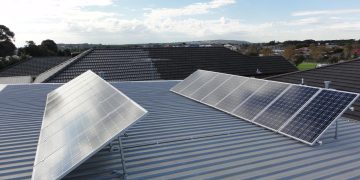






In a world increasingly driven by the promise of renewable energy, solar panels have emerged as beacons of sustainability, capturing sunlight and converting it into the electricity that powers our modern lives. However, as the sun sets on the lifecycle of these technological marvels, a new challenge emerges: the disposal of old solar panels. While they were once hailed as a solution to our environmental woes, the question now arises—should businesses be held accountable for the disposal of these aging solar arrays? This issue sits at the crossroads of environmental responsibility, economic feasibility, and ethical business practices, sparking a debate that calls into question the very essence of corporate accountability in the age of sustainability. As we delve into this complex topic, we seek to unravel the layers of responsibility, explore the potential impacts on both businesses and the environment, and consider the pathways to a future where innovation and responsibility coexist harmoniously.
Environmental Impact and Corporate Responsibility
The conversation around the disposal of aging solar panels has become a focal point in discussions about corporate environmental responsibility. As these once-cutting-edge panels reach the end of their lifecycle, the challenge of managing the waste becomes a pressing issue. Businesses involved in the production and installation of solar technology must now confront the ecological footprint of their products. This includes ensuring that the materials used in panels, such as silicon, glass, and certain metals, are recycled responsibly and do not contribute to environmental degradation. The question arises: should these companies bear the brunt of disposal costs and responsibilities, or should the onus be shared among stakeholders?
Key considerations for businesses in this arena include:
- Developing sustainable recycling processes that minimize environmental harm.
- Collaborating with governments and NGOs to create efficient disposal programs.
- Innovating in product design to extend the lifespan of solar panels and reduce waste.
- Educating consumers on responsible disposal and recycling options.

Legal Frameworks Governing Solar Panel Disposal
As the adoption of solar energy continues to surge, the environmental implications of disposing of aging solar panels have come under scrutiny. A patchwork of regulations governs this process, and these frameworks are pivotal in determining who bears responsibility. In many jurisdictions, Extended Producer Responsibility (EPR) policies are being implemented, compelling manufacturers to manage the lifecycle of their products, including disposal. This concept encourages businesses to integrate environmentally friendly practices from production to end-of-life management.
Additionally, The Waste Electrical and Electronic Equipment Directive (WEEE) in the European Union is a prime example of stringent guidelines that mandate the recycling and safe disposal of solar panels. Such frameworks often outline specific procedures and penalties for non-compliance, fostering a culture of accountability. Meanwhile, in countries with less stringent regulations, the absence of clear mandates can lead to improper disposal practices, potentially harming the environment. Businesses operating in these regions might find themselves navigating a complex landscape, balancing cost with corporate social responsibility.
- Extended Producer Responsibility (EPR): Manufacturers are responsible for the entire lifecycle of their products.
- Waste Electrical and Electronic Equipment Directive (WEEE): EU regulations on recycling and disposal of electronic waste.
- Regulatory Disparities: Variations in laws across different regions can affect disposal practices.
Technological Innovations in Recycling Solar Panels
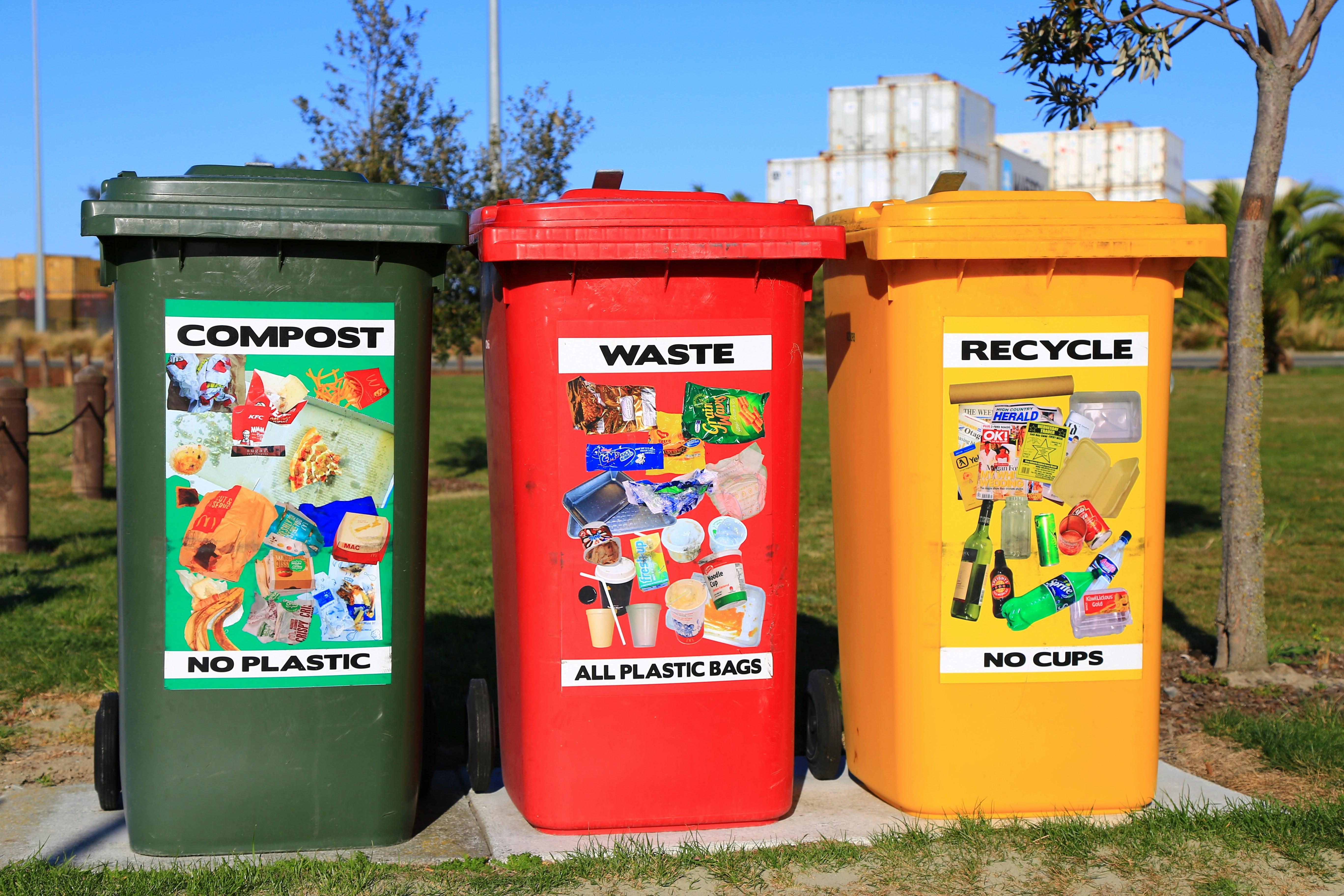
The intersection of technology and sustainability is bringing forth innovative solutions in the recycling of solar panels, addressing the growing concern of electronic waste. Recent advancements are transforming how we manage the lifecycle of solar energy components, ensuring they don’t end up in landfills. Some of the most exciting developments include:
- Advanced Material Recovery: Cutting-edge techniques now allow for the efficient extraction of valuable materials like silicon, silver, and copper from old panels, significantly reducing waste.
- Eco-friendly Chemical Processes: New methods use non-toxic chemicals to safely break down solar panel components, minimizing environmental impact and enabling easier reuse of materials.
- Automated Disassembly Systems: Robotics and AI-driven systems are enhancing the speed and precision of panel disassembly, optimizing the recycling process and reducing human labor costs.
These technological innovations not only improve recycling efficiency but also open up economic opportunities for businesses willing to invest in sustainable practices. By leveraging these advancements, companies can contribute to a circular economy while maintaining their commitment to environmental responsibility.
Strategic Recommendations for Sustainable Disposal Practices
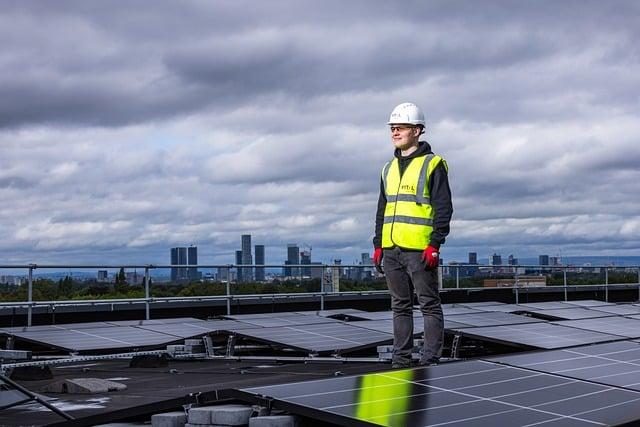
To ensure that businesses contribute positively to environmental conservation, several strategic actions can be adopted. First, fostering partnerships with recycling companies can significantly enhance the disposal process. By collaborating with firms specializing in the recycling of solar panels, businesses can not only ensure compliance with regulations but also benefit from shared expertise in sustainable practices. Second, adopting a cradle-to-grave approach where companies take responsibility for their products from production through disposal encourages accountability and innovation in sustainable design.
Additionally, implementing robust take-back programs can serve as a proactive measure. These programs incentivize customers to return old panels, thus preventing improper disposal. Education and awareness campaigns play a crucial role as well; by informing stakeholders about the environmental impacts of improper disposal, businesses can cultivate a culture of responsibility and sustainability. lobbying for regulatory support can help establish industry-wide standards that hold all businesses to the same accountability measures, ensuring a level playing field and promoting best practices across the sector.
Wrapping Up
As the sun sets on our exploration of the responsibilities surrounding old solar panel disposal, it becomes evident that this issue is as multifaceted as the panels themselves. Balancing innovation with environmental stewardship presents both challenges and opportunities for businesses worldwide. While the question of accountability is complex, it is clear that collaboration among manufacturers, policymakers, and consumers will illuminate the path forward. As we continue to harness the power of the sun, let us also commit to a future where sustainability shines at the heart of our endeavors. In this intricate dance between progress and preservation, may we find a rhythm that harmonizes with the planet’s enduring melody.