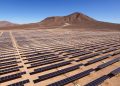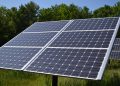
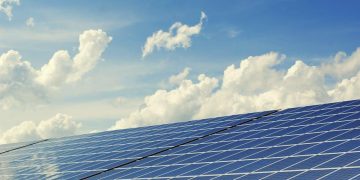




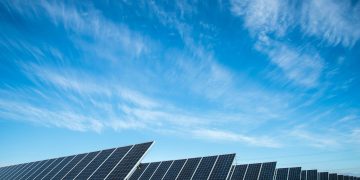
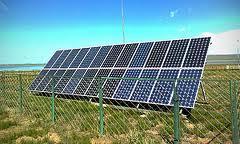
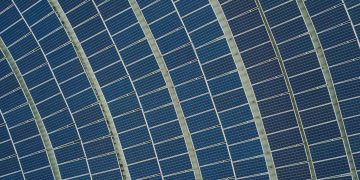


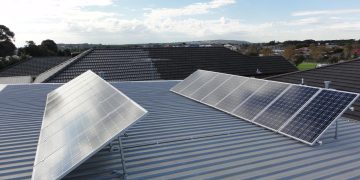
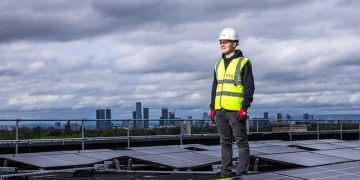




In the vast expanse of the modern landscape, where urban jungles and rural idylls intertwine, a new kind of farm is quietly revolutionizing the way we think about energy and the environment. These are not farms of corn or cattle, but of light—solar farms, sprawling arrays of photovoltaic panels that harness the sun’s boundless energy to power our world. As society grapples with the urgent need to shift away from fossil fuels, solar farms have emerged as a beacon of hope, promising a cleaner, more sustainable future. Yet, like any technological advancement, they are not without their complexities and controversies. This article delves into the multifaceted impact of solar farms on the environment, exploring the delicate balance between progress and preservation, innovation and intrusion. Join us as we journey into the heart of these luminous fields, where sunlight is both the seed and the harvest, and where the quest for green energy meets the realities of our natural world.
Harnessing the Sun: The Dual Faces of Solar Farms
In the vast expanses of rural landscapes, solar farms emerge as modern-day monuments to renewable energy. These vast arrays of photovoltaic panels capture the sun’s potent energy, promising a cleaner, greener future. However, this burgeoning technology comes with a spectrum of environmental implications. On the bright side, solar farms significantly reduce reliance on fossil fuels, thereby decreasing greenhouse gas emissions. They provide a sustainable alternative, creating energy from a source that is virtually limitless. The advantages are compelling, with benefits such as:
- Reduction in Carbon Footprint: Solar farms drastically cut down the carbon emissions associated with traditional energy production.
- Energy Independence: By harnessing local solar energy, communities can reduce dependence on imported fuels.
- Economic Opportunities: Development and maintenance of solar farms create jobs and stimulate local economies.
Yet, the shadows of solar farms cannot be ignored. Their installation requires large tracts of land, which can disrupt local ecosystems and lead to habitat loss. The production and disposal of solar panels also raise concerns about pollution and resource use. To strike a balance, it’s crucial to consider innovations in dual-use farming and technological advancements that aim to minimize land use and enhance panel recyclability. Ultimately, the challenge lies in embracing solar energy’s promise while conscientiously addressing its environmental footprint.

Balancing Energy Needs and Ecosystem Health
As the global shift towards renewable energy gains momentum, solar farms have emerged as a prominent solution to meet rising energy demands. However, their impact on the environment remains a subject of ongoing debate. These expansive installations offer a clean energy alternative, but they also present unique challenges to maintaining ecosystem health. Key considerations include:
- Land Use: Large tracts of land are often converted into solar farms, which can lead to habitat loss and fragmentation for local wildlife. This alteration of natural landscapes might affect biodiversity.
- Water Resources: While solar panels themselves do not require water, maintaining solar farms may involve water use for cleaning, potentially affecting local water availability.
- Local Climate: The reflective surfaces of solar panels can alter local temperatures and microclimates, impacting plant and animal life in surrounding areas.
In striving for a balance between sustainable energy production and environmental preservation, it is crucial to integrate innovative strategies such as agrivoltaics, where agricultural activities coexist with solar panels, and biodiversity corridors that allow wildlife to thrive alongside energy infrastructure. By addressing these challenges proactively, we can ensure that solar energy not only powers our future but also respects the natural world.

Strategies for Mitigating Environmental Impact in Solar Energy Projects
- Site Selection and Design: Thoughtful planning in choosing locations for solar installations is paramount. By selecting previously disturbed lands or areas with minimal ecological value, developers can prevent unnecessary disruption to wildlife habitats. Integrating wildlife corridors and preserving native vegetation within the site design further enhances ecological harmony.
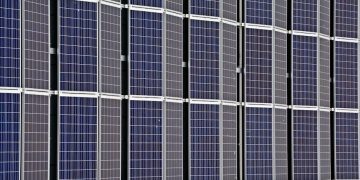
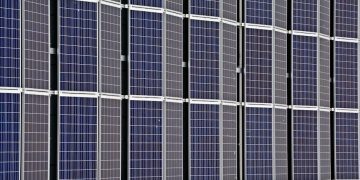
- Use of Advanced Technology: Leveraging bifacial solar panels and tracking systems can optimize energy capture while minimizing land use. These technologies enhance the efficiency of solar farms, reducing the footprint required to generate the same amount of energy.
- Pollinator-Friendly Practices: Establishing pollinator habitats around solar arrays not only aids in biodiversity but also supports local agriculture. Planting native flowering plants can create thriving ecosystems for bees and butterflies, transforming solar sites into vibrant ecological hotspots.
- Community Engagement and Collaboration: Working closely with local communities ensures that projects align with regional conservation goals and address any concerns. This collaborative approach can foster goodwill and generate innovative ideas for reducing environmental impact.
- Recycling and Reuse Initiatives: Implementing robust recycling programs for solar panels and components at the end of their lifecycle is essential. Encouraging the development of a circular economy within the solar industry not only mitigates waste but also supports sustainable resource management.

Innovative Practices for Sustainable Solar Farm Development
The integration of cutting-edge strategies is pivotal for advancing the ecological footprint of solar energy installations. Embracing dual-use farming techniques allows for the simultaneous cultivation of crops and harnessing solar power, thereby maximizing land utility and fostering biodiversity. This approach not only enhances soil health but also provides a habitat for pollinators, supporting local ecosystems.
Incorporating native vegetation under and around solar panels can further boost environmental benefits. These plantings help in soil stabilization, reduce erosion, and improve water retention, creating a sustainable cycle of nourishment. Additionally, floating solar farms on reservoirs or lakes are gaining traction, as they minimize land use while curbing water evaporation and reducing algae growth. By integrating these innovative practices, solar farms can significantly reduce their ecological impact, aligning energy production with environmental stewardship.
Future Outlook
As we stand on the brink of an energy revolution, solar farms illuminate a path forward—a path that promises cleaner air and a lighter environmental footprint. Yet, like the sun itself, their impact is multifaceted, casting both light and shadow on the landscapes they occupy. The gentle hum of solar panels quietly challenges the status quo, urging us to weigh the scales of progress and preservation. In this delicate balance, we find a mirror reflecting our own responsibility to innovate thoughtfully and tread lightly. As we gaze towards the horizon, let us harness the sun’s boundless potential with care, ensuring that the legacy of solar farms is one of harmony with the earth, a testament to human ingenuity that shines brightly for generations to come.