



















As the sun rises each day, it not only illuminates our world but also heralds a new era in sustainable energy solutions. Solar energy, a boundless reservoir of power, has emerged as a pivotal force in the quest for cleaner, greener alternatives to fossil fuels. Among its myriad applications, one of the most promising is its integration into electric vehicle (EV) charging stations. As the global transition to electric mobility accelerates, the demand for efficient and sustainable charging infrastructure is more pressing than ever. By harnessing the sun’s energy, EV charging stations are poised to revolutionize the way we power our journeys, offering an eco-friendly solution that aligns with the planet’s urgent need for sustainable innovation. This article delves into the transformative potential of solar energy in EV charging, exploring how this synergy not only reduces carbon footprints but also paves the way for a more sustainable future on the roads.
Innovative Integration: Harnessing Solar Power for Efficient EV Charging
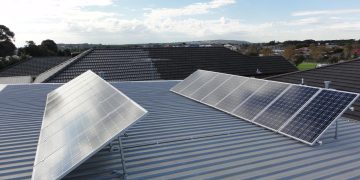
Incorporating solar energy into electric vehicle (EV) charging stations represents a groundbreaking leap towards sustainability and efficiency. As the world pivots to greener alternatives, solar-powered EV charging stations are becoming a beacon of innovation. These stations not only reduce the dependency on traditional power grids but also significantly cut down the carbon footprint associated with electric vehicle charging. By utilizing photovoltaic panels, charging stations can harness the abundant power of the sun, ensuring that EVs are powered by a truly renewable source.
- Cost Efficiency: Solar panels can drastically lower operational costs, offering long-term savings on electricity bills.
- Energy Independence: Stations can operate off-grid, reducing reliance on fluctuating energy markets and enhancing resilience.
- Environmental Impact: Utilizing clean energy minimizes emissions, promoting a healthier environment.
- Scalability: Solar systems can be tailored to suit various sizes of installations, from small urban hubs to large rural stations.
Maximizing Energy Output: Technological Advances in Solar-Powered Charging Stations
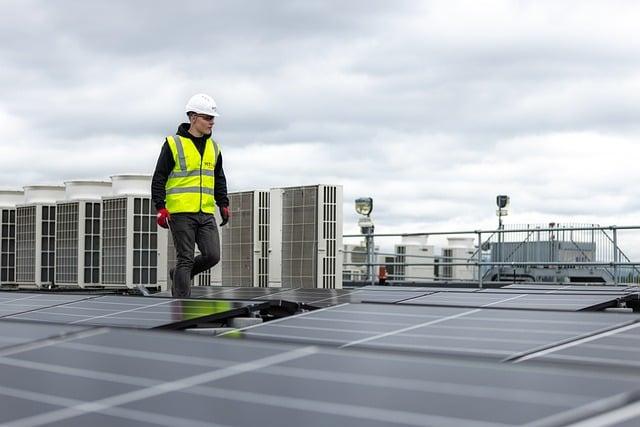
The integration of cutting-edge technology into solar-powered charging stations is transforming the landscape of electric vehicle (EV) infrastructure. Innovations in photovoltaic (PV) technology have significantly improved the efficiency of solar panels, allowing them to capture more sunlight and convert it into usable energy. This advancement is complemented by the development of smart inverters, which optimize the conversion process and enhance the overall performance of the charging stations. Furthermore, the use of energy storage systems, such as advanced lithium-ion batteries, ensures that surplus solar energy can be stored and utilized during periods of low sunlight, providing a consistent and reliable power supply for EV users.
Modern solar-powered charging stations are also incorporating IoT technology to monitor and manage energy output effectively. Through the use of real-time data analytics and remote monitoring, these stations can adjust their operations to maximize efficiency and reduce energy waste. This includes features like:
- Dynamic Load Balancing: Distributing energy according to demand to prevent overloads and optimize charging times.
- Predictive Maintenance: Using data to foresee and address potential issues before they impact station performance.
- Smart Grid Integration: Allowing seamless interaction with the wider energy grid to share surplus power and enhance grid stability.
These technological advances are not only maximizing energy output but also paving the way for a more sustainable and efficient future in EV charging solutions.

Sustainable Solutions: Environmental Benefits of Solar-Enhanced EV Infrastructure
Integrating solar energy into electric vehicle charging stations offers a myriad of environmental advantages. By harnessing the power of the sun, these charging stations can significantly reduce their carbon footprint, making EV charging even more sustainable. This integration not only decreases reliance on fossil fuels but also enhances the energy efficiency of the entire system. Solar-enhanced infrastructure helps in reducing greenhouse gas emissions and supports the transition to a cleaner energy economy.
- Reduction in Carbon Emissions: Solar-powered EV stations decrease the dependency on grid electricity, which often relies on non-renewable sources.
- Energy Independence: These stations promote energy self-sufficiency by utilizing locally sourced solar energy.
- Minimal Environmental Impact: Solar panels have a relatively low impact on the environment during their lifecycle, from production to disposal.
- Cost Savings: Over time, solar integration can lead to lower operational costs, as sunlight is a free and abundant resource.
Moreover, by combining solar energy with advanced battery storage systems, charging stations can operate independently even during grid outages, ensuring uninterrupted service. This not only enhances the resilience of the infrastructure but also supports the overall goal of a sustainable and reliable energy future.

Strategic Implementation: Best Practices for Deploying Solar Energy in Charging Networks
To effectively integrate solar energy into electric vehicle charging networks, a series of strategic practices can be employed to ensure optimal performance and sustainability. Firstly, it’s crucial to assess the geographical and environmental factors. Locations with abundant sunlight should be prioritized, as they can maximize energy capture. Additionally, positioning solar panels to reduce shading and maximize exposure throughout the day is essential.
Innovative technology integration is another key practice. Implementing smart grid systems can help balance energy loads and improve efficiency by dynamically distributing solar energy based on demand. Moreover, utilizing energy storage solutions such as batteries can store excess solar energy, providing a reliable power source even during low-sunlight conditions. Furthermore, the deployment of modular and scalable designs allows for future expansion and adaptability as the demand for EV charging grows. By incorporating these best practices, solar-powered charging networks can be both environmentally friendly and economically viable.
- Geographical Assessment: Choose sunny locations and optimize panel placement.
- Smart Grids: Use technology to manage energy distribution efficiently.
- Energy Storage: Incorporate batteries to store surplus energy.
- Scalable Design: Plan for future expansion and flexibility.
Concluding Remarks
As we navigate the road to a more sustainable future, the fusion of solar energy and electric vehicle charging stations emerges as a beacon of innovation and promise. This synergy not only accelerates our journey towards reducing carbon footprints but also exemplifies the boundless potential of harnessing renewable resources. While challenges remain in optimizing efficiency and accessibility, the strides being made today illuminate a path paved with both environmental and economic benefits. As technology advances and infrastructure evolves, solar-powered EV charging stations stand as a testament to our collective commitment to a cleaner, greener tomorrow. Let us continue to fuel this momentum, driving forward with the sun as our steadfast ally.