




















In a world increasingly powered by the sun, the question of how best to harness and store its abundant energy has sparked a vibrant global conversation. As nations strive to meet ambitious climate goals and reduce reliance on fossil fuels, solar energy stands at the forefront of this green revolution. Yet, while the sun’s rays know no borders, the technologies and standards we use to capture and store them remain as diverse as the cultures and landscapes they illuminate. This raises a pivotal question: should solar energy storage be standardized worldwide? This article delves into the heart of this debate, exploring the potential benefits and challenges of a unified approach to solar energy storage. By examining the technical, economic, and environmental implications, we aim to shed light on whether a global standard could illuminate the path to a more sustainable future or if regional diversity should continue to reign in this sunlit domain.
The Global Quest for Solar Storage Uniformity
The intricate tapestry of solar energy storage reveals a landscape where diverse technologies and methodologies coexist, often resulting in a fragmented ecosystem. Advocates for standardization argue that a unified approach could streamline production, reduce costs, and enhance the reliability of solar storage systems. By establishing common protocols, the global market could benefit from:
- Interoperability: Allowing different systems and components to work seamlessly together.
- Cost Efficiency: Economies of scale achieved through mass production of standardized components.
- Ease of Maintenance: Simplified repair and maintenance processes due to uniform standards.
However, the path to uniformity is not without its challenges. The diversity in geographical conditions, governmental policies, and energy demands makes a one-size-fits-all solution complex. Some regions may require specialized storage solutions tailored to their unique needs, raising questions about the feasibility of a standardized global framework. Balancing innovation with standardization remains a delicate dance, as stakeholders navigate the dynamic landscape of solar energy storage.
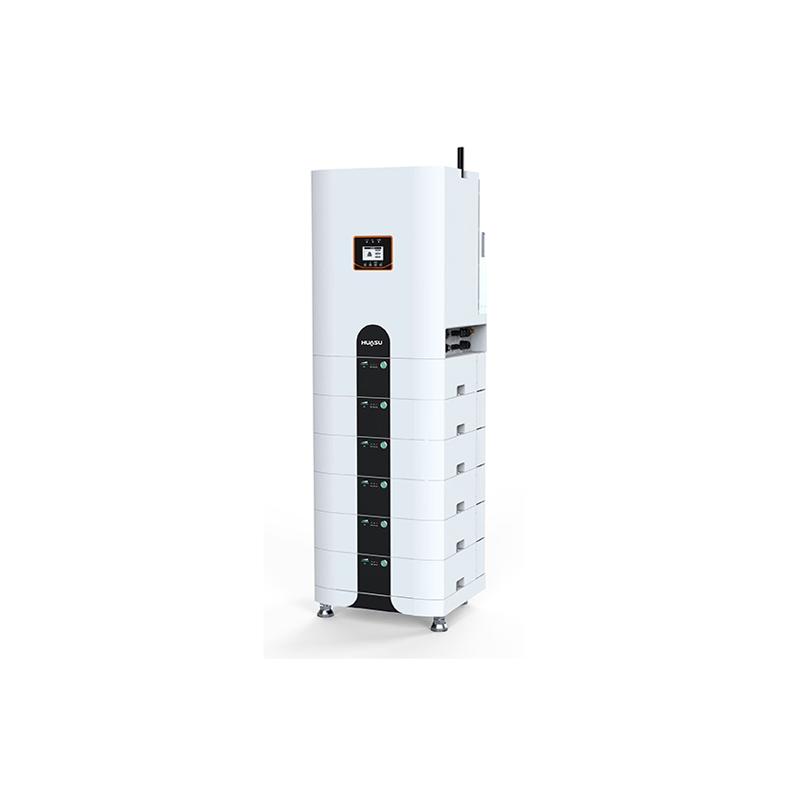
Balancing Innovation with Standardization in Solar Solutions
In the quest for advancing solar energy technologies, the challenge lies in finding the equilibrium between fostering innovation and ensuring standardization. While innovation propels the development of cutting-edge solar solutions, standardization guarantees compatibility and efficiency on a global scale. Solar energy storage, a critical component in this equation, presents a unique opportunity to achieve this balance. To effectively standardize storage solutions worldwide, certain aspects must be considered:
- Compatibility: Ensuring that storage systems can seamlessly integrate with existing and future solar technologies across various regions.
- Safety Standards: Establishing universal safety protocols to protect both consumers and infrastructure.
- Performance Metrics: Defining consistent performance benchmarks to ensure reliability and efficiency.
- Environmental Impact: Creating guidelines that minimize ecological footprints while maximizing resource sustainability.
By meticulously addressing these areas, the solar industry can cultivate a landscape where innovation thrives within the framework of standardized practices. This not only enhances the adaptability and scalability of solar energy solutions but also fosters international cooperation and market growth.

Insights into the Benefits of a Universal Energy Storage Model
Adopting a universal approach to energy storage could transform the solar industry, offering a myriad of advantages. Standardization in this field could lead to significant cost reductions by enabling economies of scale, where manufacturers produce components in larger quantities at reduced costs. This could make solar energy systems more affordable for consumers and encourage widespread adoption. Additionally, a standardized model would simplify the installation and maintenance processes, as technicians worldwide would have a consistent framework to follow, reducing the learning curve and potential for error.
- Enhanced Compatibility: Ensures that different systems can work seamlessly together, facilitating easier upgrades and expansions.
- Streamlined Regulations: A global standard could harmonize regulatory requirements, simplifying compliance and reducing bureaucratic hurdles.
- Improved Innovation: A common platform encourages innovation, as developers can focus on enhancements rather than compatibility issues.
Moreover, a universal energy storage model could pave the way for improved grid stability, as consistent standards enable better integration with existing infrastructure. This harmonization can enhance energy security, ensuring that power supply is reliable and resilient to fluctuations. By embracing a standardized approach, the solar industry can take a significant step towards a more sustainable and efficient future.

Strategic Recommendations for Global Solar Energy Policies
To create a unified approach towards enhancing solar energy adoption, it is crucial to consider a set of strategic recommendations that can guide global policies. Standardizing solar energy storage involves a multifaceted strategy that should prioritize both technological and regulatory aspects. Governments could focus on establishing universal standards for battery performance, durability, and safety, ensuring that innovations in solar technology are compatible across borders. This would not only streamline manufacturing processes but also facilitate international trade and cooperation in the solar sector.
Furthermore, policy frameworks should include incentives to encourage investment in solar energy infrastructure. Key recommendations include:
- Incentivizing R&D: Encourage research and development in advanced storage technologies to improve efficiency and reduce costs.
- International Collaboration: Foster partnerships between countries to share technological advancements and best practices.
- Financial Mechanisms: Implement financial tools such as subsidies or tax credits to make solar storage systems more affordable for both producers and consumers.
By adopting these strategies, countries can work towards a cohesive global approach that not only accelerates the transition to renewable energy but also ensures its sustainability for future generations.
In Retrospect
As the sun dips below the horizon, painting the sky with hues of orange and pink, we find ourselves at the crossroads of a pivotal decision. The question of whether solar energy storage should be standardized worldwide is not merely a matter of technological advancement but a testament to our commitment to a sustainable future. By navigating this complex terrain with an open mind and collaborative spirit, we have the opportunity to illuminate the path forward. As nations grapple with this question, the dialogue we foster today will shape the energy landscape of tomorrow, casting light on a world where the sun’s promise is not just harnessed, but harmonized for the benefit of all.