












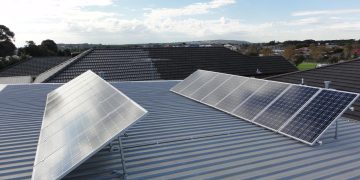

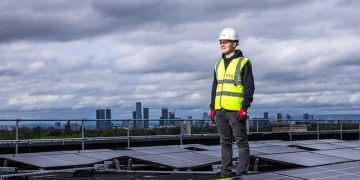




As the sun rises each day, it casts its golden glow across a world increasingly aware of its environmental responsibilities. In this age of climate consciousness, the rooftops of our cities and suburbs are becoming canvases for a new kind of art: solar panels. These sleek, glimmering rectangles have sparked a spirited debate among policymakers, environmentalists, and builders alike. Should solar panels be required on all new constructions, transforming our urban landscapes into sustainable powerhouses, or should the decision remain in the hands of individual builders and homeowners? This question sits at the crossroads of innovation, economics, and environmental stewardship, inviting us to explore the potential benefits and challenges of a solar-powered future. As we delve into this debate, we unravel the threads of sustainability and progress, seeking to understand the role solar energy might play in the architectural tapestry of tomorrow.
Environmental Impact and Sustainability
The integration of solar panels in new constructions presents a compelling opportunity to significantly reduce carbon footprints and promote a sustainable future. By harnessing the power of the sun, these installations can decrease dependency on non-renewable energy sources, thus contributing to the mitigation of climate change. Moreover, solar panels can transform buildings into energy-efficient entities, potentially leading to lower energy costs for homeowners and businesses alike.
From an environmental perspective, there are several advantages to consider:
- Reduction in Greenhouse Gas Emissions: Solar panels generate electricity without emitting harmful pollutants, offering a cleaner alternative to fossil fuels.
- Decreased Reliance on Natural Resources: Utilizing solar energy helps conserve water and reduces the exploitation of finite resources like coal and natural gas.
- Enhanced Energy Independence: With solar panels, communities can produce their own energy, reducing the need for external energy imports and enhancing resilience against energy price fluctuations.
While the initial cost and logistical challenges of installing solar panels may pose obstacles, the long-term environmental benefits make a strong case for their widespread adoption in new constructions.
Economic Considerations and Cost-Benefit Analysis
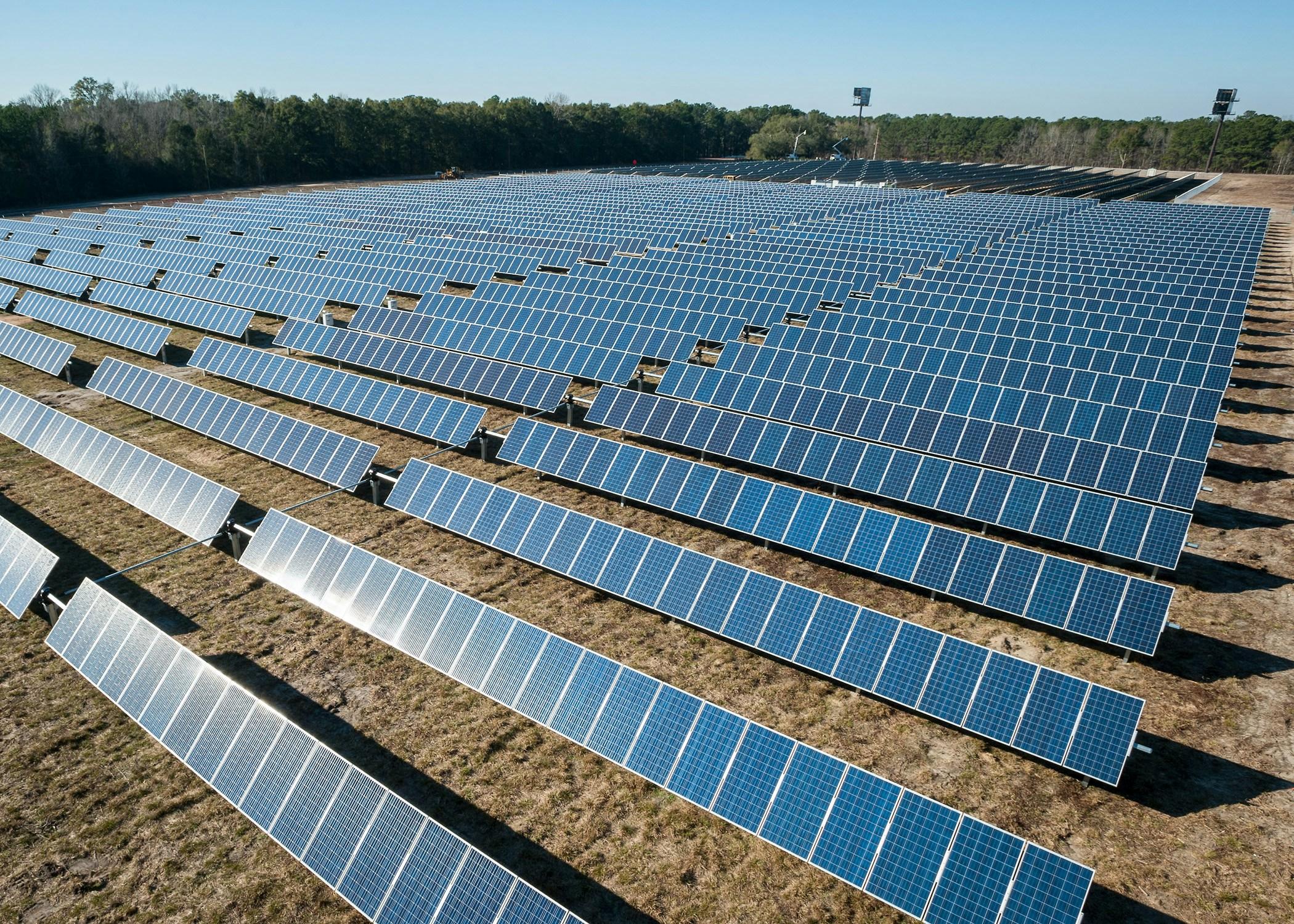
When considering the integration of solar panels into all new constructions, it’s crucial to weigh the economic implications alongside the potential benefits. On the surface, the initial investment may appear daunting, but a deeper dive into the numbers reveals a different story. Cost-benefit analysis becomes a pivotal tool here, allowing stakeholders to evaluate the long-term financial gains against the upfront costs.
- Initial Costs: The installation of solar panels can be a significant financial commitment, often adding thousands to the construction budget. However, advances in technology and increased competition have driven costs down considerably in recent years.
- Long-term Savings: Once installed, solar panels can drastically reduce electricity bills, providing a return on investment that can be realized over a few years. This reduction in utility costs not only benefits homeowners but also enhances property values.
- Incentives and Subsidies: Various government incentives, such as tax credits and rebates, can alleviate the financial burden. These incentives are designed to promote renewable energy adoption and can make solar panels a more attractive option for developers.
- Environmental Impact: Beyond the direct economic benefits, the positive environmental impact—such as reduced carbon footprint and contribution to sustainable energy—adds intangible value to the equation.
while the economic considerations of mandating solar panels in new constructions may appear complex, a well-executed cost-benefit analysis highlights the potential for substantial long-term savings and environmental benefits, which can outweigh the initial costs.

Technological Advancements and Feasibility
The rapid pace of technological advancements in solar energy has made the integration of solar panels into new constructions more feasible than ever before. Modern photovoltaic cells are not only more efficient but also more adaptable to various architectural designs. This adaptability allows for seamless integration into rooftops, facades, and even windows, making them an attractive option for builders and homeowners alike. Moreover, the decrease in production costs has led to a reduction in the overall installation expenses, making solar energy a more financially viable option for new developments.
When considering the feasibility of mandatory solar panels on new constructions, several factors come into play:
- Energy Efficiency: Today’s solar panels boast higher efficiency rates, converting more sunlight into usable energy, which enhances the energy profile of any building.
- Durability and Maintenance: Technological improvements have increased the lifespan and reduced the maintenance needs of solar panels, ensuring long-term reliability.
- Smart Grid Integration: Advances in grid technology facilitate better integration with existing energy systems, allowing for smoother transitions and energy management.
These advancements suggest that requiring solar panels on new constructions is not only technologically possible but could also lead to significant environmental and economic benefits.

Policy Implications and Regulatory Framework
Implementing a mandate for solar panels on all new constructions presents both opportunities and challenges within the existing regulatory landscape. Policy implications must be thoroughly examined to balance the benefits of renewable energy adoption with the potential economic impact on builders and homeowners. Policymakers must consider:
- Economic Incentives: Providing tax credits, rebates, or subsidies to offset the initial costs of solar installation can encourage compliance and ease the financial burden.
- Grid Integration: Establishing guidelines for integrating solar energy into local grids is crucial to ensure stability and efficiency. This includes considering net metering policies and grid infrastructure upgrades.
- Building Standards: Updating building codes to include solar readiness can facilitate a smoother transition, ensuring that new constructions are designed with solar panel installation in mind from the outset.
To ensure effective implementation, a comprehensive regulatory framework must be developed, addressing both local and national considerations. Collaboration between government bodies, industry stakeholders, and community representatives is essential to create policies that are equitable, sustainable, and conducive to widespread solar adoption. By aligning incentives with regulatory measures, the goal of reducing carbon footprints through mandatory solar installations can be achieved without imposing undue hardship on the construction industry or consumers.
Closing Remarks
In the vast tapestry of modern development, the debate over mandating solar panels on new constructions stitches together threads of sustainability, innovation, and practicality. As we stand at the crossroads of tradition and transformation, the decision to harness the sun’s abundant energy through legislation is not merely a question of policy, but a reflection of our commitment to future generations. Whether we choose to mandate solar panels on all new constructions or explore alternative paths, the journey forward must be guided by a balanced blend of environmental stewardship and economic sensibility. As we look to the horizon, the sun continues to rise, offering its light as both a challenge and an opportunity—a beacon for thoughtful progress in the architectural landscape.