












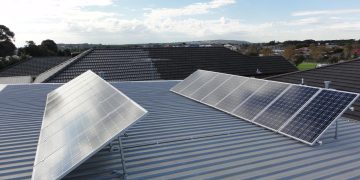






In a world where the sun rises each day with the promise of untapped energy, a quiet revolution is unfolding. Solar leasing, once a novel concept, is now a formidable force reshaping the contours of energy markets globally. This innovative approach to harnessing the sun’s power is democratizing access to renewable energy, allowing homeowners and businesses to embrace solar solutions without the hefty upfront costs traditionally associated with solar panel installations. As this trend gains momentum, it is not just altering how we power our lives, but also challenging long-standing norms in the energy sector. Join us as we explore how solar leasing is illuminating a new path in the energy landscape, blending financial ingenuity with environmental stewardship.
Revolutionizing Access to Renewable Energy Through Solar Leasing
Solar leasing is rapidly transforming how individuals and businesses approach renewable energy solutions. By eliminating the upfront costs associated with solar panel installations, this innovative model makes sustainable energy more accessible than ever. Solar leasing allows consumers to benefit from solar power without the hefty initial investment, paving the way for widespread adoption across various economic demographics. The model typically involves a third-party company that owns and maintains the solar panels, while the user pays a fixed monthly fee, often resulting in lower energy bills compared to traditional utility services.
- No Upfront Costs: Users can access solar energy without the financial barrier of purchasing solar panels.
- Maintenance-Free: The leasing company handles all repairs and maintenance, ensuring hassle-free operation.
- Predictable Energy Costs: Monthly payments are often fixed, allowing for better budget management.
- Environmental Impact: Increases the use of clean energy, reducing reliance on fossil fuels.
This model is not just an economic advantage; it’s a step towards a greener future. By democratizing access to renewable energy, solar leasing plays a pivotal role in reshaping energy markets, encouraging sustainability, and fostering environmental stewardship on a global scale.

Understanding the Financial Dynamics Behind Solar Leasing Models
At the core of the solar leasing model lies a strategic financial architecture that is reshaping the landscape of renewable energy. Solar leasing allows homeowners and businesses to adopt solar energy without the hefty upfront costs typically associated with purchasing solar panels. Instead, a third-party company installs and owns the panels, and the user pays a fixed monthly fee. This approach makes solar energy more accessible, enabling a broader demographic to participate in sustainable practices.
- No Upfront Costs: Leasing eliminates the barrier of initial investment, making solar energy accessible to more people.
- Predictable Expenses: Fixed monthly payments provide financial predictability, contrasting with fluctuating energy bills.
- Maintenance Included: The leasing company typically handles maintenance, reducing the burden on the consumer.
By shifting financial responsibility from consumers to leasing companies, this model not only democratizes access to clean energy but also introduces new competitive dynamics into the energy market. As more consumers opt for leased solar solutions, traditional utility companies face increased pressure to innovate and adapt. This disruption paves the way for a more sustainable energy future, driven by consumer choice and financial inclusivity.

Navigating Regulatory Challenges in the Solar Leasing Landscape
As solar leasing continues to make waves in the energy sector, the regulatory environment is rapidly evolving to keep pace with this disruptive force. Navigating these challenges requires a nuanced understanding of both local and national policies, which can vary significantly. Solar companies must remain vigilant and proactive, ensuring they are compliant with an ever-changing legal landscape. This includes understanding the intricacies of tax incentives, zoning laws, and environmental regulations that can differ from one jurisdiction to another.
- Tax Incentives: While some regions offer lucrative tax breaks for solar installations, others may impose restrictions that could impact leasing models.
- Zoning Laws: Compliance with local zoning laws is critical, as these can affect the placement and scale of solar projects.
- Environmental Regulations: Understanding environmental mandates is crucial, as they can influence both the design and operation of solar installations.
Companies that successfully navigate these regulatory hurdles can unlock substantial growth opportunities, capitalizing on the increasing demand for renewable energy solutions. By staying informed and agile, solar leasing firms can not only survive but thrive in this dynamic market.
Strategies for Consumers: Maximizing Benefits from Solar Leasing
Solar leasing has become a popular avenue for consumers eager to tap into renewable energy without the upfront costs of solar panel installation. To truly maximize the benefits of solar leasing, consumers should consider several strategies that can enhance their experience and savings. Here are a few tips:
- Understand the Terms: Carefully review the lease agreement to comprehend any terms, conditions, and potential fees. Look for clauses related to maintenance, performance guarantees, and the duration of the lease.
- Compare Leasing Companies: Research multiple leasing companies to evaluate the best offers in terms of pricing, customer service, and the reputation of the provider. Don’t shy away from negotiating terms that better suit your needs.
- Monitor Energy Usage: Utilize the monitoring tools provided by your leasing company to keep track of energy production and consumption. This can help you identify patterns and potentially reduce your energy usage.
- Explore Tax Incentives: Although the leasing company typically claims tax credits, consumers should stay informed about any local incentives or rebates that could be applicable to leased solar systems.
By strategically approaching solar leasing, consumers can effectively integrate renewable energy into their lives while ensuring they are reaping the maximum financial and environmental benefits.
Future Outlook
As the sun sets on our exploration of solar leasing and its transformative impact on energy markets, it’s clear that this innovative approach is more than just a fleeting trend. It’s a paradigm shift, lighting the path toward a more sustainable and accessible energy future. By lowering barriers to entry and democratizing access to solar power, leasing models are not only reshaping market dynamics but also empowering individuals and communities to partake in the renewable revolution. As we stand on the brink of this energy evolution, one thing is certain: the sun’s potential is vast, and with solar leasing, we’re harnessing it in ways previously unimaginable. Whether you’re a homeowner, a business leader, or a policy maker, the invitation is open—to join this solar journey and help redefine the future of energy. The sun is rising on a new era; let’s embrace its promise together.