







In the evolving landscape of renewable energy, homeowners stand at a pivotal crossroads when considering how to harness the power of the sun. The decision to either lease or purchase solar panels is not just a financial choice but a commitment to a more sustainable future. As solar technology becomes more accessible and affordable, the question looms larger than ever: Should you lease the sun’s rays, or make them a permanent part of your home? This article delves into the intricacies of solar leasing and purchasing, offering a balanced exploration of both options to illuminate the path toward greener living. Whether you are driven by the allure of immediate savings or the promise of long-term investment, understanding the nuances of each approach is crucial in making an informed decision that aligns with your environmental values and financial goals.
Exploring the Financial Landscape of Solar Leasing and Purchasing
When it comes to embracing solar energy for your home, understanding the financial nuances of both leasing and purchasing is essential. Solar leasing offers a way to harness solar power without the upfront costs, as the provider installs and maintains the system while the homeowner pays a monthly fee. This approach often includes benefits like maintenance coverage and predictable energy costs, making it an attractive option for those seeking immediate savings. However, it’s important to note that the long-term financial benefits may be less compared to owning the system outright.
On the other hand, purchasing a solar system involves a significant initial investment but provides the advantage of owning the equipment. This ownership allows homeowners to benefit from various incentives and tax credits, potentially increasing the property’s value. Additionally, the energy savings over the lifespan of the system can be substantial. Consider the following factors when deciding:
- Initial Cost: Leasing generally requires less upfront capital compared to purchasing.
- Ownership: Purchasing gives full ownership, while leasing means the provider retains ownership.
- Maintenance: Leasing often includes maintenance, whereas purchasing may require additional costs.
- Financial Incentives: Tax credits and incentives are more accessible to purchasers.
Understanding Long-term Benefits and Drawbacks for Homeowners
When weighing the options of solar leasing versus purchasing, homeowners must consider the long-term benefits and drawbacks inherent in each approach. Solar leasing often appeals to those looking to minimize upfront costs, as it usually involves little to no initial investment. However, this option might lead to higher overall costs in the long run due to monthly lease payments, and homeowners might miss out on certain tax incentives or rebates available to solar owners. Moreover, leasing agreements can sometimes complicate property sales, as potential buyers may be deterred by the existing lease obligations.
On the other hand, purchasing solar panels outright offers homeowners full ownership of the system, granting them access to all available financial incentives, such as tax credits and rebates. This path generally results in more significant savings over the system’s lifespan, as there are no recurring payments after the initial investment is recouped. However, the substantial upfront cost can be a barrier for many. Additionally, system maintenance becomes the homeowner’s responsibility, though the reliability of modern panels often minimizes these concerns. Ultimately, the decision hinges on individual financial circumstances, long-term goals, and the desire for ownership versus flexibility.
Evaluating Installation and Maintenance Responsibilities
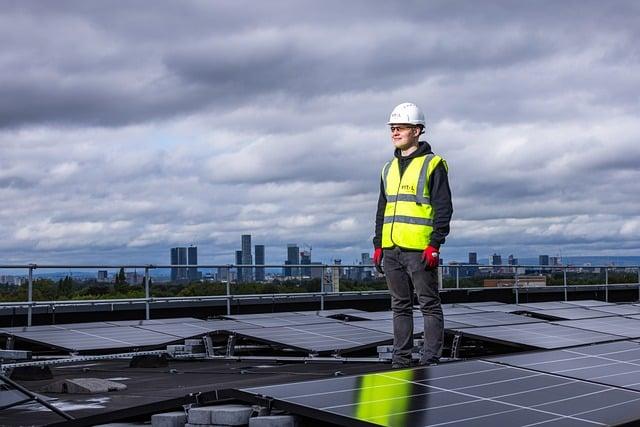
When deciding between solar leasing and purchasing, understanding who shoulders the installation and maintenance responsibilities is crucial. With solar leasing, the leasing company typically takes charge of both installation and ongoing maintenance. This means that homeowners can enjoy a hassle-free experience as the provider ensures that the system is functioning optimally. The benefits include:
- No upfront costs for installation
- Maintenance and repairs covered by the leasing company
- Peace of mind with guaranteed performance monitoring
Purchasing a solar system, on the other hand, places the onus of installation and maintenance directly on the homeowner. While this might sound daunting, it also comes with significant advantages:
- Complete ownership and control over the system
- Potential eligibility for government incentives and tax credits
- Opportunity to choose preferred service providers for maintenance
Ultimately, the choice between leasing and purchasing will depend on your willingness to manage these responsibilities and your long-term financial goals.
Crafting the Best Solar Strategy for Your Home
When considering the transition to solar energy, one of the pivotal decisions homeowners face is whether to lease or purchase their solar panels. Both options come with their own set of advantages and considerations that can impact your long-term energy savings and the value of your home. Understanding these differences is crucial in crafting a strategy that aligns with your financial goals and lifestyle.
Leasing: Solar leasing is often appealing for those who prefer a lower initial cost. It typically involves little to no upfront payment, allowing homeowners to start saving on their energy bills immediately. However, the savings might be less over time compared to purchasing. Key points to consider include:
- No ownership of the solar system.
- Monthly lease payments.
- Potential restrictions on home modifications.
Purchasing: Buying solar panels outright can be a significant investment but offers the benefit of owning the system. This means any incentives, such as tax credits, go directly to the homeowner, potentially increasing overall savings. Important factors to weigh are:
- Higher upfront costs but greater long-term savings.
- Increased home value.
- Full control over your solar system.
Ultimately, the decision between leasing and purchasing should be guided by your financial situation, long-term plans, and energy consumption habits. By evaluating these factors, you can make an informed choice that harnesses the sun’s power most effectively for your home.
Wrapping Up
In the grand tapestry of sustainable living, the decision between leasing and purchasing solar panels for your home is but a single thread. Each option, with its unique blend of advantages and considerations, offers a distinct path toward harnessing the sun’s boundless energy. Whether you choose the flexibility of leasing or the long-term investment of purchasing, the ultimate choice rests upon the unique contours of your financial landscape, lifestyle, and environmental aspirations.
As you stand at this crossroads, remember that both paths lead toward a brighter, greener future—one where your home not only shelters but also sustains. So, weigh your options thoughtfully, consult with experts, and envision the sunlit horizon that awaits. Whatever decision you make, know that you are contributing to a global movement, where every solar-powered home shines as a beacon of hope and progress in our shared journey toward sustainability.