







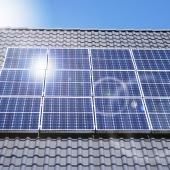




In the ever-evolving landscape of renewable energy, solar technology stands as a beacon of promise and potential. As rooftops and fields increasingly gleam with solar panels, a new contender emerges, poised to transform not just energy consumption but the very aesthetics of solar power: solar skin designs. These innovative overlays promise to blend the utilitarian with the artistic, offering a canvas where technology meets creativity. But as these vibrant panels begin to capture the public’s imagination, a question arises: are solar skin designs a genuine leap forward in energy innovation, or are they merely a colorful distraction—a gimmick in the green revolution? In this exploration, we delve into the science, the art, and the future implications of solar skin technology, weighing its potential to reshape our relationship with renewable energy.
Exploring the Aesthetics and Functionality of Solar Skin Designs
Solar skin designs are transforming the perception of solar panels from purely functional elements to objects of aesthetic appeal. These innovative designs allow solar panels to seamlessly blend into the architectural landscape, whether mimicking the appearance of traditional roofing materials or adopting more avant-garde looks. By integrating visual appeal with functionality, solar skins aim to overcome one of the main barriers to solar adoption: the aesthetic disruption of building facades.
Key Features of Solar Skin Designs:
- Customization: Tailored designs that can replicate various textures and colors.
- Efficiency: While aesthetics are prioritized, maintaining high energy conversion rates remains crucial.
- Durability: Engineered to withstand environmental factors without compromising visual integrity.
- Sustainability: Incorporates eco-friendly materials and processes.
By merging form and function, solar skin designs challenge the notion of solar panels as eyesores, offering a more integrated approach to sustainable architecture.
The Science Behind Solar Skins: Efficiency and Performance Insights
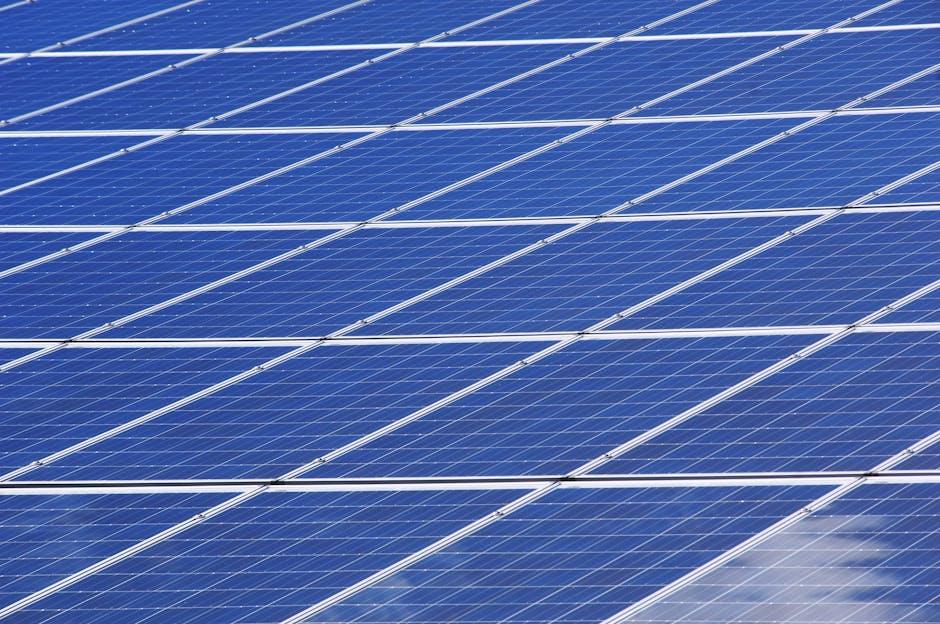
The concept of solar skins, or photovoltaic skins, is revolutionizing the integration of solar technology into modern architecture and design. Unlike traditional solar panels, solar skins are designed to seamlessly blend with the surfaces they cover, offering a more aesthetically pleasing solution. This innovation leverages advanced materials and cutting-edge technology to maintain high levels of energy efficiency while minimizing visual impact. At the core of their design, solar skins incorporate thin-film solar cells, which are known for their flexibility and lightweight nature, making them ideal for a variety of applications, from rooftops to building facades.
One of the key performance insights lies in the customizability of these skins. They can be tailored to mimic the appearance of various materials such as wood, stone, or even grass, without compromising their energy-harvesting capabilities. The technology behind solar skins involves the use of optically transparent adhesives and specialized coatings that not only protect the cells but also enhance light absorption. This results in a product that can compete with traditional panels in terms of efficiency while offering additional design flexibility. While the efficiency of solar skins may not yet match that of conventional panels, ongoing research and development are rapidly closing this gap, promising a future where form and function coexist harmoniously.

Navigating Market Trends: Consumer Reception and Industry Adoption
In the rapidly evolving landscape of renewable energy, the concept of solar skin designs is capturing the attention of both consumers and industry professionals. At the intersection of aesthetics and functionality, these innovative designs are poised to redefine how we integrate solar technology into our daily lives. Consumer reception to solar skin designs has been mixed, with some praising their ability to blend seamlessly into the architectural fabric of modern buildings, while others question their efficiency compared to traditional solar panels.
From an industry adoption perspective, several factors influence the integration of solar skin technology:
- Cost-Effectiveness: Initial investments can be higher, but potential long-term savings are attractive.
- Efficiency: Ongoing improvements in technology aim to bridge the gap between aesthetic appeal and energy output.
- Regulatory Support: Incentives and policies can accelerate adoption by offsetting upfront costs.
- Customization: The ability to tailor designs to specific architectural needs enhances market appeal.
As the market navigates these trends, the ultimate success of solar skin designs will depend on their ability to deliver both aesthetic value and energy efficiency, proving whether they are a fleeting gimmick or a lasting innovation.
Evaluating the Future: Strategic Recommendations for Solar Skin Integration
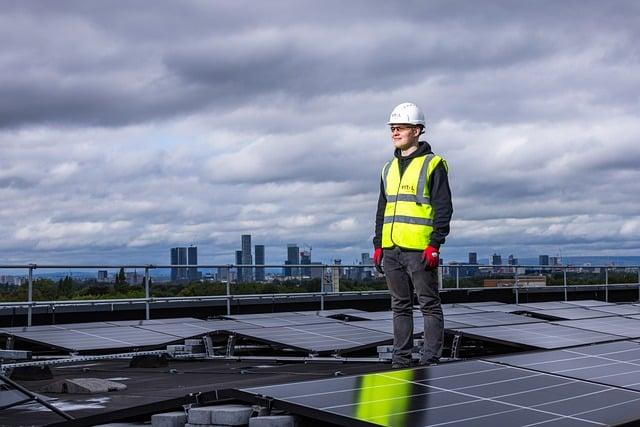
To harness the potential of solar skin designs, it is imperative to adopt a multifaceted strategic approach. This involves considering technological advancements, market trends, and consumer preferences. Developers should focus on integrating cutting-edge materials that enhance energy efficiency while maintaining aesthetic appeal. Meanwhile, collaboration with architects and designers can lead to innovative applications in urban landscapes.
Key Recommendations:
- Invest in R&D to explore new materials and coatings that improve durability and energy conversion efficiency.
- Engage with stakeholders to better understand and anticipate market demands and regulatory changes.
- Promote education and awareness to build consumer trust and interest in solar skin technology.
- Create adaptable designs that can be customized for various architectural styles and client needs.
By focusing on these strategic elements, solar skin designs can transition from being perceived as a niche innovation to becoming a mainstream component of sustainable architecture.
In Retrospect
As the sun sets on our exploration of solar skin designs, the question remains: are they merely a flashy gimmick or a beacon of true innovation? The answer, it seems, lies in the eye of the beholder. For some, these vibrant, energy-harnessing facades represent the dawn of a new era in sustainable architecture, where aesthetics and functionality coexist harmoniously. For others, they may appear as fleeting novelties, not yet ready to outshine traditional solar solutions.
What is undeniable, however, is the conversation they ignite—pushing us to reconsider the boundaries of design and energy. As technology advances and the world continues its quest for sustainable solutions, the role of solar skin designs in our future remains an open chapter, inviting innovators and skeptics alike to contribute their perspectives. Whether they become a cornerstone of eco-friendly living or simply a stepping stone on the path to greater discoveries, their presence in the discourse on renewable energy is a testament to human creativity and the relentless pursuit of a brighter tomorrow.
And so, as we ponder the possibilities, we are reminded that innovation often begins with bold ideas that challenge the status quo, leaving us to wonder: what other unconventional paths might we explore in our quest for sustainability?