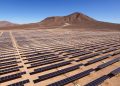




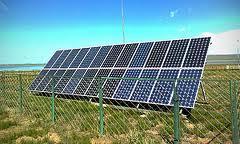





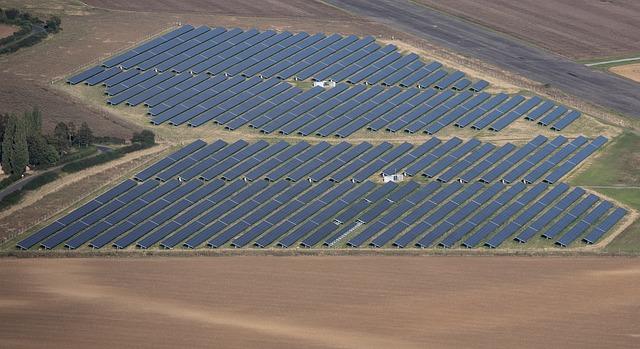
In the quest for renewable energy solutions, solar farms have emerged as gleaming beacons of hope, promising a cleaner, greener future. These sprawling arrays of photovoltaic panels stretch across landscapes, harnessing the sun’s rays to generate electricity without the carbon footprint of their fossil-fuel counterparts. Yet, beneath this optimistic horizon lies a burgeoning debate that stirs both environmentalists and local communities alike: Are solar farms inadvertently posing a threat to our precious groundwater supplies? As we delve into the heart of this issue, we aim to illuminate the complex interplay between solar technology and water resources, exploring whether these bastions of sustainability might cast shadows on the very ecosystems they strive to protect. Join us as we navigate the intricate terrain of science, policy, and ecology to uncover the truths that lie beneath the surface.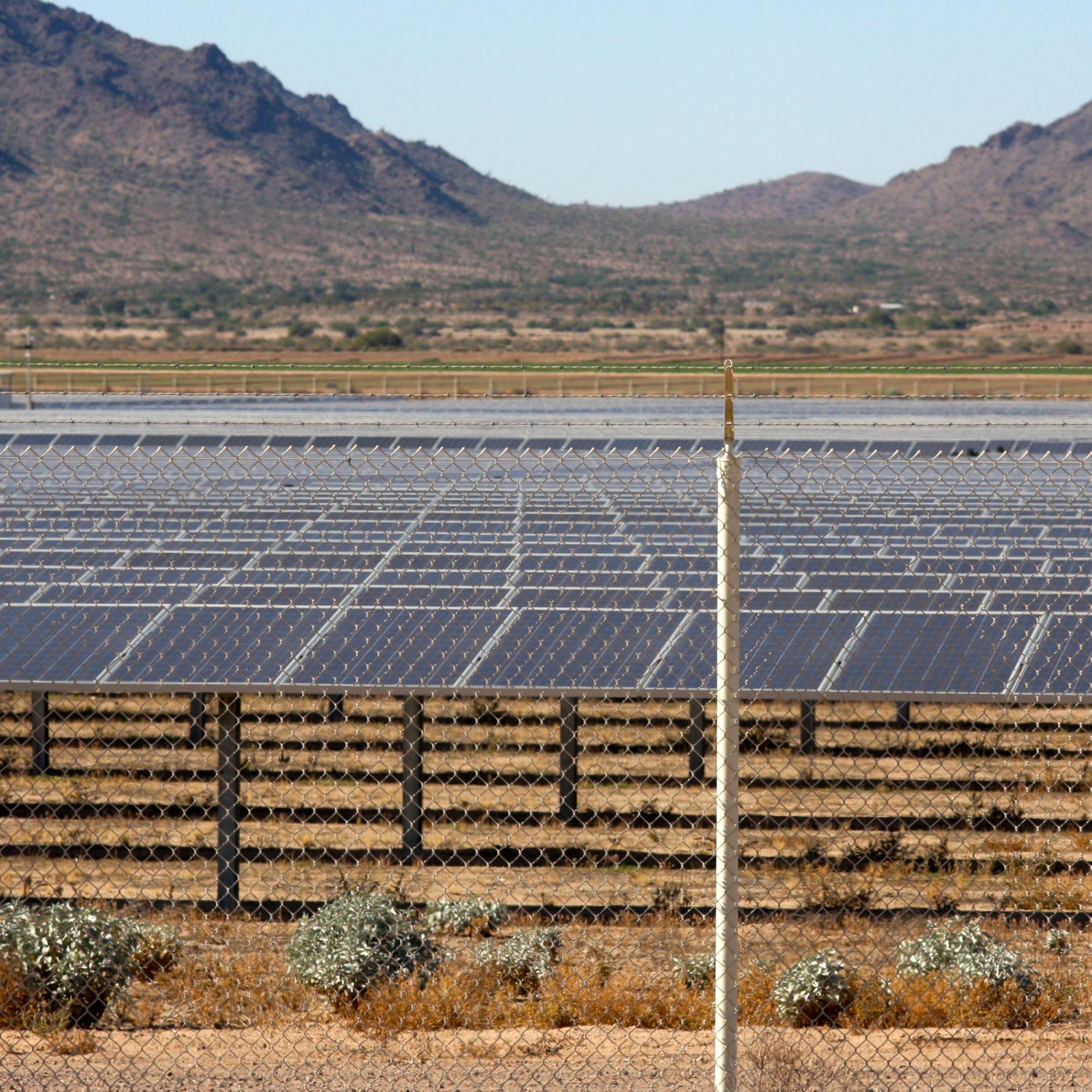
Balancing Renewable Energy and Water Resources Understanding the Environmental Impact of Solar Farms Exploring the Connection Between Solar Farms and Groundwater Assessing Strategies to Mitigate Potential Water Risks
The growth of solar farms is a beacon of hope in the quest for sustainable energy solutions, yet it is imperative to examine their environmental implications, particularly concerning groundwater resources. While solar farms themselves consume minimal water compared to other energy sources, their installation and maintenance can inadvertently affect groundwater supplies. The process of land clearing and soil compaction may alter natural water absorption and runoff patterns, potentially leading to changes in the local water table.
Strategies to Mitigate Potential Water Risks:
- Implementing permeable ground surfaces beneath solar panels to enhance water infiltration.
- Adopting vegetative buffers around installations to stabilize soil and prevent erosion.
- Conducting regular hydrological assessments to monitor changes in groundwater levels.
- Designing solar farms with a focus on minimal land disturbance and preservation of natural landscapes.
By integrating these practices, solar farms can coexist harmoniously with the surrounding ecosystems, ensuring that the pursuit of renewable energy does not compromise vital water resources.
To Conclude
As the sun dips below the horizon, casting long shadows across the sprawling solar arrays, the conversation about their impact on groundwater supplies remains illuminated. The question of whether solar farms pose a significant threat to these vital water reserves is far from settled, reflecting a broader dialogue between innovation and conservation.
In this interplay of light and water, it is clear that the path forward requires a delicate balance. Researchers, policymakers, and communities must continue to scrutinize the available data, seeking sustainable solutions that harmonize energy needs with environmental stewardship. Just as solar panels capture sunlight to transform it into power, so too must we capture knowledge to guide us towards a future where renewable energy and natural resources coexist in harmony.
As we ponder the potential ripples of solar expansion, the narrative of progress is still being written. With vigilance and collaboration, we can ensure that our pursuit of a greener tomorrow does not inadvertently cast a shadow over the very resources that sustain us.