















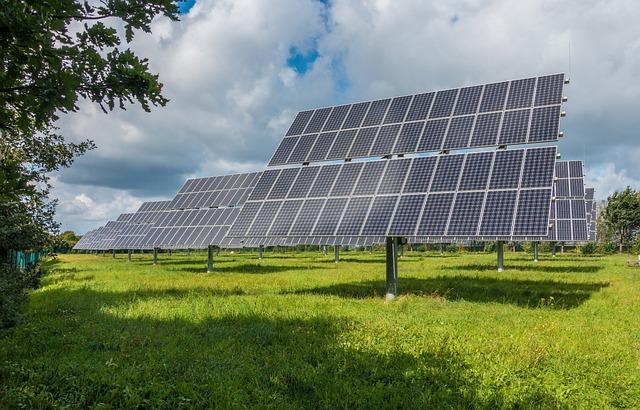
In an era where the sun’s rays are harnessed to power our homes, solar energy stands as a beacon of hope for a sustainable future. As more households turn to solar solutions, the allure of solar leases becomes increasingly attractive, offering the promise of green energy without the hefty upfront costs. Yet, beneath the gleaming surface of this modern energy revolution, a shadow of complexity lingers. Are these solar leases truly the golden ticket they appear to be, or do they cloak hidden costs that could dim their appeal? This article delves into the intricacies of solar leases, unraveling the threads of potential financial pitfalls and shedding light on what consumers need to know before they sign on the dotted line.
Hidden Charges in Solar Leasing Contracts
When considering a solar lease, many consumers focus on the promise of reduced energy bills and eco-friendly energy production. However, the fine print of these agreements often contains a range of charges that can catch consumers off guard. These hidden costs might not be immediately apparent, and they can significantly impact the overall savings one might expect from switching to solar energy.
- Escalation Clauses: Some leases include annual price increases, which can erode savings over time.
- Maintenance Fees: While solar systems are generally low-maintenance, some contracts may include unexpected fees for routine upkeep.
- Transfer Fees: If you decide to sell your home, transferring the lease to the new owner might come with additional costs.
- End-of-Lease Options: The conclusion of your lease could bring hefty charges if you choose to buy the system or remove it entirely.
It’s crucial for consumers to meticulously review their solar lease agreements and clarify any ambiguous terms before committing. Understanding these potential pitfalls can help avoid financial surprises and ensure that going solar truly aligns with one’s financial goals.

Understanding the Financial Implications of Solar Leases
For many homeowners, the allure of installing solar panels without the hefty upfront cost makes solar leases an attractive option. However, it’s crucial to delve deeper into the financial intricacies these leases entail. Unlike purchasing solar panels outright, leasing often comes with long-term contracts that can span 20 years or more, during which time you’re committed to monthly payments. These agreements might initially seem cost-effective, but they often come with annual price escalations that could significantly increase your monthly outlay over time.
When evaluating a solar lease, consider the following financial implications:
- Escalation Clauses: Many leases include annual price increases, which could outpace the savings from reduced energy bills.
- Ownership: You do not own the solar panels, which means you might miss out on tax credits and incentives.
- Property Sale Complications: Selling your home could be complicated by the lease, as the new owner would need to assume it or you might have to pay a hefty cancellation fee.
Understanding these potential pitfalls can help you make a more informed decision, ensuring that the promise of renewable energy doesn’t come with unexpected financial burdens.
Navigating the Fine Print: What Consumers Need to Know
When considering a solar lease, consumers are often drawn to the promise of sustainable energy with no upfront costs. However, it’s crucial to look beyond the enticing advertisements and delve into the fine print of these agreements. Hidden within the pages, there may be details that significantly impact your financial commitment over time. Here are a few key aspects to watch out for:
- Escalation Clauses: Many leases include an annual increase in payments. Make sure to understand how this could affect your budget in the long term.
- Maintenance and Repairs: Determine who is responsible for the upkeep of the solar panels. Unexpected maintenance costs can add up quickly.
- End-of-Lease Options: Be clear on what happens at the end of the lease term. Will you have the option to buy the panels, or will they be removed at your expense?
- Transferability: If you plan to sell your home, check if the lease is transferable to the new homeowner, as this can affect your property’s marketability.
By carefully reviewing these elements, consumers can better navigate the complexities of solar leases and make informed decisions that align with their financial and environmental goals.

Empowering Consumers with Transparent Solar Lease Information
In today’s rapidly evolving energy landscape, ensuring that consumers are well-informed about the financial commitments involved in solar leases is crucial. A lack of transparency can lead to misunderstandings, especially regarding the long-term implications of these agreements. Companies can empower consumers by providing clear, concise information about potential costs, savings, and benefits. This approach not only fosters trust but also aids in making informed decisions that align with personal financial goals and environmental values.
To enhance transparency, companies should consider adopting the following practices:
- Break down all costs: Provide a detailed list of all fees, including maintenance and service charges, to avoid unexpected expenses.
- Clarify terms and conditions: Use straightforward language to explain the contract terms, focusing on any potential escalations in lease payments over time.
- Highlight financial incentives: Clearly outline any government or state incentives that could affect the overall cost of the lease.
- Offer comparison tools: Provide tools or calculators that allow consumers to compare leasing options with purchasing or other financing methods.
By implementing these strategies, companies can create a more transparent and trustworthy solar leasing market, ultimately benefiting both the industry and its consumers.
Future Outlook
As we draw the curtains on our exploration of solar leases and their often elusive costs, it’s clear that the landscape is as complex as it is promising. The allure of harnessing the sun’s energy without the upfront burden is undeniably attractive, yet it demands a discerning eye to navigate the fine print and nuanced terms that accompany these agreements. In a world where sustainability is paramount, the balance between immediate savings and long-term value becomes a pivotal consideration.
Ultimately, the true cost of a solar lease extends beyond dollars and cents, inviting consumers to weigh the environmental benefits against potential financial pitfalls. As we move forward in our quest for cleaner energy, informed decision-making remains our greatest ally. Whether you’re standing on the precipice of a solar investment or simply contemplating the possibilities, remember that knowledge illuminates the path ahead. With the sun as both guide and goal, may your journey towards energy independence be as clear and bright as the day.