






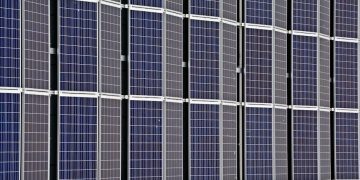
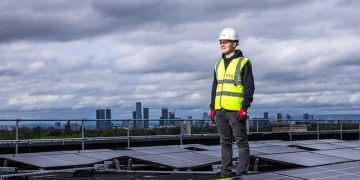





In an era where the sun’s rays are being harnessed to power everything from calculators to homes, a new frontier is dawning on the horizon: solar energy contributes to climate change solutions”>solar-powered transportation
Revolutionizing Travel: The Latest Innovations in Solar-Powered Vehicles
In recent years, advancements in solar technology have transformed the landscape of eco-friendly transportation. From sleek, aerodynamic cars to innovative buses and even solar-assisted aircraft, the integration of solar power into vehicles is paving the way for a cleaner future. Solar panels are now being designed to seamlessly blend into the vehicle’s body, allowing for greater energy efficiency without compromising aesthetics. These breakthroughs not only enhance the vehicle’s energy autonomy but also contribute to reducing our carbon footprint.
Among the most exciting innovations are:
- Flexible solar panels that can contour to the curves of the vehicle, optimizing energy capture.
- Enhanced battery storage solutions that extend travel distances between charges.
- Smart energy management systems that maximize efficiency by adjusting power distribution in real-time.
- Lightweight materials that improve overall vehicle efficiency without sacrificing durability.
These developments are not only revolutionizing how we travel but are also inspiring a new generation of environmentally conscious engineers and designers.
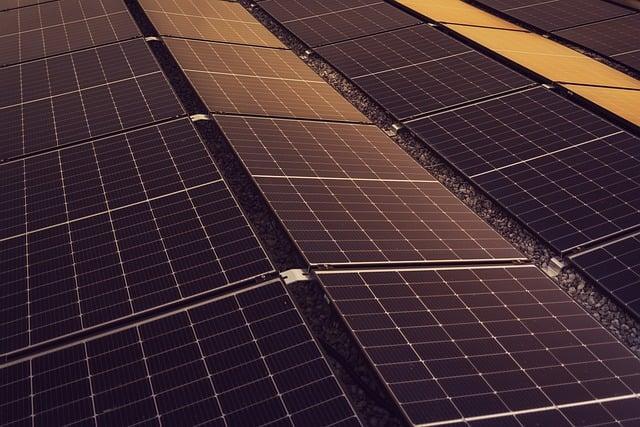
Harnessing the Sun: How Solar Energy is Transforming Public Transit
In recent years, the public transit sector has witnessed a remarkable shift towards sustainability, with solar energy leading the charge. This renewable power source is revolutionizing how we think about mass transportation, introducing eco-friendly solutions that are both innovative and efficient. Cities around the globe are embracing solar technology to power buses, trains, and even ferry systems, reducing their carbon footprint and operational costs. By integrating photovoltaic panels into transit infrastructures, we are witnessing a transformation in urban mobility that is as promising as it is sustainable.
- Solar-Powered Buses: Cities like Los Angeles and London are testing buses equipped with solar panels on their roofs, which power auxiliary systems such as lighting and air conditioning.
- Solar Train Stations: Major train stations are installing solar canopies, providing clean energy to the grid and offering shade to commuters.
- Electric Ferries: Coastal cities are experimenting with ferries powered by solar-charged batteries, drastically cutting emissions.
The integration of solar technology into public transit systems not only enhances energy efficiency but also encourages a greener future. By adopting these innovative solutions, cities are setting a precedent for sustainable urban development, paving the way for a cleaner, more environmentally conscious world.
Challenges and Triumphs: Navigating the Path to Solar Transportation
As the quest for sustainable energy solutions intensifies, the journey towards integrating solar power into transportation systems presents both daunting challenges and exhilarating triumphs. The complexities lie in harnessing solar energy efficiently, ensuring that the power captured can sustain vehicles over long distances and varied terrains. Efficiency and storage capacity are pivotal hurdles; developing advanced photovoltaic cells that maximize energy absorption and improving battery technology to store this energy are crucial steps.
Despite these challenges, significant breakthroughs are propelling us closer to a solar-powered future. The creation of lightweight materials for solar panels and vehicles has reduced overall energy consumption. Innovations in solar tracking systems ensure that panels can capture maximum sunlight, enhancing energy efficiency. Furthermore, successful pilot projects have demonstrated the potential of solar transportation in urban environments, offering a glimpse into a cleaner, greener future. Key triumphs include:
- Development of high-efficiency solar cells with improved energy conversion rates.
- Implementation of solar-integrated roads that generate power for surrounding infrastructure.
- Advancements in hybrid systems combining solar and electric power for extended range and reliability.

Practical Steps for Adopting Solar-Powered Solutions in Urban Mobility
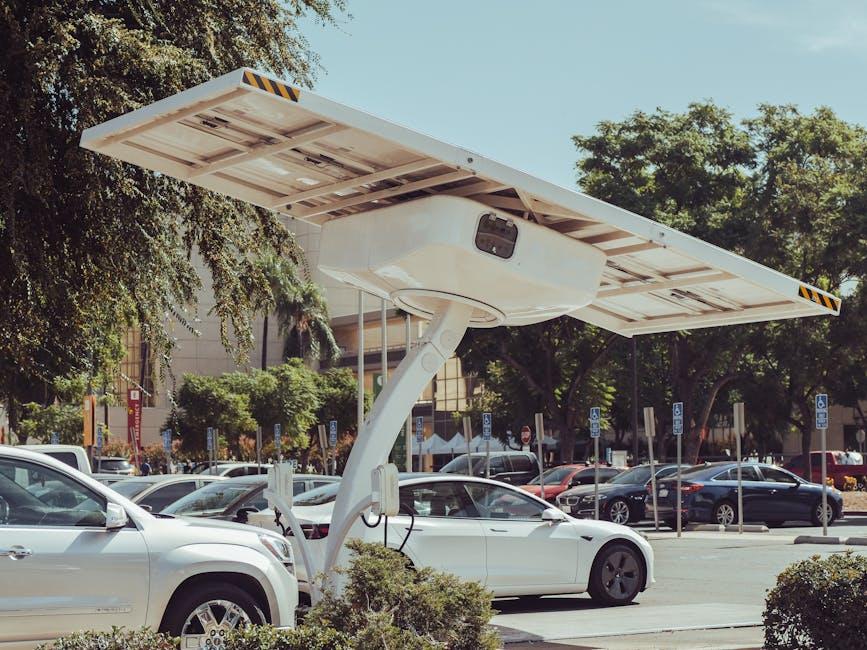
To effectively integrate solar-powered solutions into urban mobility, it is essential to start with a strategic approach that considers both infrastructure and community needs. Begin by assessing current transportation systems to identify areas where solar integration is most feasible. This might include public transit systems, bike-sharing programs, or electric vehicle charging stations. Once opportunities are pinpointed, collaborate with city planners and local government to establish supportive policies and incentives that encourage adoption. Moreover, public awareness campaigns can play a pivotal role in fostering community buy-in and enthusiasm for these sustainable initiatives.
- Invest in Scalable Technologies: Focus on solutions that can grow with urban demand, such as modular solar panels and battery storage systems.
- Utilize Smart Grid Technology: Implement smart grid systems to efficiently manage and distribute solar energy across the urban landscape.
- Prioritize Multi-Modal Connectivity: Ensure solar solutions enhance connections between different modes of transport, improving overall efficiency.
- Engage with Local Stakeholders: Involve community groups, businesses, and technology providers in the planning and execution stages to ensure diverse perspectives and needs are addressed.
By embracing these practical steps, cities can transition towards a more sustainable and efficient urban mobility system, leveraging the power of the sun to drive transformative change.
To Conclude
As we stand on the cusp of a new era in solar-powered transportation, the horizon is illuminated with possibilities that stretch as far as the eye can see. The breakthroughs we’ve explored today are not merely technological advancements; they are harbingers of a cleaner, more sustainable future. These innovations beckon us to imagine a world where our journeys are powered by the very light that nourishes our planet, where the hum of engines is replaced by the whisper of the wind and the warmth of the sun. As researchers, engineers, and dreamers continue to push the boundaries of what’s possible, one thing is certain: the path ahead is bright. So let us look to the skies and dream boldly, for the sunlit roads of tomorrow await.