


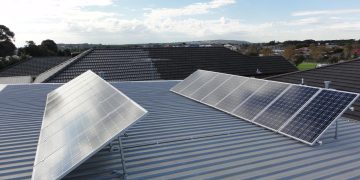
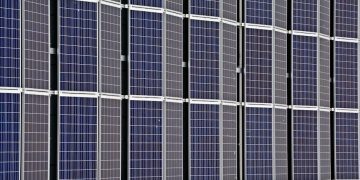
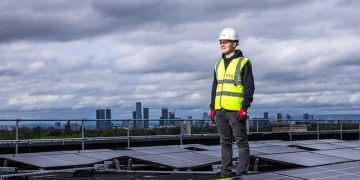



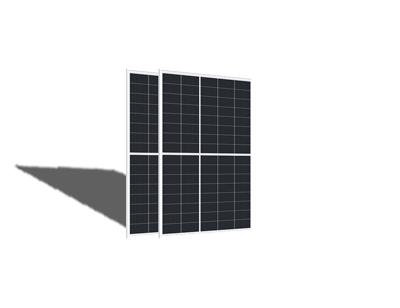
In the ever-evolving landscape of renewable energy, solar power continues to shine as a beacon of sustainability and innovation. Among the myriad advancements in solar technology, bifacial solar panels have emerged as a promising contender, capturing the interest of both industry experts and environmentally conscious consumers. Unlike their traditional counterparts, bifacial panels have the unique ability to absorb sunlight from both sides, potentially increasing energy yield. However, this innovative feature comes with a heftier price tag, prompting the question: Are bifacial solar panels worth the extra investment? In this article, we delve into the mechanics, benefits, and economic considerations of bifacial solar panels to illuminate whether their dual-sided allure justifies the financial leap.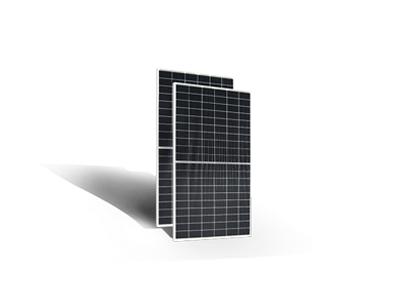
Exploring the Mechanics Behind Bifacial Solar Technology
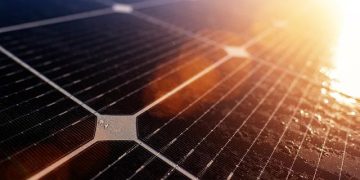
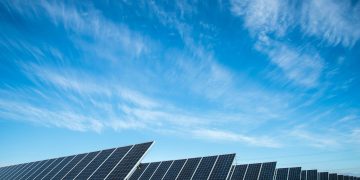
Bifacial solar technology is an innovative leap in photovoltaic systems, offering an enhanced efficiency that traditional panels struggle to match. These panels are designed to capture sunlight from both sides, significantly increasing the amount of energy harnessed. The dual-sided nature means they can capitalize on reflected light from surfaces such as rooftops, water, or even snow. The result? Potentially higher energy yields, particularly in environments where ground reflectivity is high.
- Increased Energy Output: By capturing light from both sides, these panels can produce up to 20% more electricity compared to their monofacial counterparts.
- Durability: Typically built with glass on both sides, bifacial panels often exhibit greater durability and longevity.
- Versatility: They are highly adaptable, working efficiently in a variety of installations, from rooftop setups to ground-mounted arrays.
While the upfront cost might be higher, the long-term benefits, including reduced energy bills and enhanced durability, could make bifacial panels a savvy investment. However, their effectiveness can vary based on location and installation conditions, necessitating a careful assessment before committing to the extra expense.
Comparing Costs: Traditional vs. Bifacial Solar Panels
When examining the financial implications of installing solar panels, it’s essential to consider both traditional and bifacial solar panels. Traditional solar panels, known for their single-sided photovoltaic cells, have long been the industry standard due to their cost-effectiveness and established technology. They are typically less expensive upfront, making them a popular choice for those on a budget. However, they have limitations in energy absorption, primarily capturing sunlight from one side only.
On the other hand, bifacial solar panels offer a more advanced design, capturing sunlight from both sides. This ability can potentially increase energy generation by up to 20%, depending on the installation environment and ground reflectivity. While the initial investment for bifacial panels is generally higher, the potential for increased energy output can lead to greater savings over time. Here are some key points to consider:
- Installation Costs: Higher for bifacial panels due to their advanced technology.
- Energy Efficiency: Bifacial panels can generate more energy, especially in reflective environments.
- Long-term Savings: The increased efficiency of bifacial panels can result in lower energy bills, offsetting the initial cost over time.
Weighing these factors can help determine whether the long-term benefits of bifacial panels justify the higher initial expense compared to traditional options.
Maximizing Energy Efficiency with Bifacial Panels
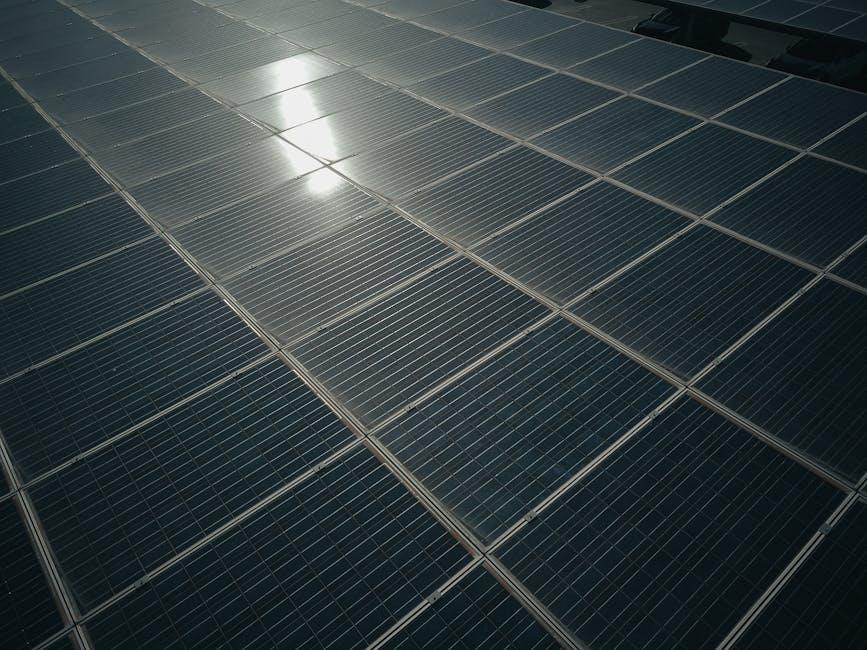
Bifacial solar panels are revolutionizing the way we think about harnessing the sun’s energy. Unlike traditional solar panels, these innovative designs capture sunlight from both sides, significantly boosting energy output. The secret lies in their ability to utilize reflected light from surfaces like rooftops or the ground, making them an attractive option for maximizing energy efficiency.
- Increased Output: Bifacial panels can produce up to 30% more energy compared to their monofacial counterparts.
- Versatile Installation: They perform exceptionally well in various environments, from rooftops to open fields.
- Durability: Typically designed with robust materials, these panels are built to withstand harsh weather conditions.
While the initial investment might be higher, the long-term benefits of bifacial panels can offer substantial returns. With growing interest in sustainable energy solutions, these panels are paving the way for a more efficient and environmentally friendly future.

Expert Recommendations for Investing in Bifacial Solar Systems
When considering an investment in bifacial solar systems, experts suggest weighing several critical factors. Firstly, assess the site-specific conditions. Bifacial panels are most effective in environments with high albedo surfaces, such as snow or white rooftops, which can reflect sunlight onto the rear side of the panels. Additionally, consider the orientation and tilt of the panels; optimal installation can significantly enhance energy yield. Experts also recommend a thorough cost-benefit analysis, taking into account the potential increase in energy output versus the higher initial cost compared to monofacial panels.
- Durability and Maintenance: Bifacial panels generally have robust designs and lower maintenance needs, which can lead to long-term savings.
- Technological Advancements: Keep an eye on evolving technologies that may further enhance the efficiency and cost-effectiveness of bifacial systems.
- Incentives and Policies: Investigate local and national incentives that could offset the initial investment costs, making bifacial systems more financially viable.
The Conclusion
In the ever-evolving landscape of renewable energy, the question of whether bifacial solar panels justify their additional cost remains a nuanced debate. As the sun dips below the horizon, casting its final golden rays, the promise of harnessing every photon lingers in the twilight. Bifacial panels, with their dual-sided ingenuity, offer a glimpse into a future where efficiency and innovation walk hand in hand. Yet, as with any investment, the decision is deeply personal, shaped by individual needs, environmental goals, and financial considerations. As we stand at this crossroads, it is clear that the path forward is not one-size-fits-all but rather a tapestry of choices woven by the unique circumstances of each solar pioneer. whether one opts for the traditional or the trailblazing, the pursuit of sustainable energy remains a journey well worth embarking upon.