















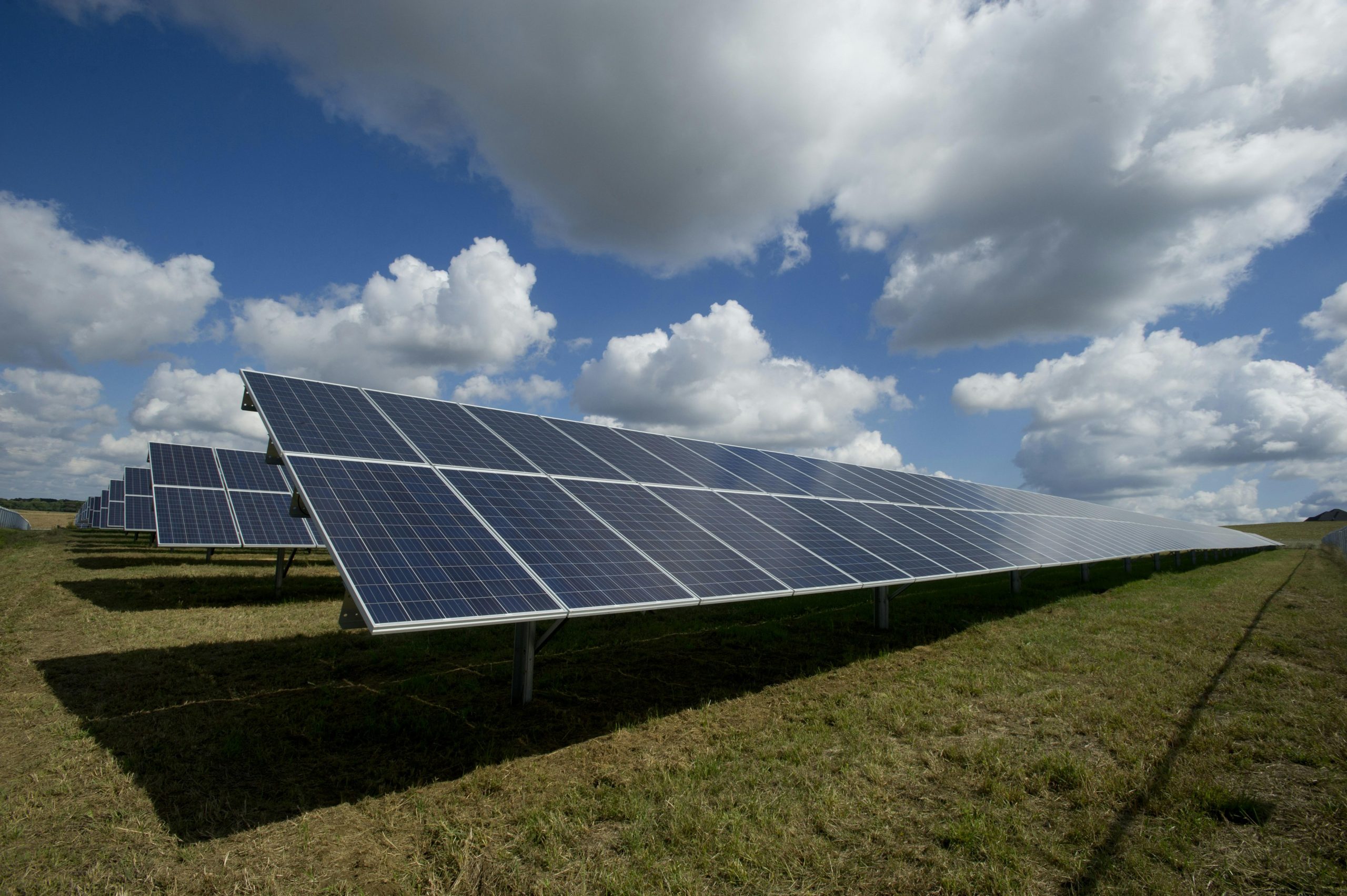
In the shimmering promise of a sustainable future, solar energy stands as a beacon of hope, capturing the imagination of a world eager to pivot away from fossil fuels. Yet, beneath the gleaming panels and ambitious renewable targets, a shadowy narrative unfolds—a tale of labor rights potentially overlooked amidst the relentless pursuit of green progress. As the solar industry races to harness the power of the sun, questions emerge from the depths of its supply chains: Are the workers who craft the components of this bright future afforded the rights and protections they deserve? This article delves into the intricate web of the solar sector’s supply networks, examining whether the industry’s dazzling ascent might be casting a blind eye on the fundamental human rights of its workforce. Join us as we explore the balance between innovation and ethical responsibility in the race toward a cleaner, more sustainable world.
Unearthing the Shadows of Solar Supply Chains
In the quest for clean energy, the solar industry has soared to new heights, promising a greener future. Yet, beneath this bright promise lies a complex web of supply chains, often shrouded in obscurity. As the world races to harness the power of the sun, the path from raw material to rooftop is fraught with challenges, especially regarding labor rights. While the industry’s environmental benefits are well-touted, the ethical implications of its supply chains remain in the shadows. Are workers’ rights being sidelined in the pursuit of solar dominance? This pressing question invites a closer examination of the practices that underpin the industry.
The heart of the issue lies in the opaque nature of global supply chains, where transparency is often sacrificed for cost efficiency. The extraction and processing of essential materials like silicon, copper, and rare earth elements can involve labor practices that are far from ethical. Considerations that often go unaddressed include:
- Labor conditions in mining regions: Are workers provided with safe environments and fair wages?
- Child labor: In some regions, young workers are employed in harsh conditions, raising ethical concerns.
- Regulatory oversight: How effectively are labor standards enforced across borders?
To truly embrace a sustainable future, the solar industry must not only champion environmental responsibility but also commit to ethical labor practices. By shedding light on these shadows, we can work towards a solar revolution that respects both the planet and its people.

Navigating Ethical Dilemmas in Solar Manufacturing
The solar industry, often celebrated for its contribution to sustainable energy, faces complex ethical challenges in its supply chains. A significant concern is the potential neglect of labor rights, particularly in regions where manufacturing practices are less transparent. Workers’ rights in these supply chains can be compromised by factors such as:
- Inadequate working conditions and safety measures
- Excessive working hours without fair compensation
- Lack of freedom to organize or unionize
- Child labor in the production of raw materials
While the demand for solar panels grows, so does the need for companies to implement robust corporate social responsibility (CSR) policies. Ensuring ethical labor practices requires not only compliance with international labor standards but also active auditing and transparent reporting. By addressing these ethical dilemmas, the solar industry can reinforce its commitment to sustainability beyond environmental impact, paving the way for a more just and equitable energy future.
Balancing Progress with Human Rights Advocacy
The solar industry stands at the forefront of renewable energy, promising a brighter and more sustainable future. However, as it races to meet growing demands, there’s a crucial need to examine the human cost embedded within its supply chains. Labor rights violations, often concealed behind the sheen of innovation, present a serious concern that cannot be overlooked. From the extraction of raw materials to the assembly of solar panels, each stage of production has the potential to impact workers’ rights. Reports have highlighted issues such as:
- Excessive working hours and insufficient rest periods.
- Inadequate wages that fail to meet basic living standards.
- Unsafe working conditions that jeopardize the health and safety of employees.
Balancing technological advancement with the protection of human rights requires a vigilant approach. Industry leaders and policymakers must collaborate to enforce stringent labor standards and transparency within the supply chain. This dual commitment to progress and ethics ensures that the solar industry’s growth does not come at the expense of those who power it.

Strategies for Ensuring Fair Labor Practices in Solar
As the solar industry continues its rapid growth, ensuring fair labor practices within its supply chains has become a pressing concern. Transparency is crucial; companies must actively audit their supply chains to identify and rectify labor rights violations. This involves regular inspections, third-party evaluations, and the establishment of clear communication channels with suppliers. Additionally, embracing certification programs like Fair Trade or SA8000 can help reinforce ethical labor standards, offering consumers assurance that the products they purchase are responsibly sourced.
Another effective approach is fostering a culture of collaboration and engagement. This can be achieved by creating partnerships with labor rights organizations and engaging in open dialogues with workers to understand their challenges and needs. Furthermore, companies should prioritize education and training initiatives, ensuring workers are aware of their rights and have access to the necessary resources to advocate for themselves. By integrating these strategies, the solar industry can move towards a more equitable future, where innovation is powered by ethical and sustainable practices.
Closing Remarks
As the sun sets on our exploration of the solar industry’s intricate supply chains, we are left with a mosaic of challenges and opportunities. The pursuit of renewable energy is undeniably noble, yet it casts shadows that cannot be ignored. Labor rights, often the unsung heroes in the narrative of sustainability, demand their rightful place in the spotlight. As we continue to harness the power of the sun, it is imperative to illuminate the path forward with transparency, accountability, and compassion. Only then can the solar industry truly shine, not just as a beacon of green energy, but as a champion of ethical progress. In the delicate balance of innovation and integrity, may the future be as bright as the energy it seeks to provide.