









In an age where the sun’s golden rays promise a cleaner, more sustainable future, the allure of solar energy shines brighter than ever. Yet, beneath this dazzling promise lies a shadowed question: does the high cost of solar installation act as a brake on its widespread adoption? As homeowners and businesses weigh the potential of harnessing solar power against the initial financial outlay, the debate intensifies. This article delves into the intricate dance between aspiration and affordability, exploring whether the upfront expenses of going solar are dimming its prospects or if innovative solutions are emerging to illuminate the path forward. Join us as we navigate the solar landscape, where dreams of a greener tomorrow meet the reality of today’s economic challenges.
Understanding the Financial Barriers to Solar Energy Adoption
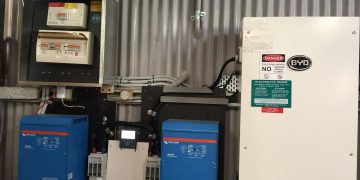
The dream of harnessing solar energy as a sustainable power source often hits a wall when confronted with the financial hurdles associated with its initial setup. Installation costs remain a significant deterrent for many potential adopters, even as the long-term savings promise an enticing return on investment. While the price of solar panels has decreased over the years, the upfront expenses—including installation fees, permits, and necessary equipment like inverters and batteries—can still be overwhelming for average homeowners. Furthermore, the complexity of navigating available incentives and rebates adds an additional layer of difficulty, often deterring individuals who lack the time or resources to fully investigate their options.
- High initial costs: Equipment and installation fees.
- Financing challenges: Limited access to affordable loans or financing options.
- Incentive confusion: Difficulty in understanding and applying for available rebates and tax credits.
- Maintenance costs: Potential expenses for repairs and maintenance over time.
Moreover, the disparity in financial barriers is evident across different socioeconomic groups. Low-income households, in particular, face a steeper challenge, as they may lack access to favorable financing options or credit scores that qualify for solar loans. This inequality underscores the need for more inclusive policies and innovative financial solutions that can bridge the gap, making solar energy an accessible reality for all. Addressing these financial barriers is crucial not only for individual households but also for achieving broader environmental goals and reducing reliance on fossil fuels.
Exploring the True Cost of Solar Panel Installation
The initial investment for solar panel installation can indeed appear daunting, with costs influenced by various factors such as equipment, labor, and geographical location. Yet, it’s crucial to delve deeper into what this price tag encompasses to fully understand its implications. Beyond the apparent expense, installing solar panels often includes hidden values such as tax incentives, increased property value, and long-term energy savings. However, the upfront financial commitment can still pose a significant barrier for many potential adopters.
- Equipment Costs: The price of solar panels, inverters, and other necessary components.
- Installation Fees: Labor charges for professional installation and system design.
- Permits and Inspections: Fees for local permits and necessary inspections to ensure compliance.
- Maintenance Costs: Although generally low, regular maintenance ensures optimal performance.
Despite these costs, the allure of sustainable energy and potential savings on utility bills can drive homeowners to consider solar options. While some may find financial assistance through loans or leasing options, others may still find themselves hesitant. The challenge remains to strike a balance between the perceived high costs and the undeniable benefits that solar power promises in the long run.
Analyzing Incentives and Rebates for Solar Investment
When considering the financial implications of solar energy systems, incentives and rebates play a crucial role in making these installations more affordable. Governments and local authorities often provide financial incentives to encourage individuals and businesses to invest in solar technology. These incentives can significantly offset the initial high costs associated with solar panel installation. Common incentives include:
- Tax credits that reduce the amount of tax owed.
- Rebates that provide a partial refund after installation.
- Performance-based incentives that reward energy production over time.
- Grants specifically aimed at lowering initial investment costs.
While these incentives can effectively lower the financial barrier, the complexity and variability of these programs across regions can sometimes deter potential adopters. Moreover, the temporary nature of many incentives means that timing is essential; missing a deadline could mean missing out on significant savings. Understanding the landscape of available incentives and strategically planning the investment can transform the economics of solar energy, potentially accelerating its adoption despite high upfront costs.
Recommendations for Making Solar Energy More Accessible
To enhance the accessibility of solar energy, there are several strategies that can be implemented to alleviate the burden of high installation costs. One effective approach is to encourage government incentives and subsidies that can significantly reduce the initial financial outlay for consumers. By offering tax credits or rebates, governments can make solar installations more affordable and attractive to a wider audience.
Another potential solution is to explore innovative financing options. For instance, solar leasing or power purchase agreements (PPAs) can allow homeowners to adopt solar technology without the hefty upfront costs. These arrangements enable individuals to pay for the energy generated by their solar systems over time, aligning payments more closely with the savings on their energy bills. Additionally, the development of community solar projects can provide access to solar energy for those who may not have suitable rooftops or the means to install their own systems. By pooling resources and sharing benefits, these projects can democratize access to solar power.
Concluding Remarks
As we stand at the crossroads of energy innovation and financial pragmatism, the journey of solar adoption is one that requires careful navigation. The high costs of installation may indeed serve as a formidable barrier for many, yet they also ignite a dialogue about the value of investing in our planet’s future. Balancing immediate financial concerns with long-term environmental gains presents a nuanced challenge, but also an opportunity for creativity and collaboration. As technology advances and policy frameworks evolve, perhaps the sunniest days for solar energy are yet to come. Until then, the conversation continues, illuminating the path forward with each new perspective.