

















In a world increasingly conscious of its carbon footprint, the sun has emerged as a powerful ally, casting a new light on the possibilities of renewable energy. As the dawn of solar technology advances, it is not merely illuminating rooftops and vast solar farms but is also reshaping the very fabric of the global energy landscape. This celestial body, with its boundless and inexhaustible energy, is challenging traditional norms and fostering a dynamic shift in the renewable energy mix. From the bustling cities of Europe to the sun-drenched deserts of the Middle East, solar energy is carving out a transformative path, promising a cleaner, more sustainable future. As we delve into the myriad ways solar power is redefining the contours of energy consumption, production, and policy, we uncover a story of innovation and potential that could very well dictate the future of our planet’s energy solutions.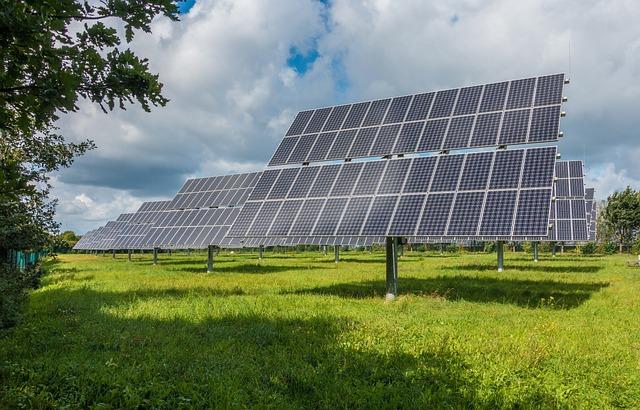
Harnessing the Sun: The Technological Advances Driving Solar Energy Forward
In recent years, the realm of solar energy has witnessed remarkable innovations that are propelling its integration into the global energy portfolio. One of the most groundbreaking developments is the advent of bifacial solar panels. Unlike traditional panels, these advanced modules can capture sunlight from both sides, significantly boosting energy output without increasing the surface area required. Moreover, perovskite solar cells are emerging as a game-changer. These cells, made from a unique crystalline structure, offer higher efficiency rates and can be manufactured more cost-effectively compared to their silicon counterparts.
Another transformative technology is the implementation of smart solar inverters. These devices not only convert the direct current (DC) generated by solar panels into alternating current (AC) for home use but also optimize the energy flow, ensuring maximum efficiency and integration with the grid. The rise of solar tracking systems further exemplifies the strides in this field, allowing panels to follow the sun’s path throughout the day, thereby enhancing energy capture. Key advancements include:
- Energy storage systems that pair with solar installations to provide power even when the sun isn’t shining.
- Floating solar farms, which utilize bodies of water to house solar arrays, reducing land use and increasing efficiency due to cooler temperatures.
- Building-integrated photovoltaics (BIPV), where solar cells are seamlessly integrated into building materials, turning structures themselves into energy generators.
A Sustainable Shift: How Solar Power is Influencing Global Energy Policies
As the world grapples with the dual challenges of climate change and energy security, solar power is emerging as a beacon of hope, influencing energy policies across the globe. Nations are increasingly recognizing the potential of harnessing sunlight to meet their energy needs, leading to a seismic shift in policy frameworks. These changes are fostering a more sustainable future by encouraging investments in solar infrastructure and facilitating technology advancements. Key components of this transformation include:
- Incentives for Adoption: Governments are introducing tax credits, rebates, and subsidies to make solar energy more accessible to both consumers and businesses.
- Regulatory Support: Policies that promote grid parity and net metering are enabling smoother integration of solar energy into national grids.
- Research and Development: Increased funding for solar technology innovations is driving efficiency improvements and cost reductions.
Such policy initiatives are not only reshaping the energy landscape but are also setting the stage for solar power to become a cornerstone of the renewable energy mix. This paradigm shift is a testament to the global commitment towards a cleaner and more sustainable energy future.
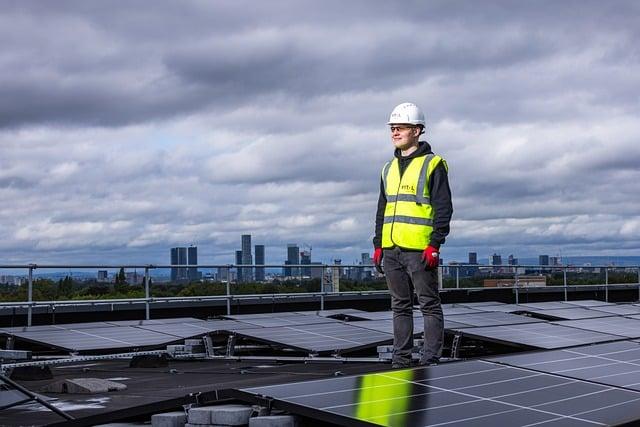
Economic Impacts: The Role of Solar Energy in Job Creation and Market Dynamics
Solar energy is proving to be a powerful catalyst in the job market, fostering employment opportunities across various sectors. From manufacturing solar panels to installing and maintaining solar farms, the industry is creating a diverse range of positions. Job creation is particularly significant in rural and underdeveloped areas where solar projects often take place, providing a much-needed economic boost. Furthermore, the decentralized nature of solar installations allows for local employment, reducing the need for long-distance commuting and supporting local economies.
In terms of market dynamics, solar energy is challenging traditional power structures, encouraging competition and innovation. Key factors contributing to this shift include:
- Cost reduction: Advances in technology have driven down the cost of solar energy, making it more accessible to consumers and businesses alike.
- Energy independence: By investing in solar, countries and communities can reduce their reliance on imported fossil fuels, leading to greater energy security.
- Environmental impact: The increasing demand for clean energy is pushing companies to innovate and adapt, creating a dynamic market landscape.

Maximizing Potential: Strategies for Integrating Solar Power into the Energy Grid
Incorporating solar power into the energy grid is not merely about capturing sunlight but effectively managing and distributing it to maximize its potential. Adaptive grid management is crucial, involving the integration of smart grid technologies that can balance supply and demand seamlessly. These technologies enable real-time data monitoring and predictive analytics, allowing grid operators to adjust to fluctuating solar outputs and ensure stability. Furthermore, energy storage solutions such as advanced battery systems play a pivotal role. By storing excess solar energy generated during peak sunlight hours, these systems provide a reliable backup that can be tapped into during cloudy days or nighttime, maintaining a steady energy supply.
To successfully weave solar power into the existing grid, several strategic elements must be addressed:
- Grid Infrastructure Upgrades: Modernizing transmission lines and substations to handle distributed solar inputs.
- Regulatory Support: Developing policies that incentivize solar integration and provide clear guidelines for stakeholders.
- Community Engagement: Educating and involving local communities to foster support and collaboration.
- Innovative Financing Models: Offering solutions like power purchase agreements and community solar projects to make solar investments more accessible.
By focusing on these strategies, we can effectively integrate solar power into the energy grid, transforming the way we harness and utilize renewable energy resources.
The Conclusion
As we stand on the brink of a new energy era, the transformative power of solar energy is casting a brighter light on our sustainable future. With its capacity to seamlessly integrate into the renewable energy mix, solar power is not just a fleeting trend but a cornerstone of tomorrow’s energy landscape. As we continue to harness the sun’s abundant rays, we are not only reshaping the way we power our world but also redefining our relationship with the planet. The horizon is clear, and the potential is limitless. As solar energy continues its ascent, it beckons us to imagine a world where clean, renewable energy is not just an aspiration, but a reality. The journey is just beginning, and the sun is our steadfast guide.