



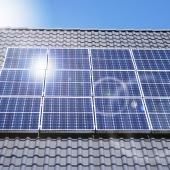



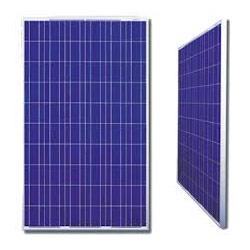
In a world increasingly powered by innovation, the sun’s energy has long been a beacon of hope for a sustainable future. As we stand on the brink of a new era in solar technology, the advent of flexible solar panels is revolutionizing the way we harness this abundant resource. Gone are the days when solar energy was confined to rigid, bulky panels perched atop roofs or sprawling across fields. Today, the pliability of flexible solar panels is breaking boundaries, allowing for a seamless integration into diverse environments and unlocking a realm of possibilities previously thought unattainable. From powering remote locations to adorning the curved surfaces of modern architecture, these versatile marvels are reshaping our energy landscape, one bend at a time. Join us as we explore how this transformative technology is lighting the way to a brighter, more adaptable future.
Flexible Design Revolutionizing Renewable Energy Solutions
In the ever-evolving landscape of renewable energy, the advent of flexible solar panels is reshaping the possibilities of sustainable power generation. Unlike their rigid counterparts, these innovative panels offer adaptability and resilience, opening doors to a myriad of applications. From integration into architectural designs to powering remote locations, the potential is vast. Imagine solar panels seamlessly blending into the curvature of rooftops, clothing urban structures in a sustainable veneer. Or consider the potential for off-grid adventures, where lightweight and durable panels can be effortlessly rolled out to harness the sun’s power, providing energy in the most unlikely of places.
- Integration with wearable technology: Enabling self-powered devices.
- Enhanced vehicle efficiency: Covering surfaces of cars and buses for auxiliary power.
- Eco-friendly architecture: Incorporating solar energy into building facades and windows.
These advancements are not just theoretical; they are actively transforming how we think about and utilize solar energy. By embracing the flexibility and versatility of these panels, industries are not only enhancing efficiency but also moving closer to a future where renewable energy is seamlessly woven into the fabric of daily life.
Integrating Solar Innovation into Urban Architecture
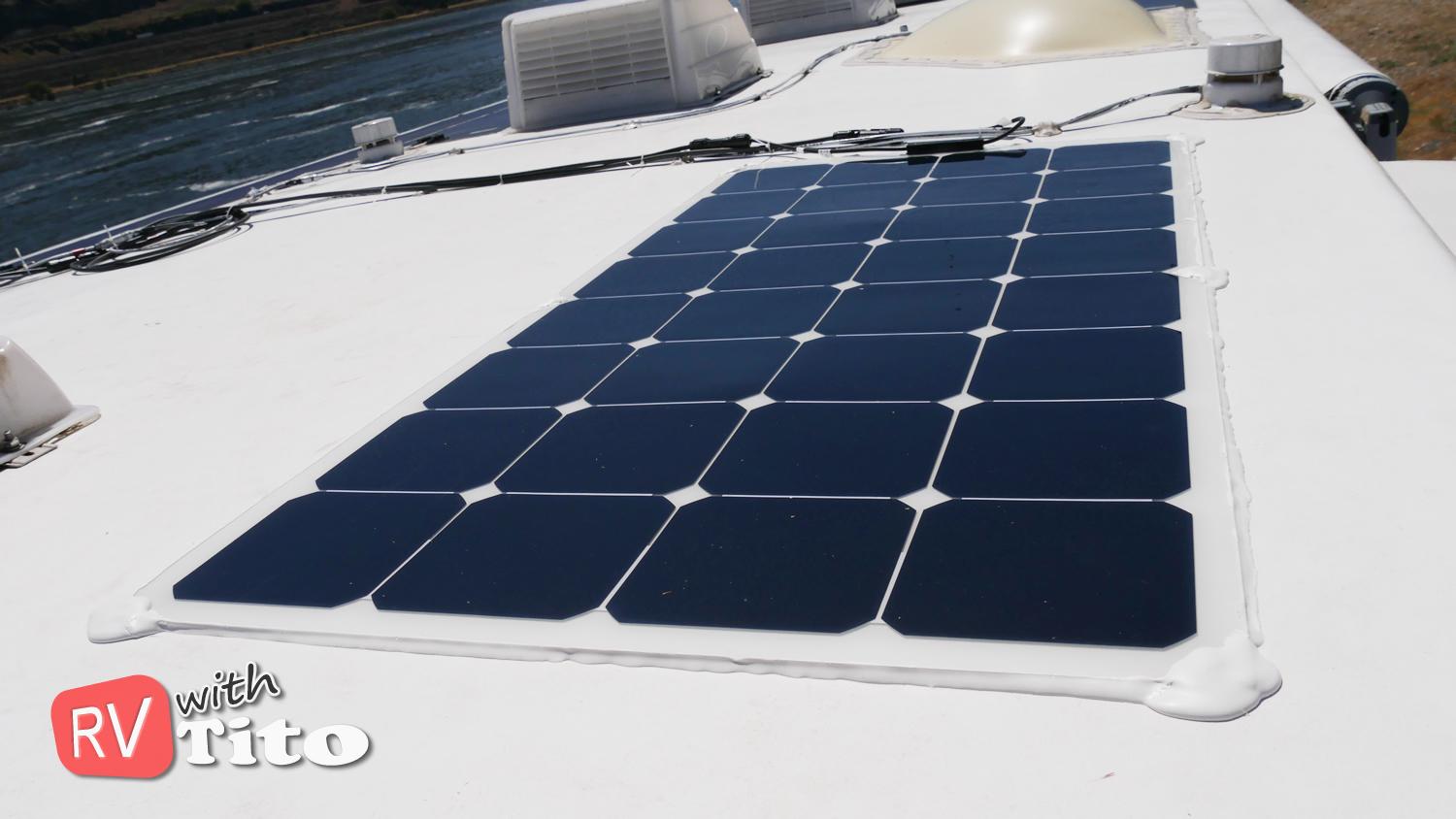
Urban landscapes are undergoing a transformative shift with the advent of flexible solar panels, a groundbreaking innovation reshaping the integration of renewable energy into city architecture. These panels are not only lightweight and adaptable but also seamlessly blend into various surfaces, making them an ideal choice for urban environments. Flexible solar panels can be easily installed on building facades, windows, and even rooftops, transforming previously unused spaces into energy-generating hubs.
- Aesthetic Versatility: Their ability to conform to different shapes and surfaces ensures that they do not disrupt the visual appeal of modern architectural designs.
- Cost-Effective Installation: With reduced weight and enhanced flexibility, these panels can be installed with minimal structural modifications, lowering overall project costs.
- Increased Energy Efficiency: By maximizing the use of available surface areas, flexible solar panels contribute significantly to urban energy solutions, promoting sustainability in densely populated areas.
As cities strive to meet environmental goals, the integration of such solar innovations is not just a trend but a necessity, paving the way for smarter, greener urban development.
Advancing Portable Power for Remote and Mobile Applications
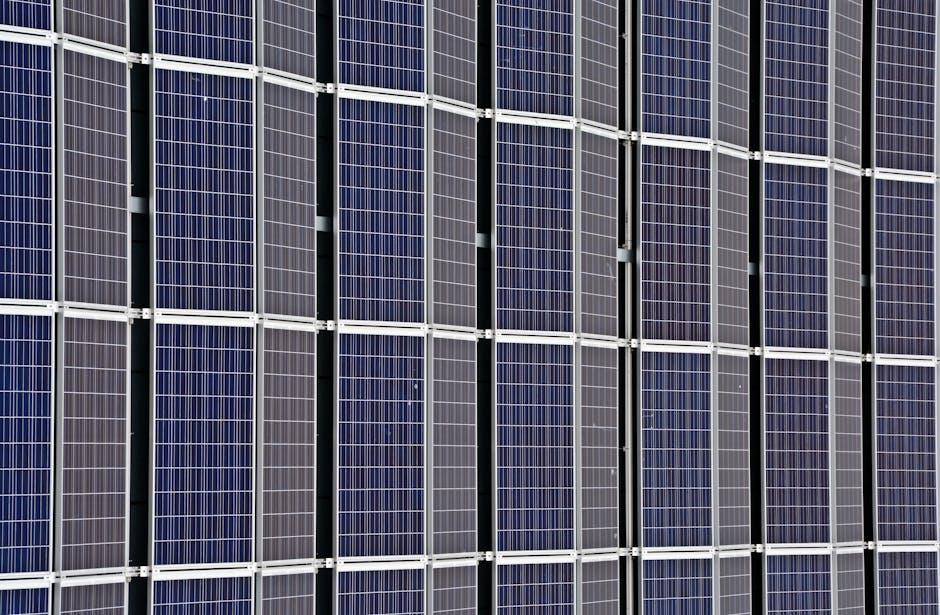
In the quest to enhance energy solutions for remote and mobile environments, flexible solar panels are proving to be game-changers. Unlike traditional solar panels, these innovative alternatives are lightweight, thin, and incredibly adaptable, allowing for a wide range of applications that were previously unimaginable. Their ability to conform to curved surfaces makes them ideal for use on boats, RVs, and even tents, opening up new avenues for sustainable power generation in off-grid scenarios.
Beyond their structural versatility, flexible solar panels offer a myriad of benefits, including:
- Portability: Easy to transport and install, these panels are perfect for adventures in remote areas.
- Durability: Made from resilient materials, they withstand harsh weather conditions without compromising efficiency.
- Efficiency: Advances in solar technology have improved their energy conversion rates, making them a viable option for consistent power supply.
- Customization: Available in various sizes and power outputs to meet specific needs, they cater to a diverse range of applications.
As these panels become more accessible and affordable, they empower individuals and businesses to harness the sun’s energy like never before, transforming the landscape of portable power solutions.

Strategic Considerations for Implementing Flexible Solar Technology
As businesses and homeowners alike look to harness renewable energy, flexible solar technology presents a plethora of strategic advantages that can reshape the landscape of energy consumption. Unlike traditional rigid panels, flexible solar panels can be adapted to a variety of surfaces, making them ideal for innovative applications. When considering the integration of this technology, it’s essential to weigh the following strategic elements:
- Adaptability: Their lightweight and bendable nature allow these panels to be applied on unconventional surfaces such as vehicle exteriors, clothing, or even curved architectural structures.
- Cost Efficiency: Initial investment might be higher, but the potential for reduced installation costs and increased energy output can result in significant savings over time.
- Durability and Maintenance: Assess the longevity of materials in varying environmental conditions and factor in maintenance needs to ensure sustained performance.
By evaluating these factors, stakeholders can make informed decisions, leveraging the unique benefits of flexible solar panels to meet both ecological and economic goals.
The Way Forward
As we stand on the brink of a new era in renewable energy, flexible solar panels are illuminating pathways once thought impossible. Their adaptability and innovative design are not just reshaping rooftops and skylines, but also energizing the very way we envision our relationship with the sun. From remote villages to bustling urban centers, these panels are quietly revolutionizing the accessibility and integration of solar power into everyday life. As we continue to explore and harness their potential, one thing is clear: the horizon of possibilities is expanding, and with it, our capacity to create a more sustainable future. As the sun sets on this chapter of innovation, it rises again, casting light on the endless opportunities that lie ahead.