








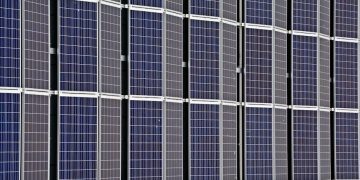



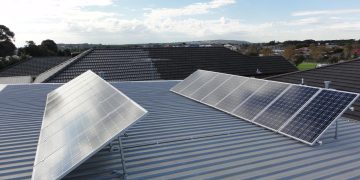
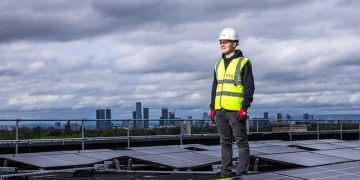




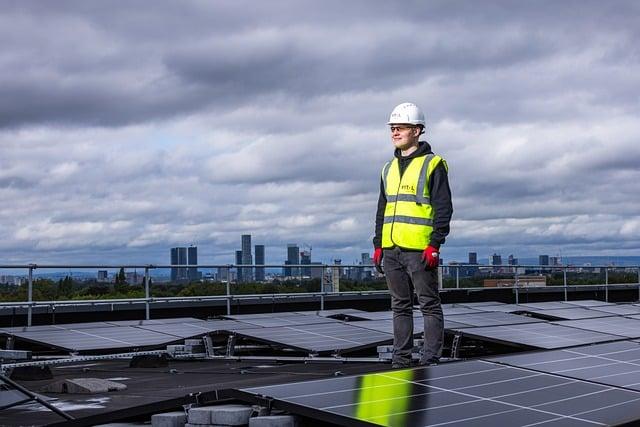
In the heart of bustling urban landscapes, where skyscrapers stretch toward the sun, an intriguing question flickers on the horizon: should governments mandate solar installations for all commercial buildings? As the world grapples with the twin challenges of climate change and energy sustainability, the rooftops of our cities present an untapped resource, glistening with potential. This article delves into the multifaceted debate surrounding this issue, exploring the balance between environmental responsibility and economic pragmatism. As we navigate through the maze of incentives, innovations, and infrastructural implications, we aim to shed light on whether a solar mandate could illuminate the path to a sustainable future or cast shadows of unintended consequences. Join us as we explore the possibilities and pitfalls of turning every commercial rooftop into a beacon of renewable energy.
Economic Impact and Feasibility of Mandating Solar Panels
Implementing a mandate for solar panel installations on all commercial buildings could have profound economic implications. On one hand, it may lead to substantial initial costs for businesses, potentially affecting small enterprises more acutely. However, these costs could be mitigated by government incentives, such as tax credits or subsidies, aimed at reducing the financial burden. Over time, the reduced energy costs can lead to significant savings, enhancing the profitability of businesses. Additionally, a widespread shift towards solar energy could stimulate job creation in the renewable energy sector, providing new opportunities for skilled workers.
From a feasibility standpoint, the success of such a mandate would depend on various factors, including geographic location, the existing infrastructure, and the technological advancements in solar energy. Challenges such as limited roof space or structural incompatibilities could hinder implementation. Nonetheless, overcoming these obstacles might involve innovative solutions, such as integrating solar technology into building materials or utilizing shared solar farms. The mandate could also drive advancements in energy storage solutions, enhancing the overall efficiency and reliability of solar energy. As a society, embracing these changes could pave the way towards a more sustainable and resilient economic future.
Environmental Benefits and Long-term Sustainability of Solar Installations
The integration of solar installations in commercial buildings not only reduces reliance on fossil fuels but also contributes significantly to environmental conservation. By harnessing the power of the sun, businesses can cut down on greenhouse gas emissions, which are a major contributor to climate change. This shift towards renewable energy sources helps in preserving natural resources and ensures a cleaner, healthier planet for future generations. Furthermore, solar energy systems require minimal maintenance and have a lifespan that can extend beyond 25 years, promoting long-term sustainability.
- Reduction in Carbon Footprint: Solar panels generate electricity without emitting carbon dioxide or other harmful pollutants.
- Conservation of Water Resources: Unlike traditional power generation, solar energy doesn’t rely on water for cooling, thus saving a vital resource.
- Promotion of Energy Independence: By utilizing solar energy, commercial buildings can decrease their dependence on non-renewable energy sources, promoting energy security.

Legal and Regulatory Challenges in Implementing Solar Mandates
Implementing solar mandates for commercial buildings presents a myriad of legal and regulatory challenges that governments must navigate carefully. Zoning laws can often impede progress, as not all jurisdictions have updated their codes to accommodate the installation of solar panels. This can lead to a clash between innovative energy solutions and existing legal frameworks. Additionally, building codes vary significantly from one area to another, complicating the implementation of a universal mandate. These codes need to be adapted to ensure they align with the technical requirements of solar installations while maintaining safety standards.
Furthermore, there are concerns around property rights and liability issues. Property owners may be hesitant to embrace mandated installations due to uncertainties about who is responsible for maintenance and potential damage. There’s also the question of financial incentives: without clear policies on tax credits or subsidies, property owners might resist the upfront costs associated with solar technology. Governments must also address grid integration challenges, ensuring that the existing infrastructure can handle the increased load from decentralized energy sources. Successfully overcoming these hurdles requires a collaborative approach involving policymakers, industry experts, and community stakeholders to create a balanced regulatory environment.
Strategies for Effective Implementation and Compliance Support
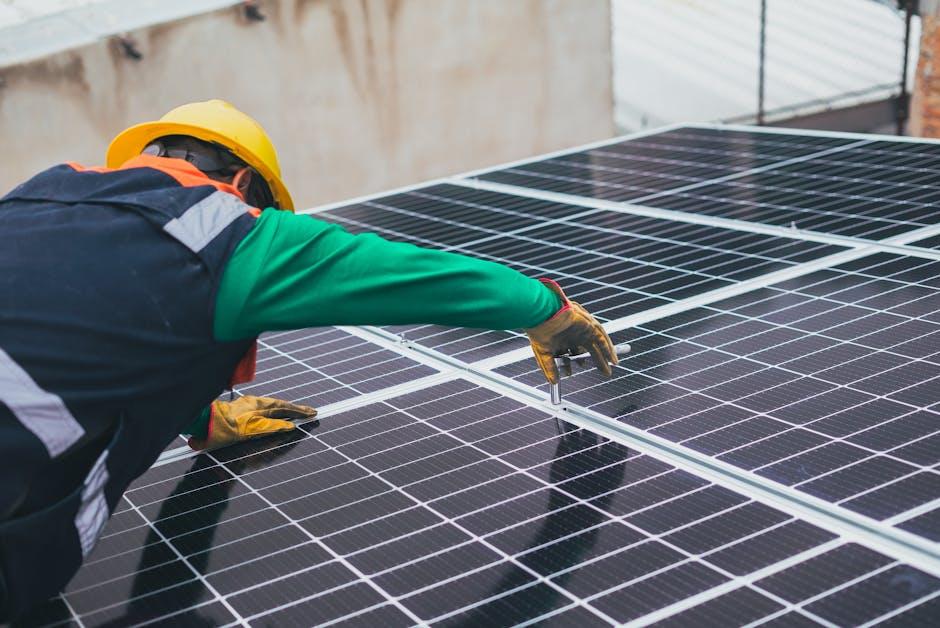
Ensuring effective implementation and compliance with mandatory solar installations requires a multifaceted approach that balances regulatory oversight with industry collaboration. Governments can foster compliance by offering comprehensive training programs and resources for commercial property developers and owners. This could include partnerships with solar technology experts to provide hands-on workshops and informational seminars. Furthermore, clear guidelines and timelines for implementation should be established to minimize confusion and ensure that all stakeholders are on the same page.
- Incentives and Rebates: Providing financial incentives such as tax rebates or subsidies can significantly enhance compliance rates.
- Monitoring and Reporting Systems: Implementing robust systems to track progress and adherence to solar installation mandates can help identify areas needing improvement.
- Collaborative Platforms: Establishing forums or platforms where businesses can share best practices and challenges can foster a supportive community around the transition.
Moreover, flexibility in policy design is crucial. Allowing for exemptions or alternative compliance pathways in specific cases can prevent undue hardship on businesses unable to meet the standard requirements due to unique circumstances. By adopting these strategies, governments can not only ensure compliance but also cultivate an environment where solar adoption is seen as a strategic advantage rather than a regulatory burden.
Future Outlook
As we stand at the crossroads of innovation and responsibility, the question of mandating solar installations for all commercial buildings beckons us to reflect on our collective future. Like rays of sunlight piercing through the clouds, this debate illuminates the myriad possibilities and challenges that lie ahead. On one hand, we have the promise of a greener tomorrow, where energy independence and sustainability shine brightly. On the other, we face the practical hurdles and economic considerations that demand our attention and ingenuity.
Ultimately, the decision rests not only with governments but with all of us—stakeholders, citizens, and stewards of this planet. As we move forward, may we harness the power of thoughtful discourse, balancing innovation with pragmatism, and ambition with feasibility. Whether the path leads to mandates or incentives, let us ensure it is paved with informed choices and a shared vision for a sustainable future. The sun may set on this discussion for now, but the dialogue continues, as vibrant and enduring as the energy we seek to capture.