





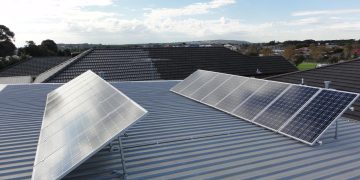
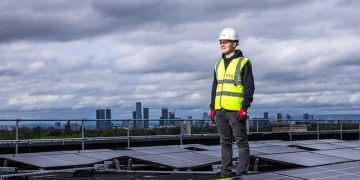



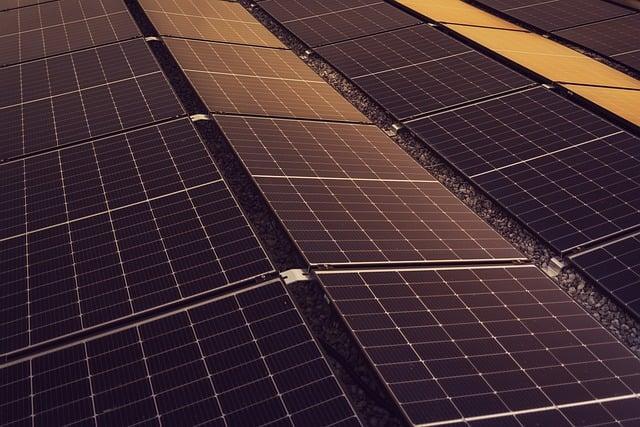
In the vast tapestry of the energy revolution, solar power shines as one of its most dazzling threads. As golden panels sprout across rooftops and fields, capturing the sun’s abundant gift, a new question emerges: Is the rapid expansion of solar markets outpacing the ability of our grid infrastructure to adapt? Like a race between the hare and the tortoise, the swift advance of solar technology challenges the more measured pace of grid evolution. This article delves into the dynamic interplay between these two forces, exploring whether the grid can keep pace with the soaring ambitions of solar energy or if it risks being left in the shadows. Join us as we unravel the complexities of this electrifying race, where innovation and infrastructure must find a harmonious balance for a sustainable future.
Surging Solar Installations Outpace Traditional Grid Expansion
As the world witnesses an unprecedented boom in solar energy adoption, the rapid proliferation of solar installations is presenting both opportunities and challenges for energy infrastructure. With solar capacity doubling at remarkable rates, the traditional power grid is struggling to keep pace with this renewable revolution. This burgeoning disparity has prompted discussions about the adaptability and resilience of current grid systems. Can the existing infrastructure evolve quickly enough to integrate the influx of solar energy efficiently?
Several factors contribute to this complex scenario:
- Decentralized Power Generation: Unlike centralized power plants, solar installations are often distributed across various locations, requiring a different approach to energy distribution and management.
- Grid Stability: The intermittent nature of solar power challenges the grid’s ability to maintain consistent voltage and frequency, necessitating advancements in grid technology and storage solutions.
- Regulatory Hurdles: Many regions face outdated regulations that impede the integration of renewable sources, calling for policy reforms to support this transition.
These dynamics underscore the need for innovative solutions and collaborations between solar developers, utility companies, and policymakers to ensure that the surge in solar energy is not only sustainable but also beneficial for the broader energy landscape.
Balancing Act: Integrating Solar Growth with Existing Grid Systems
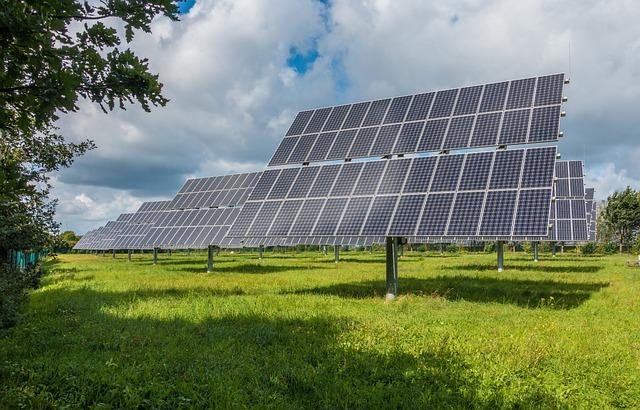
The rapid expansion of solar energy is reshaping the energy landscape, posing both opportunities and challenges for the existing grid infrastructure. As photovoltaic technology advances and becomes more cost-effective, solar installations are proliferating at a pace that sometimes outstrips the ability of traditional grids to integrate these new energy sources seamlessly. This mismatch can lead to grid instability, potential blackouts, and increased maintenance costs. However, with innovative solutions and strategic planning, these challenges can be transformed into stepping stones for a more resilient energy system.
To harmonize the growth of solar markets with current grid systems, several key strategies are being explored:
- Grid Modernization: Upgrading grid technology to handle variable energy inputs and enhance real-time monitoring.
- Energy Storage Solutions: Implementing large-scale batteries to store excess solar energy, ensuring a steady supply even when sunlight is scarce.
- Smart Grids: Utilizing digital technology to optimize energy distribution and manage demand effectively.
- Policy and Incentives: Crafting regulations that encourage investment in grid infrastructure improvements and solar integration.
By embracing these strategies, we can ensure that the burgeoning solar market becomes a robust pillar of sustainable energy, while maintaining the reliability of our power grids.
Harnessing Technology: Innovative Solutions for Grid Overload
In an era where solar energy adoption is accelerating, the race between renewable market growth and the capacity of existing grid infrastructure has become a focal point of innovation. As solar markets continue their upward trajectory, utilities and energy companies are exploring creative strategies to manage the increasing load. Smart grid technologies are at the forefront of this evolution, leveraging advanced data analytics and automation to balance supply and demand more effectively. Additionally, distributed energy resources (DERs) are being integrated into the grid, offering a decentralized approach to energy management that can alleviate pressure from overloaded systems.
Innovative solutions are emerging to tackle grid overload, including:
- Energy Storage Systems: By storing excess solar energy, these systems can provide power during peak demand times, reducing strain on the grid.
- Demand Response Programs: These initiatives encourage consumers to adjust their energy usage during peak periods, often incentivized through lower rates or rebates.
- Microgrids: Localized grids that can operate independently, providing resilience and flexibility to the main grid.
- Advanced Inverters: These devices improve grid stability by efficiently managing the flow of electricity from solar panels to the grid.
As these technologies mature, they promise to bridge the gap between the rapid growth of solar markets and the existing grid infrastructure’s ability to support them.

Policy and Planning: Strategic Approaches to Sustainable Solar Integration
The rapid expansion of solar markets presents both opportunities and challenges for grid infrastructure. To ensure sustainable integration, strategic policy and planning are paramount. Policymakers must consider a variety of approaches, including:
- Enhanced Grid Flexibility: Implementing advanced technologies like smart grids and energy storage solutions to accommodate fluctuating solar energy inputs.
- Incentive Alignment: Structuring financial incentives that promote both solar adoption and grid upgrades, ensuring the infrastructure can handle increased solar capacity.
- Collaborative Planning: Fostering partnerships between government entities, utility companies, and solar developers to synchronize growth with infrastructure capabilities.
These strategic approaches are crucial in balancing the fast-paced growth of solar markets with the necessary grid adaptations, ensuring that renewable energy integration is both sustainable and efficient.
Closing Remarks
As the sun sets on our exploration of the burgeoning solar markets and the challenges they present to existing grid infrastructure, it’s clear that we stand at a pivotal juncture in the evolution of energy. The dance between innovation and adaptation is a delicate one, with solar power casting both light and shadow on the future of energy distribution. The surge in solar adoption is a testament to human ingenuity and the relentless pursuit of sustainability. However, it also calls for a reevaluation of how we integrate these advancements into a grid designed for a different era.
As we ponder the path forward, the question remains: can our infrastructure evolve swiftly enough to harness this solar revolution, or will it become the bottleneck that stifles progress? The answer lies in a collaborative effort that spans policymakers, engineers, and visionaries alike. It is a call to action for all stakeholders to rethink, redesign, and reinforce the very veins of our energy systems.
In this transformative era, the horizon is bright with possibilities, but it demands foresight and flexibility. The race is on, not just to capture the sun’s bounty, but to distribute it efficiently, equitably, and sustainably. As we look to the future, may our ambitions be as boundless as the energy we seek to harness, ensuring that the light of innovation illuminates a path to a more resilient and interconnected world.