














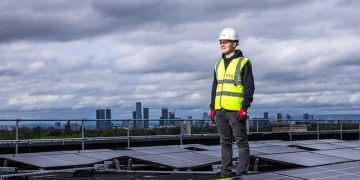





In the bustling heart of modern cities, where skyscrapers cast long shadows and the hum of daily life never ceases, a quiet revolution is unfolding on rooftops. Solar panels, once the domain of suburban homes and rural landscapes, are making their way into the urban jungle, promising a greener future amidst the concrete and steel. Yet, as cities grapple with the pressing need to transition to renewable energy, a pivotal question emerges: should they focus their efforts on incentivizing commercial solar installations over residential ones? This debate, teetering on the edge of economic pragmatism and environmental stewardship, challenges urban planners, policymakers, and citizens alike to rethink the role of solar energy in the city’s evolving ecosystem. As we delve into this complex issue, we explore the potential benefits and drawbacks of prioritizing commercial solar incentives, seeking to illuminate a path toward a sustainable urban future.
Balancing Urban Energy Needs Exploring Commercial vs. Residential Solar
In the bustling environment of urban landscapes, energy consumption patterns present a compelling narrative of contrast between commercial and residential needs. On one hand, commercial solar installations are seen as the juggernauts of energy savings, potentially reducing overhead costs significantly for businesses while also contributing to a city’s sustainability goals. The high energy demands of office buildings, shopping centers, and industrial complexes can be mitigated through expansive solar arrays, transforming rooftops into productive energy-generating spaces. On the other hand, residential solar solutions have the potential to empower individual homeowners, offering a personal touch to energy independence and environmental responsibility. These installations can foster a sense of community resilience, with entire neighborhoods contributing to the grid and lessening their carbon footprint.
The debate over whether to prioritize incentives for commercial or residential solar hinges on several factors:
- Scalability: Commercial installations often promise greater scalability and immediate impact on energy grids.
- Accessibility: Residential solar can democratize energy production, allowing a broader range of participants in the energy transition.
- Economic Impact: Both sectors can drive job creation, yet commercial projects may offer larger-scale economic benefits.
Striking the right balance requires careful consideration of these dynamics, as well as the unique energy landscape of each urban area.
Economic Impacts of Solar Incentives Analyzing Cost-Benefit for Cities
When considering the economic ramifications of solar incentives, cities face the pivotal decision of whether to direct their support towards commercial or residential solar projects. The choice can significantly shape urban energy landscapes, impacting both local economies and environmental goals. Commercial solar incentives often offer a more substantial return on investment due to economies of scale. Large installations can produce energy at a lower cost per unit, translating to greater savings and potential revenue generation through energy sales back to the grid. This can boost local businesses, attract new industries seeking sustainable energy solutions, and foster job creation in solar installation and maintenance sectors.
On the other hand, prioritizing residential solar incentives can lead to a broader democratization of energy production. By empowering homeowners to generate their own electricity, cities can reduce dependency on centralized power grids, promote energy independence, and encourage widespread community engagement in sustainability initiatives. While the initial economic impact might be less pronounced compared to commercial projects, the cumulative effect of thousands of households transitioning to solar can drive substantial local energy savings and increase property values. Additionally, residential incentives can be more politically palatable, appealing to a wider range of constituents and fostering a sense of community involvement in environmental stewardship.
- Commercial Solar:
- Higher ROI due to economies of scale
- Attracts businesses and creates jobs
- Residential Solar:
- Promotes energy independence
- Increases property values and community engagement
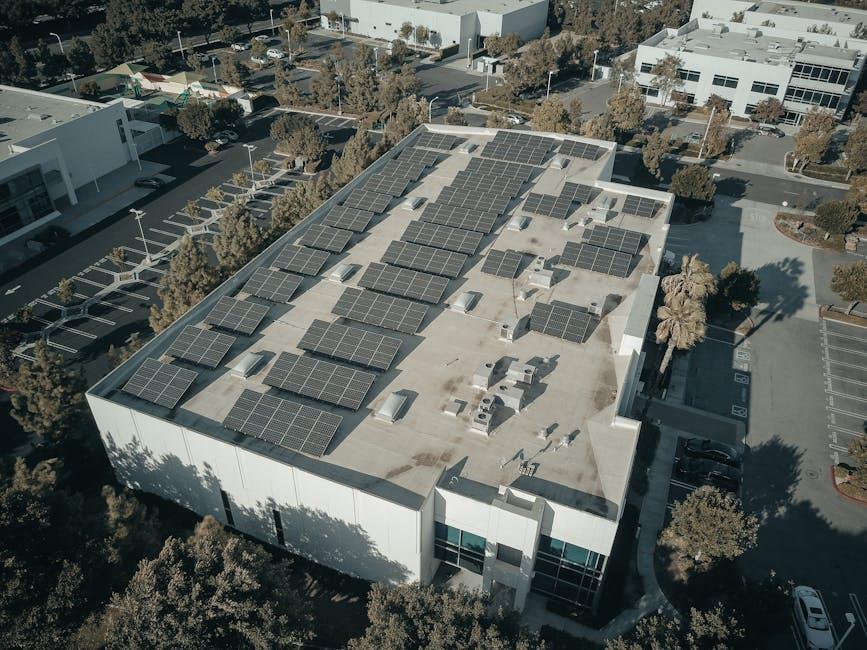
Harnessing Solar Power How Commercial Installations Could Transform Urban Landscapes
In the hustle and bustle of urban environments, commercial solar installations present a transformative opportunity to reshape cityscapes. With sprawling rooftops and vast parking lots, commercial buildings can harness sunlight on a grand scale, potentially generating more energy than their residential counterparts. This shift could lead to cleaner air, reduced carbon footprints, and energy cost savings that benefit entire communities. By incentivizing businesses to adopt solar power, cities could witness a cascade of benefits, including:
- Enhanced energy independence and resilience against grid disruptions.
- Job creation in the renewable energy sector, boosting local economies.
- Reduced urban heat islands, thanks to the cooling effects of solar panels.
- Increased property values and aesthetic appeal through modern, eco-friendly designs.
Fostering commercial solar adoption could turn cities into beacons of sustainability, setting a precedent for urban development worldwide. As these installations proliferate, they not only redefine architectural norms but also inspire a cultural shift towards a greener future.

Crafting Effective Policies Recommendations for Equitable Solar Incentive Programs
Designing policies that promote solar energy adoption requires a nuanced approach to ensure both commercial and residential sectors benefit equitably. An effective policy should consider the unique needs and capabilities of different sectors while fostering a sustainable and inclusive energy future. Key recommendations for crafting such policies include:
- Assessing Local Energy Needs: Conduct thorough analyses of local energy demands to tailor incentives that address specific community requirements.
- Balancing Incentives: Develop a balanced incentive structure that supports both commercial and residential solar projects, preventing market distortion and ensuring diverse participation.
- Community Engagement: Engage with local communities and stakeholders to understand their needs and barriers to solar adoption, ensuring that policies reflect a broad range of perspectives.
- Scalability and Flexibility: Design programs that can scale with technological advancements and market changes, allowing cities to adapt incentives as the solar landscape evolves.
- Monitoring and Evaluation: Implement robust monitoring mechanisms to evaluate the effectiveness of incentives and make data-driven adjustments to enhance program impact.
By focusing on these elements, cities can craft policies that not only drive solar adoption but also ensure equitable access and benefits across all sectors, paving the way for a cleaner and more inclusive energy future.
In Conclusion
As we stand at the crossroads of innovation and sustainability, the debate over whether cities should prioritize incentives for commercial solar installations over residential ones continues to unfold. Each path offers a unique tapestry of benefits and challenges, reflecting the diverse needs and ambitions of urban landscapes. While commercial solar promises the allure of large-scale energy transformation and economic growth, residential solar empowers individuals, fostering community engagement and environmental stewardship at the grassroots level.
the decision is not just about choosing one over the other but rather finding a harmonious balance that acknowledges the potential of both. As cities strive to illuminate their future with cleaner energy, the question remains: How can we best harness the sun’s power to shine equitably on all? The answer, perhaps, lies not in a single solution but in a mosaic of strategies that collectively guide us toward a more sustainable tomorrow.