












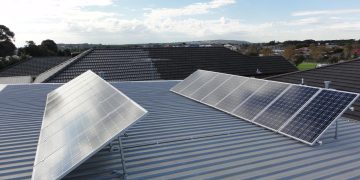

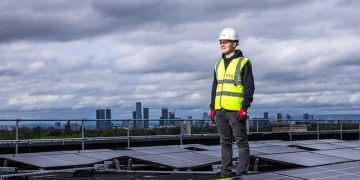



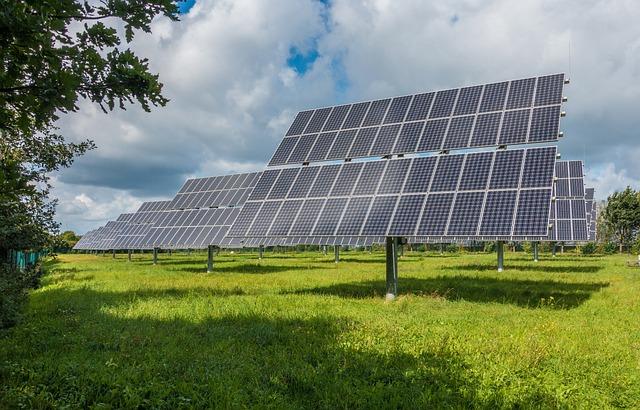
In the shimmering landscape of modern urban development, solar panels gleam atop skyscrapers and sprawling commercial complexes, heralding a new age of sustainable energy. Yet, beneath this veneer of progress, a complex narrative unfolds—a narrative that questions whether the rise of commercial solar is truly a beacon of equitable energy distribution or a subtle perpetuator of inequality. As cities race toward greener futures, the integration of solar technology into commercial enterprises raises critical questions about accessibility, benefit distribution, and the unintended social implications of this green revolution. This article delves into the nuanced dynamics of commercial solar energy, exploring whether its promise of a brighter tomorrow is shared equally by all or reserved for a select few.
Unequal Sun: How Commercial Solar May Widen the Energy Gap
While the solar industry celebrates its commercial advancements, a subtle rift in energy access quietly expands. The promise of sustainable energy is overshadowed by the disproportionate benefits that commercial solar ventures often reap. Large corporations with vast rooftops and capital can tap into solar incentives, reducing their energy costs significantly, while smaller businesses and low-income communities remain tethered to traditional energy sources.
- Access to Financing: Many small enterprises lack the financial muscle to invest in solar technology.
- Infrastructure Challenges: Urban centers with dense construction may find it difficult to install efficient solar arrays.
- Policy Gaps: Current incentives often favor larger installations, leaving smaller projects less viable.
As a result, the energy savings and environmental benefits of solar power become a privilege rather than a universal right. To bridge this growing divide, it is crucial to recalibrate policy frameworks and financial models to ensure that the sun shines equally on all sectors of society.

The Hidden Costs of Solar Energy Expansion in Urban Areas
As cities embrace renewable energy, the expansion of solar installations in urban areas brings forth an intricate web of challenges often overshadowed by the enthusiasm for green energy. One of the significant concerns is the financial burden that these developments can impose on certain communities. While commercial solar projects promise reduced electricity costs, the initial investments and ongoing maintenance expenses can create disparities. These costs may be offset through government incentives, yet not all neighborhoods have equal access to such benefits, leading to an uneven distribution of energy resources.
- Rising Property Values: As solar installations increase property appeal, they can inadvertently drive up real estate prices, making housing less affordable for existing residents.
- Limited Access: Not all areas have the infrastructure to support large-scale solar projects, which can limit the availability of these resources to wealthier districts.
- Environmental Impact: The physical footprint of solar farms may lead to reduced green spaces in urban settings, impacting local ecosystems and public enjoyment.
These hidden costs highlight the need for thoughtful urban planning and policy interventions to ensure that the transition to solar energy is equitable and inclusive for all urban dwellers.
Balancing the Grid: Strategies for Equitable Solar Distribution
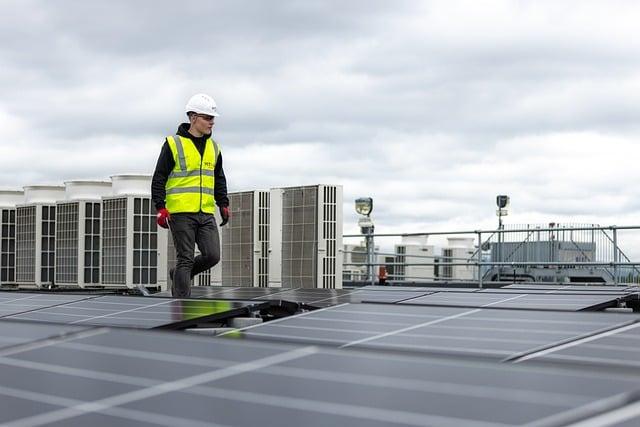
The transition to a solar-powered grid presents a unique opportunity to rethink energy distribution strategies. To ensure equitable access, it is essential to adopt innovative approaches that address the disparities between commercial and residential solar adoption. One strategy is implementing community solar programs, which allow individuals, regardless of property ownership or financial means, to benefit from shared solar installations. This approach can democratize energy access, offering a collective solution that bridges the gap between large-scale commercial projects and individual consumers.
Another effective strategy involves policy-driven incentives that encourage commercial entities to share surplus energy with local communities. By creating a framework where businesses can sell or donate excess power to nearby residents, we can foster a symbiotic relationship that benefits all parties. Additionally, integrating smart grid technology can optimize energy distribution, ensuring that solar-generated electricity is efficiently allocated based on real-time demand and availability. These strategies not only promote a fairer energy landscape but also drive the transition toward a sustainable future for all.
Harnessing Sunlight Fairly: Policy Recommendations for Inclusive Solar Growth
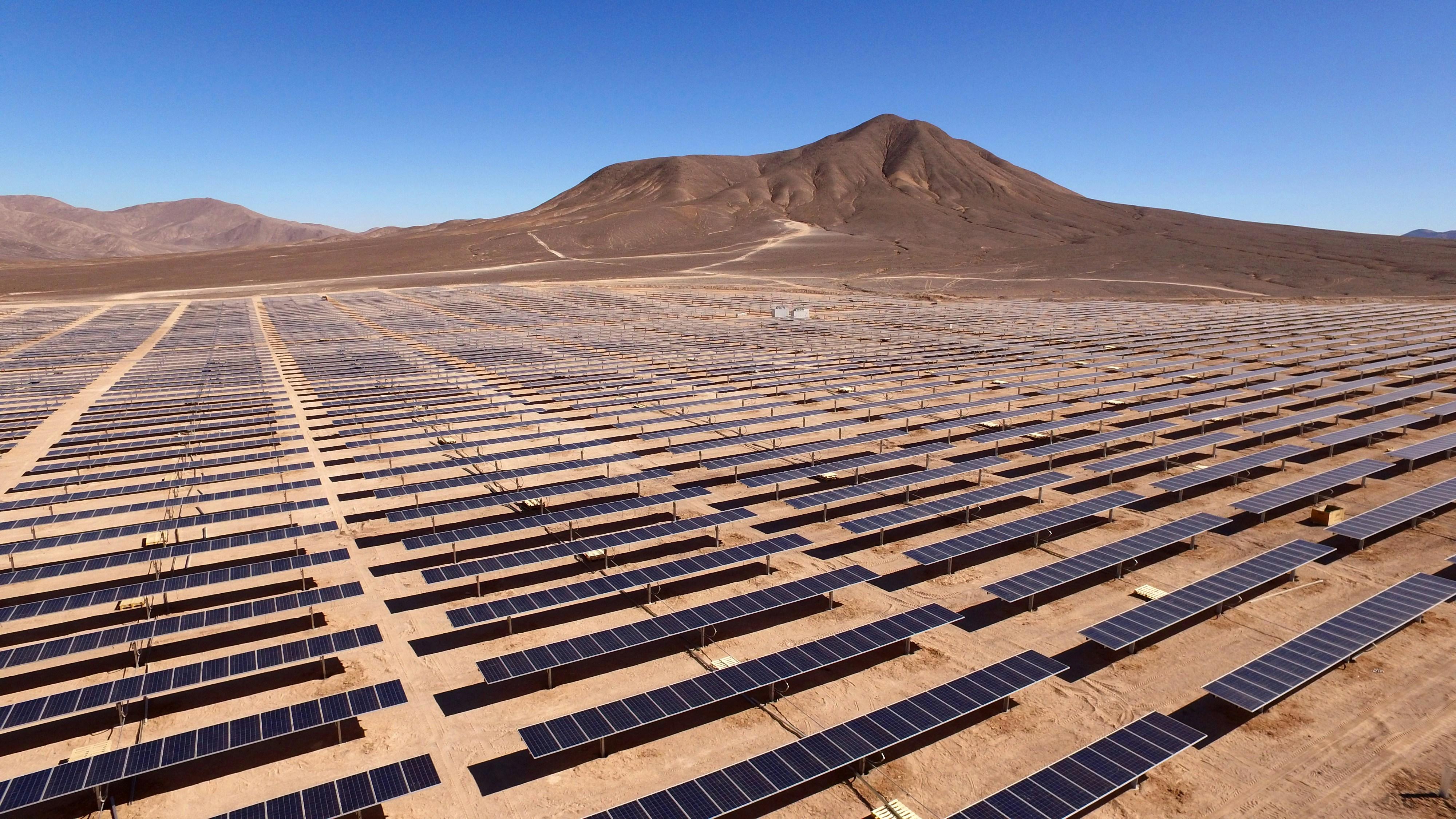
The rapid expansion of solar energy, while promising, often overlooks marginalized communities. To ensure equitable growth, policies must prioritize inclusive access to solar technology. One approach is to establish community solar programs that allow residents who may not own property, such as renters, to invest in shared solar installations. These programs can be facilitated by local governments, offering credits on electricity bills and reducing overall energy costs for participants.
Additionally, incentivizing solar companies to invest in low-income neighborhoods can help bridge the energy gap. Offering tax breaks or subsidies for projects in underserved areas encourages businesses to expand their reach. It’s also crucial to provide education and training in these communities, empowering residents with the knowledge and skills needed to participate in the solar workforce. By implementing these strategies, we can create a more inclusive solar landscape that benefits everyone, not just those who can afford the initial investment.
In Conclusion
In the vast tapestry of our energy future, commercial solar stands as both a beacon of hope and a mirror reflecting the complexities of modern society. As we’ve navigated the intricate landscape of energy inequality, it becomes evident that the story is neither one of unequivocal triumph nor of inevitable disparity. Instead, it is a narrative woven with opportunities for innovation, collaboration, and reform.
As the sun sets on this exploration, we are left with a mosaic of questions and possibilities. How can we harness the power of commercial solar to bridge the gaps it inadvertently highlights? What roles do policymakers, businesses, and communities play in crafting a more equitable energy landscape? The answers lie not in the shadows of our current systems but in the collective effort to illuminate paths toward inclusivity and sustainability.
the conversation about commercial solar and energy inequality is far from over. It invites us to look beyond the panels and profit margins, urging us to envision a future where the sun’s bounty is shared by all. Let us continue this dialogue, fueled by curiosity and a commitment to fairness, as we strive to transform solar potential into universal empowerment.