









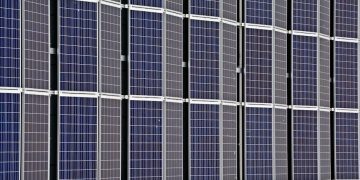
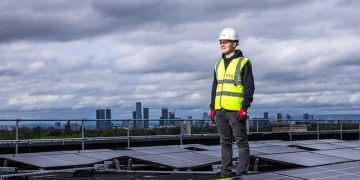
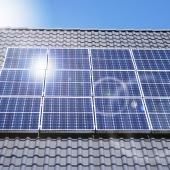



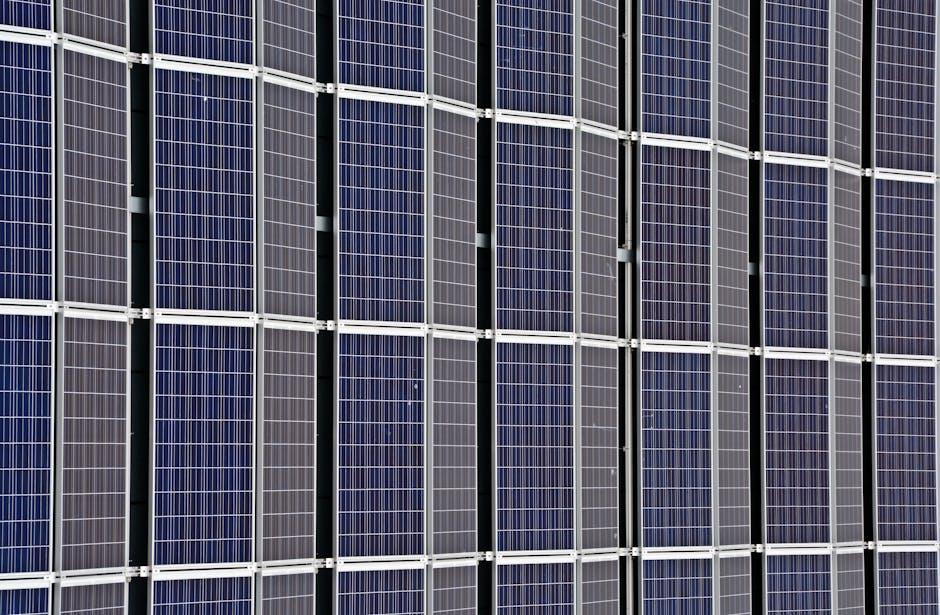
In the quiet charm of historic neighborhoods, where cobblestone streets whisper tales of yesteryears and grand facades stand as guardians of the past, a modern dilemma unfolds. The sleek glint of solar panels, symbols of our progressive stride towards sustainability, punctuates the skyline, sparking a debate that bridges the gap between heritage and innovation. As the world grapples with the urgent call for renewable energy, the question arises: should these contemporary icons be removed from the storied rooftops of historic homes? This conundrum challenges us to balance the reverence for architectural legacy with the pressing need for environmental stewardship, inviting homeowners, historians, and environmentalists alike to explore the nuanced intersection of preservation and progress. Join us as we delve into this complex dialogue, weighing the aesthetic, cultural, and ecological considerations that shape the future of our shared heritage.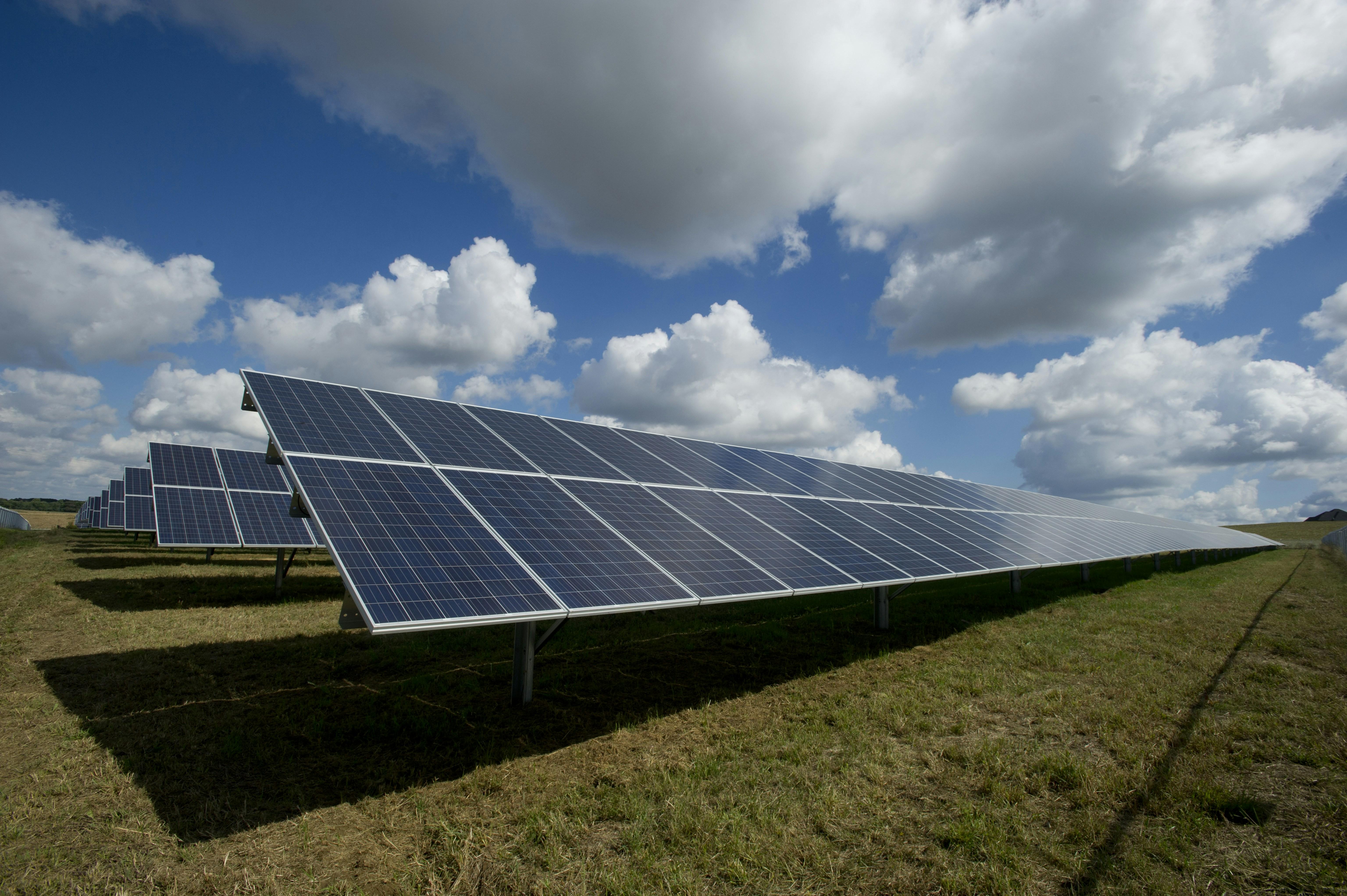
Balancing Heritage and Sustainability in Historic Homes
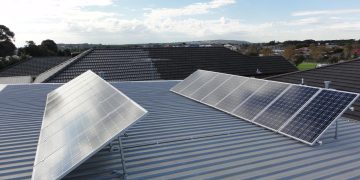
In the delicate dance between preserving the charm of yesteryears and embracing the innovations of today, historic homes find themselves at a crossroads. Solar panels, while a beacon of sustainable living, often clash with the aesthetic integrity of these architectural treasures. Yet, removing them may not be the straightforward solution it appears to be. The challenge lies in finding a harmonious blend that respects both heritage and the environment.
- Aesthetic Concerns: Critics argue that modern solar panels can disrupt the visual harmony of historic neighborhoods, undermining their cultural value.
- Technological Integration: Advances in solar technology offer alternatives like solar shingles or discreetly placed panels that might cater to both aesthetic and environmental demands.
- Regulatory Frameworks: Historic preservation laws vary, often providing guidelines on how renewable energy solutions can be incorporated without compromising historical significance.
Ultimately, the debate continues as communities and homeowners weigh the value of heritage against the pressing need for sustainable solutions. The question isn’t just about removal, but about innovation and compromise.
Preservation Versus Innovation: Navigating Solar Panel Integration
When considering the integration of solar panels into historic homes, one must weigh the delicate balance between preserving the architectural integrity of the past and embracing the technological advancements of the present. Historic homes, with their unique charm and cultural significance, often evoke a sense of nostalgia that could be disrupted by modern installations. However, the pressing need for sustainable energy solutions makes it imperative to find a harmonious middle ground.
- Aesthetic Concerns: Solar panels can potentially clash with the traditional aesthetics of historic properties, risking a loss of historical character.
- Regulatory Challenges: Many historic districts have stringent guidelines that may restrict or complicate the installation of solar panels.
- Technological Advancements: Recent innovations, such as solar shingles or panels that mimic traditional roofing materials, offer promising solutions that blend sustainability with preservation.
By exploring these options, homeowners and preservationists can work together to ensure that the pursuit of innovation does not come at the expense of heritage. The key lies in crafting policies and solutions that respect both the past and the future, enabling historic homes to stand as proud symbols of adaptability and progress.

Exploring the Impact of Solar Panels on Architectural Integrity
The juxtaposition of modern technology and historic architecture presents a fascinating dialogue. Solar panels, while champions of sustainability, can pose a significant challenge when integrated into historic homes. These homes, often revered for their unique character and cultural significance, must be preserved with great care. The installation of solar panels can potentially alter their architectural integrity, raising concerns among preservationists and homeowners alike.
- Aesthetic Disruption: Solar panels can detract from the visual appeal of historic structures, disrupting the harmony of their original design.
- Structural Considerations: The weight and installation process of solar panels may compromise the structural stability of aged roofs.
- Material Compatibility: Historic materials may not be well-suited to support modern solar technology, leading to potential damage.
However, innovative solutions are emerging, offering hope for those seeking to balance sustainability with preservation. Technologies such as solar shingles and invisible solar cells are being developed to blend seamlessly with historic exteriors, allowing for energy efficiency without sacrificing heritage. This evolving landscape suggests that the integration of solar panels into historic homes is not a question of removal, but rather of thoughtful adaptation.
Guidelines for Responsible Solar Panel Removal in Historic Districts
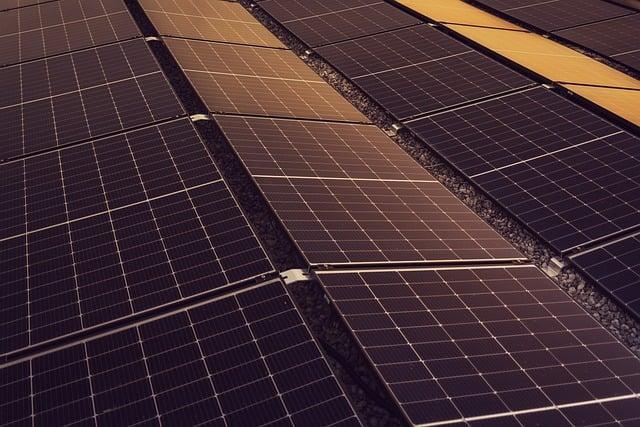
When considering the removal of solar panels from historic homes, it is crucial to balance the preservation of architectural integrity with modern energy needs. Adhering to guidelines ensures that the unique character of these buildings is maintained. Here are some key considerations:
- Consult Local Regulations: Engage with local heritage or preservation societies to understand specific rules and obtain necessary permits.
- Professional Assessment: Hire experts who specialize in historic properties to evaluate the impact of removal on both the structure and its historical value.
- Document Existing Conditions: Keep a detailed record of the building’s current state, including photographs and architectural plans, before any removal begins.
It’s also essential to plan for sustainable alternatives that respect the building’s history while catering to energy needs. Options include:
- Innovative Integration: Explore ways to integrate solar technology discreetly, using less visible areas like rear roofs or ground-mounted systems in non-intrusive locations.
- Adaptive Reuse: Consider updating existing systems with newer, more efficient models that blend seamlessly with the historic aesthetic.
To Wrap It Up
In the ever-evolving dialogue between preservation and progress, the question of whether solar panels should grace the rooftops of historic homes remains an intricate tapestry of values and visions. As we stand at the crossroads of heritage and innovation, the path forward invites us to ponder the essence of sustainability—not only in terms of energy but in our commitment to safeguarding the stories etched into the walls of time. The decision is not merely about panels and architecture but about the legacy we choose to leave behind. Whether we tilt towards preservation or innovation, the conversation itself enriches our understanding of what it means to honor the past while embracing the future. As the sun sets on this debate, may our choices illuminate a balanced path, one that respects both the whispers of history and the promise of tomorrow.