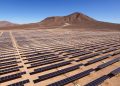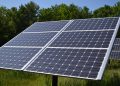
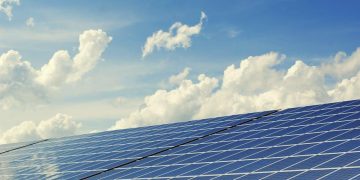




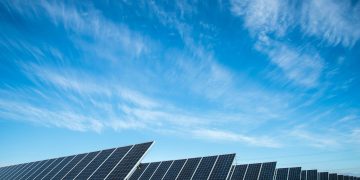
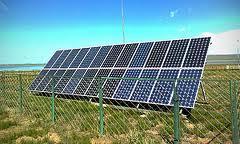






In the vast expanse of verdant fields, where the rhythmic dance of wheat sways to the whispers of the wind, a new contender emerges on the horizon, gleaming under the sun’s embrace. This is the age-old land of agriculture, a realm where the earth’s bounty has fed generations, now caught in a delicate balance with the future’s promise of sustainable energy. As the world grapples with the urgency of climate change and the relentless quest for renewable energy, a question rises like the dawn over these fertile acres: Should the lands that nourish us also be the lands that power us? This article delves into the heart of this debate, exploring the intricate tapestry of arguments and perspectives that surround the potential transformation of agricultural land into solar farms. Here, we seek to understand the implications, weigh the possibilities, and envision a landscape where the old world meets the new in a quest for harmony and progress.
Balancing Food Security and Renewable Energy
As we strive to transition to a greener future, the challenge of finding a balance between maintaining robust food security and expanding renewable energy sources becomes increasingly evident. The vast expanses of agricultural land have become a point of contention in this debate. On one hand, solar farms offer a sustainable energy solution that can significantly reduce carbon emissions and reliance on fossil fuels. On the other, diverting fertile land away from crop production could impact food supply and local economies, especially in regions where agriculture is a primary livelihood.
Considerations in this debate include:
- Economic Impact: The potential for job creation in the renewable energy sector versus the possible loss of agricultural jobs.
- Environmental Benefits: The reduction in carbon footprint and promotion of biodiversity in areas transitioning from monoculture to solar farms.
- Food Supply: Ensuring that food production meets the demands of growing populations while supporting sustainable energy goals.
- Land Use Efficiency: Innovations such as agrivoltaics, where solar panels are installed above crops, allowing for dual use of land.
Ultimately, the decision to convert agricultural land into solar farms requires a nuanced approach, balancing immediate energy needs with long-term food security and community impact.
Evaluating Environmental Impacts and Benefits
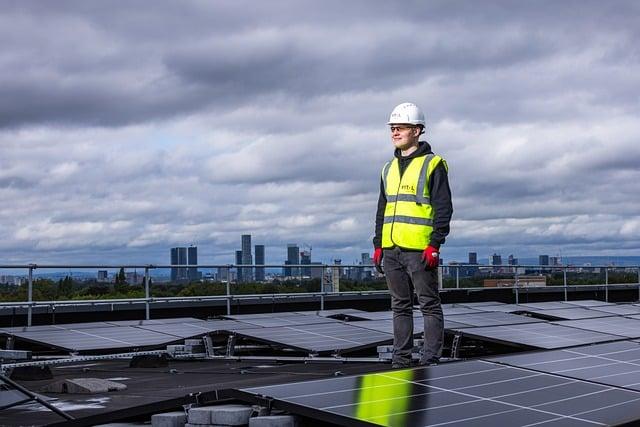
In assessing the environmental impacts and benefits of converting agricultural land into solar farms, several factors come into play. Solar farms, while contributing to renewable energy goals, alter land use significantly. Positive impacts include the reduction of carbon emissions and reliance on fossil fuels, promoting cleaner air and combating climate change. However, there are concerns about potential negative effects, such as habitat disruption for local wildlife and changes in soil composition due to reduced agricultural activity.
- Carbon Footprint Reduction: Solar farms contribute to lowering overall greenhouse gas emissions.
- Land Use Change: The shift from agriculture to solar energy can impact local ecosystems.
- Energy Independence: Increasing renewable energy sources aids in reducing dependency on non-renewable resources.
- Biodiversity Concerns: Potential disturbances to wildlife habitats need careful consideration and mitigation.
Economic Viability and Community Implications
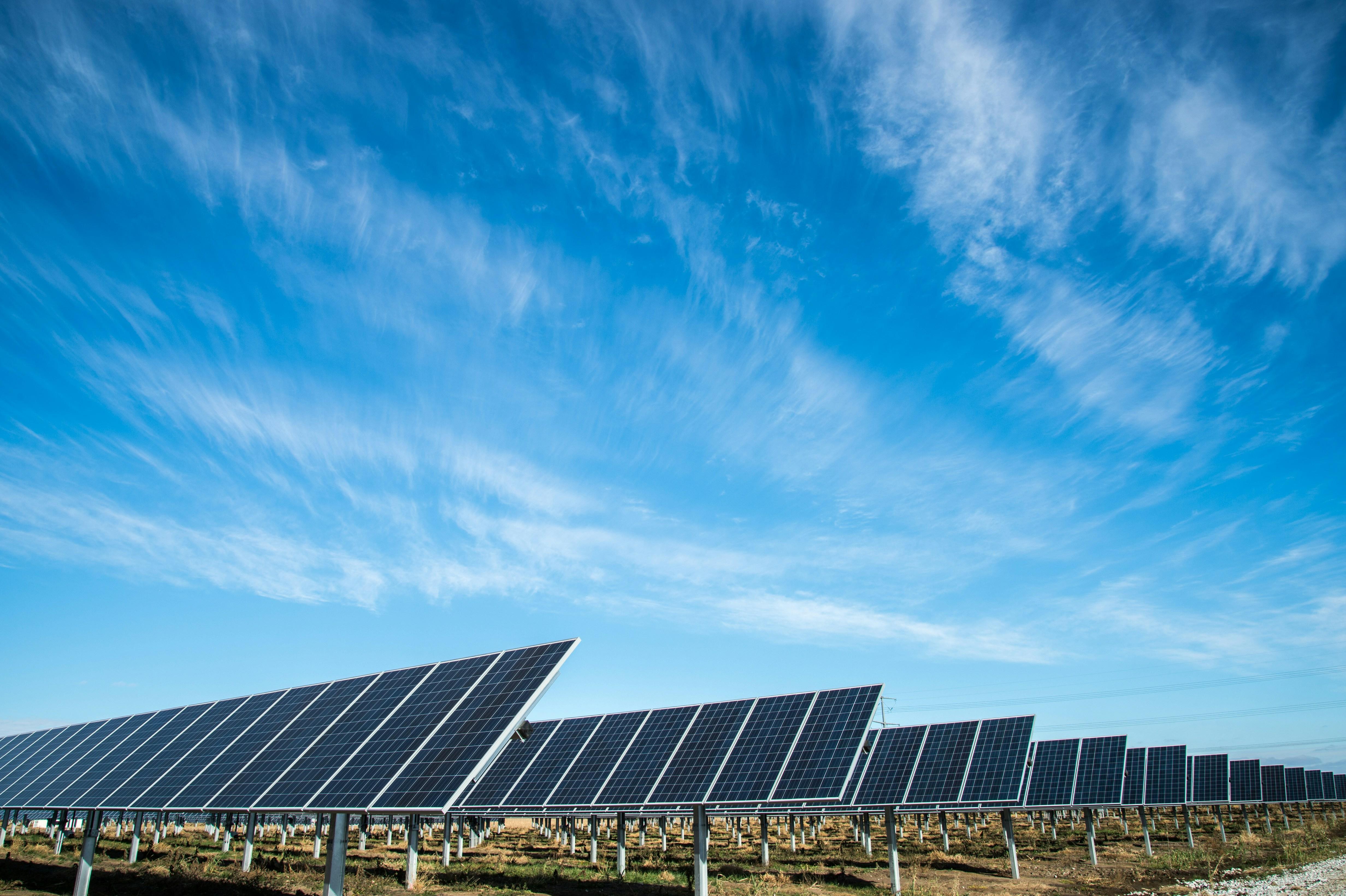
Balancing the economic viability of using agricultural land for solar farms with its potential impact on communities is a complex task. Economic incentives for solar farms can be enticing; they offer a reliable revenue stream through energy production and can contribute to a greener economy. Additionally, solar farms often require less maintenance than traditional agricultural activities, reducing long-term operational costs. However, this shift can also lead to significant changes in the local economy and social fabric.
On the community front, transforming agricultural land into solar farms might impact the availability of local produce, potentially increasing reliance on imported goods. Community implications include:
– Loss of Agricultural Heritage: Traditional farming practices may be abandoned, leading to a cultural shift.
– Job Displacement: Workers in agriculture might need retraining for new roles in renewable energy.
– Land Value Changes: Solar farms could alter property values, affecting local taxes and economies.
The decision to convert agricultural land should carefully weigh these factors, aiming for a balance that supports both economic growth and community well-being.

Strategic Recommendations for Harmonious Land Use
In the delicate balance between agricultural preservation and renewable energy development, several strategic approaches can guide harmonious land use. Integrated land management emerges as a promising strategy, where solar panels are installed above crops, allowing for dual-purpose land use. This concept, known as agrivoltaics, not only maximizes land utility but also provides shade that can reduce water evaporation and improve crop yields. Collaboration between agricultural experts and renewable energy developers is crucial in designing systems that accommodate both solar energy generation and agricultural productivity.
Community engagement plays a pivotal role in ensuring that land use transitions meet the needs of local populations. By actively involving farmers, local governments, and other stakeholders in decision-making processes, tailored solutions can be developed that respect both economic and environmental concerns. Considerations may include:
- Compensation mechanisms for farmers transitioning land use.
- Investment in infrastructure that supports both solar and agricultural operations.
- Educational programs to inform communities about the benefits and challenges of integrated land use.
Ultimately, a flexible and informed approach can transform potential conflicts into opportunities for sustainable development, ensuring that land serves the needs of both people and the planet.
In Summary
As the sun dips below the horizon, casting a golden glow over fields both cultivated and solar-paneled, the question remains: Should land reserved for agriculture be transformed into solar farms? This query straddles the crossroads of tradition and innovation, where the age-old rhythm of the plow meets the cutting-edge hum of photovoltaic progress. It’s a debate that invites us to consider not just the land beneath our feet, but the future that looms on the horizon. Balancing food security with energy sustainability, economic viability with environmental stewardship, this dialogue is as dynamic as the landscapes it seeks to reshape. As we move forward, perhaps the answer lies not in choosing one over the other, but in finding a harmonious balance where both agriculture and solar energy can thrive under the same sky. In this delicate dance of light and soil, may we cultivate a future that nourishes both our bodies and our planet.