

















In the ever-evolving landscape of renewable energy, solar panels have long stood as a beacon of hope, harnessing the sun’s power to illuminate our world sustainably. As technology advances, the integration of nanotechnology into solar panels promises to enhance their efficiency and accessibility, potentially revolutionizing the way we capture and utilize solar energy. However, with these promising innovations comes a crucial question: is nanotechnology in solar panels safe for the environment? This article delves into the intricate dance between cutting-edge science and ecological responsibility, exploring the potential environmental impacts of nanotechnology-enhanced solar panels. Join us as we unravel the complexities of this modern innovation, balancing the scales of progress and preservation in our quest for a greener future.
Understanding Nanotechnology in Solar Panels
Incorporating nanotechnology into solar panels has the potential to revolutionize energy efficiency and environmental impact. This cutting-edge technology utilizes nanoparticles to enhance the absorption of sunlight and improve the conversion of solar energy into electricity. Nanomaterials, such as quantum dots and carbon nanotubes, are engineered at the atomic level to optimize these processes, offering significant improvements over traditional solar cells.
- Enhanced Energy Efficiency: Nanotechnology can increase the efficiency of solar panels by allowing them to capture a broader spectrum of sunlight.
- Reduced Material Use: Nanoparticles require fewer raw materials, which could lead to a decrease in the environmental footprint of solar panel production.
- Longer Lifespan: Nanotech-enhanced solar panels are often more durable and resistant to environmental wear, potentially reducing waste.
However, the environmental safety of nanotechnology in solar panels is a topic of ongoing research. Concerns primarily revolve around the potential for nanoparticles to escape into the environment during manufacturing or disposal. Studies are being conducted to ensure that the lifecycle of these advanced solar panels—from production to disposal—is environmentally benign. As the technology progresses, establishing comprehensive safety guidelines and recycling methods will be crucial to maximizing the environmental benefits while minimizing any risks.
Assessing Environmental Impacts of Nano-Enhanced Solar Solutions
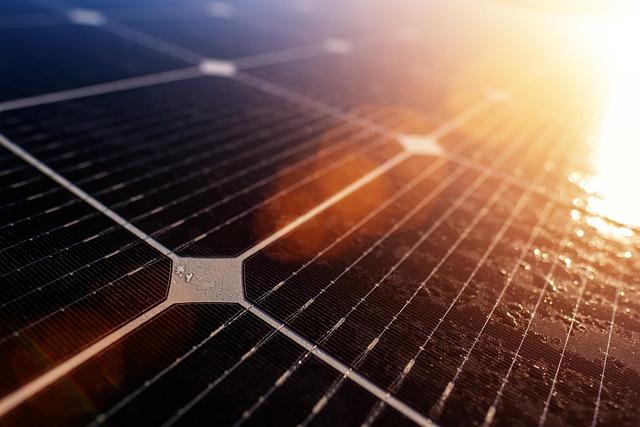
The integration of nanotechnology into solar panels presents both promising advancements and significant environmental considerations. Nano-enhanced solar solutions can increase the efficiency and lifespan of solar panels, reducing the overall environmental footprint of solar energy production. However, these benefits must be weighed against potential ecological impacts. As nanoparticles can be released into the environment during the manufacturing, usage, and disposal stages, it is crucial to understand their interaction with ecosystems.
Environmental assessments often focus on several key areas:
- Manufacturing Emissions: The production of nanoparticles can involve the release of hazardous substances. Implementing strict regulations and advanced filtration technologies can mitigate these emissions.
- Ecotoxicity: Once released, nanoparticles may interact with water, soil, and air, potentially impacting flora and fauna. Research is ongoing to determine the long-term effects and develop eco-friendly alternatives.
- End-of-Life Disposal: Proper recycling and disposal processes are necessary to prevent nanoparticle pollution. Encouraging the development of biodegradable or easily recoverable materials can help address this issue.
As the industry progresses, balancing innovation with environmental responsibility will be key to ensuring that nanotechnology contributes positively to sustainable energy solutions.

Exploring the Safety of Nanomaterials in Photovoltaic Systems
The integration of nanotechnology in solar panels has been a significant breakthrough, promising increased efficiency and reduced costs. However, the environmental safety of these nanomaterials is a topic of ongoing research. One of the primary concerns is the potential toxicity of nanoparticles if they are released into the environment. While nanomaterials like titanium dioxide and quantum dots enhance solar absorption, their impact on ecosystems is not fully understood. Researchers are particularly focused on how these particles interact with soil and water systems, and whether they pose risks to flora and fauna.
Efforts to ensure safety include developing biodegradable nanomaterials and implementing robust waste management strategies. Additionally, there’s a push towards designing panels that are easy to recycle, minimizing the chances of nanomaterials being released. Some promising approaches being explored are:
- Utilizing eco-friendly coatings to prevent nanoparticle leakage.
- Developing encapsulation techniques that securely lock in nanomaterials.
- Enhancing durability to extend the lifecycle of solar panels.
While the potential risks are still under investigation, the push towards sustainable nanotechnology in solar energy is clear. Balancing innovation with environmental stewardship remains crucial as the industry advances.
Recommendations for Sustainable Nanotech Integration in Solar Energy
Integrating nanotechnology into solar energy systems offers promising advancements, but it’s crucial to adopt sustainable practices. Prioritizing eco-friendly materials is vital. Utilizing biodegradable nanoparticles and non-toxic substances can minimize environmental impact. Lifecycle assessments should be conducted to evaluate the long-term effects of nanotech in solar panels, ensuring that benefits outweigh potential ecological costs.
Innovative recycling programs must be established to manage nanotech waste effectively. Encouraging manufacturers to design panels with disassembly and recycling in mind can reduce landfill contributions. Transparent collaboration between researchers, policymakers, and industry stakeholders is essential for developing regulations that promote safe practices. By following these recommendations, we can harness the power of nanotechnology in solar energy while safeguarding our environment.
The Way Forward
As we stand on the precipice of a new era in renewable energy, the role of nanotechnology in solar panels remains a beacon of both promise and scrutiny. While the intricate dance of nanoparticles offers a glimpse into a future of enhanced efficiency and sustainability, the environmental implications of their widespread use are still unfolding. Like any pioneering technology, it walks a fine line between innovation and impact. As research continues to illuminate the path ahead, it is our collective responsibility to balance progress with precaution. By fostering informed dialogue and diligent investigation, we can harness the power of nanotechnology to not only brighten our days but also safeguard the planet for generations to come. As the sun sets on our exploration of this topic, it leaves us with a profound reminder: in the quest for clean energy, wisdom is as essential as sunlight.