

















In the ever-evolving landscape of modern business, sustainability has emerged as a pivotal compass guiding enterprises toward a brighter, more responsible future. As the world pivots towards greener alternatives, the sun has risen as a powerful ally, offering businesses a chance to harness its boundless energy. Transitioning a business to solar power is not just an environmentally conscious decision; it’s a strategic move that promises long-term financial benefits and a stronger brand reputation. This article explores the journey of transforming your business into a solar-powered beacon of sustainability, unraveling the steps, considerations, and rewards that accompany this illuminating transition. Whether you’re a small startup or a large corporation, embracing solar energy can be your next great leap into the future of sustainable business practices.
Evaluating Solar Potential for Your Business
To effectively harness solar energy for your business, it’s essential to assess its potential impact on your operations. Begin by examining your current energy consumption patterns and identify areas where solar energy can provide the most benefit. Consider factors such as the size of your facility, available roof space, and geographical location. Geographic location is crucial, as areas with higher sun exposure will naturally yield more solar energy.
- Evaluate Energy Usage: Analyze your electricity bills to understand peak usage times and determine how solar can offset these demands.
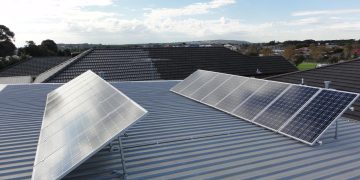
- Roof Assessment: Check if your roof is suitable for solar panels, considering factors like age, material, and orientation.
- Local Regulations: Research any zoning laws or incentives that could impact solar installation.
Consulting with a solar energy expert can provide a tailored analysis, ensuring you maximize the benefits while minimizing costs. This evaluation not only supports a seamless transition but also sets the foundation for a more sustainable future.

Navigating Financial Incentives and Rebates
Switching your business to solar energy can seem daunting, especially when trying to make sense of the various financial incentives and rebates available. Understanding these options is crucial for maximizing savings and ensuring a smooth transition. Businesses can benefit from a range of opportunities, including federal tax credits, state-specific incentives, and local utility rebates. The federal Investment Tax Credit (ITC), for example, allows businesses to deduct a significant percentage of the solar installation costs from their taxes, making it a powerful tool for reducing upfront expenses.
Additionally, numerous states offer their own solar rebates and performance-based incentives, which can further decrease the financial burden. Businesses may also explore local utility programs that provide rebates based on the amount of solar energy produced or consumed. When navigating these options, it’s beneficial to work with a solar consultant or financial advisor who can help identify the best incentives for your specific situation. Here are a few steps to consider:
- Research Federal and State Programs: Begin by exploring the federal ITC and your state’s specific solar incentives.
- Contact Local Utilities: Reach out to your utility provider to learn about any available rebate programs.
- Consult with Professionals: Engage with solar consultants or financial advisors to tailor the best financial strategy for your business.

Choosing the Right Solar Technology and Installer
When embarking on the journey to solarize your business, selecting the right technology and installer is crucial for ensuring efficiency and sustainability. Solar technology options abound, with photovoltaic (PV) panels being the most popular choice for businesses. These panels convert sunlight directly into electricity, offering a robust and scalable solution. For businesses with ample roof space, consider thin-film solar panels, which are lightweight and versatile, though typically less efficient than traditional PV panels. Concentrated solar power (CSP) is another option, ideal for larger operations that require substantial energy outputs. Evaluate your energy needs, space availability, and budget to determine the most suitable technology.
Equally important is the selection of a reliable installer. Look for companies with a proven track record in commercial installations. Consider the following factors when choosing an installer:
- Experience and expertise in handling projects similar to yours.
- Certifications and accreditations, ensuring compliance with industry standards.
- Customer reviews and testimonials to gauge satisfaction and reliability.
- Warranty offerings on both installation and equipment.
- Post-installation support and maintenance services.
By carefully evaluating both technology and installation partners, your business can harness the full potential of solar energy, ensuring a seamless transition towards sustainability.

Maximizing Energy Efficiency with Solar Integration
Transitioning your business to solar energy is not only an environmentally responsible choice but also a strategic move to enhance energy efficiency. The integration of solar power can significantly reduce operational costs and improve your company’s carbon footprint. To make the most out of solar energy, it’s crucial to adopt a holistic approach. Conduct a comprehensive energy audit to identify areas where energy is being wasted and assess the potential for solar savings. This initial step will help tailor a solar solution that aligns with your specific business needs and maximize energy efficiency.
Embrace the power of technology by implementing smart energy management systems. These systems allow you to monitor and optimize energy consumption in real-time, ensuring that solar-generated electricity is utilized effectively. Consider these key strategies:
- Install energy-efficient lighting and appliances to complement solar power.
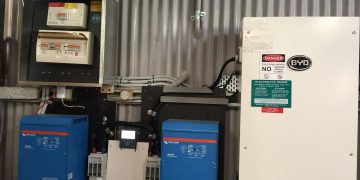
- Incorporate energy storage solutions, such as batteries, to store excess solar energy for use during peak hours.
- Regularly maintain solar panels to ensure optimal performance and longevity.
By integrating these measures, businesses can not only enhance their sustainability but also achieve significant cost savings, positioning themselves as leaders in energy efficiency.
The Conclusion
As the sun sets on our exploration of transitioning your business to solar energy, it’s clear that the journey is illuminated with promise and potential. Embracing solar power is not merely a nod to sustainability; it’s a strategic maneuver towards innovation and resilience. As you contemplate this transformation, envision a future where your enterprise not only thrives but also contributes to a greener planet. The sun, a timeless ally, offers its energy generously, inviting you to harness its power and pioneer a brighter path forward. With each solar panel installed, your business joins a global movement towards cleaner energy, embodying a commitment to both progress and the planet. So, let the dawn of solar energy guide your business into a new era of efficiency and environmental stewardship.