











In the sprawling landscape of industrial progress, where towering structures and humming machinery define the skyline, a silent revolution is underway. This revolution is not marked by the clang of metal or the roar of engines but by the quiet hum of innovation—an innovation that promises to reshape the very foundations of large-scale industries. As the world grapples with the twin challenges of climate change and resource scarcity, the spotlight has turned to energy-efficient solutions that hold the potential to transform these industrial giants into paragons of sustainability. This article delves into the heart of this transformation, exploring how cutting-edge technologies and forward-thinking strategies are paving the way for a future where productivity and environmental stewardship walk hand in hand. Join us as we unravel the intricacies of energy efficiency in the industrial sector, a journey that promises to illuminate pathways to a more sustainable and prosperous tomorrow.
Harnessing Green Technologies for Industrial Power
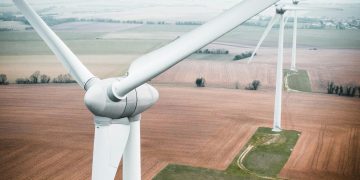
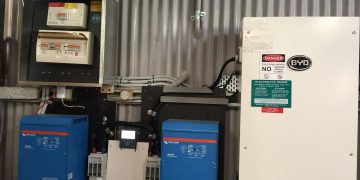
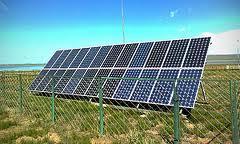
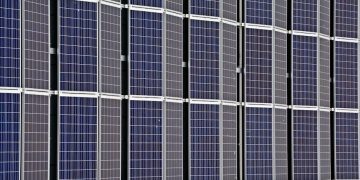
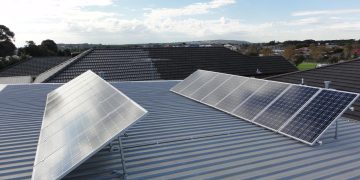
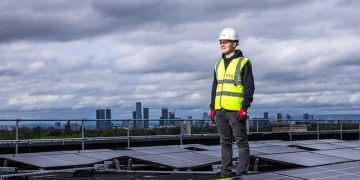
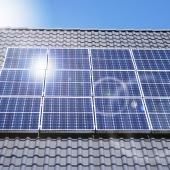
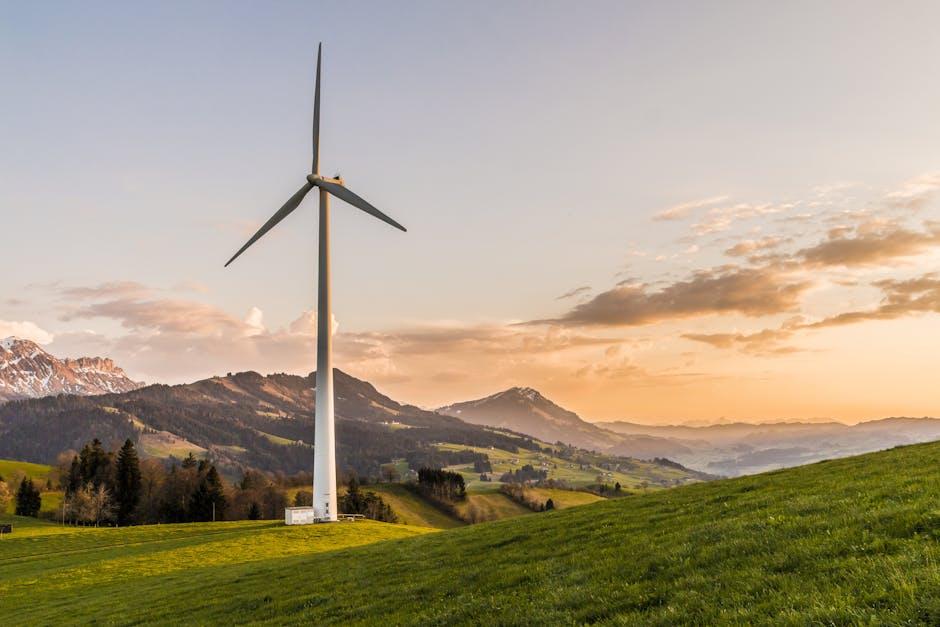
In the quest for sustainability, large-scale industries are increasingly turning to innovative solutions that significantly reduce energy consumption while maintaining productivity. Green technologies offer a multitude of options that can be tailored to meet the unique needs of industrial operations. By integrating renewable energy sources such as solar and wind power, companies can drastically cut down on their reliance on fossil fuels. Additionally, advancements in energy storage systems ensure that these renewable resources are utilized efficiently, minimizing waste and enhancing overall operational efficiency.
Beyond renewable energy, industries are also embracing cutting-edge technologies that optimize energy usage. Smart grids and IoT-enabled systems play a crucial role in monitoring and controlling energy distribution, leading to reduced wastage and improved efficiency. The adoption of energy-efficient machinery and automation technologies further contributes to a decrease in energy consumption, allowing for more sustainable manufacturing processes. By focusing on these strategies, industries can not only lower their carbon footprint but also achieve substantial cost savings in the long run.
- Integration of renewable energy sources
- Implementation of smart grids
- Use of IoT-enabled monitoring systems
- Adoption of energy-efficient machinery
- Optimization of automation technologies
Optimizing Processes for Maximum Energy Efficiency
In the quest for enhanced energy efficiency, large-scale industries must focus on refining their processes through innovative strategies. A crucial step involves streamlining operations to reduce waste and enhance productivity. This can be achieved by:
- Implementing advanced monitoring systems that provide real-time data analytics, allowing for precise adjustments to reduce energy consumption.
- Optimizing supply chains by leveraging digital platforms to enhance logistics, thereby minimizing unnecessary energy expenditure.
- Incorporating renewable energy sources into daily operations, such as solar or wind, to offset traditional energy use and lower carbon footprints.
Additionally, fostering a culture of energy consciousness among employees can lead to significant gains. Encouraging teams to participate in energy-saving initiatives and providing them with the necessary training and tools can cultivate a proactive approach to efficiency. By focusing on these areas, industries can achieve not only a reduction in energy costs but also a competitive edge in sustainability.
Innovative Waste Heat Recovery Systems
In the quest for enhanced energy efficiency, industries are turning to groundbreaking solutions that harness the untapped potential of waste heat. These advanced systems not only contribute to reducing energy consumption but also significantly lower operational costs. By capturing the excess heat generated from industrial processes, businesses can repurpose it for additional applications such as power generation, water heating, or even space heating, thereby minimizing energy waste. This innovative approach not only supports sustainability goals but also enhances the economic viability of large-scale operations.
- Reduced Energy Costs: By leveraging waste heat, industries can cut down on energy expenses, translating into substantial financial savings.
- Environmental Impact: Decreasing energy consumption results in lower carbon emissions, contributing to a cleaner and greener environment.
- Versatility: These systems can be adapted to various industrial settings, from manufacturing plants to chemical processing facilities.
- Technological Integration: Seamless integration with existing processes ensures that businesses can implement these systems with minimal disruption.
Industries adopting these solutions are not just optimizing their energy usage but are also positioning themselves as pioneers in sustainable practices. The shift towards utilizing waste heat exemplifies a commitment to innovation and environmental stewardship, paving the way for a more sustainable industrial future.

Strategic Energy Management and Monitoring Solutions
In the quest for sustainability and cost-effectiveness, large-scale industries are increasingly turning towards innovative solutions to optimize their energy consumption. By leveraging advanced monitoring systems, industries can gain real-time insights into their energy usage, identify inefficiencies, and implement strategies to enhance performance. Strategic energy management not only reduces energy costs but also minimizes the environmental impact, aligning business operations with global sustainability goals.
Key components of these solutions include:
- Smart Sensors and IoT Devices: Facilitate continuous data collection and analytics for comprehensive energy usage insights.
- Automated Control Systems: Enable precise adjustments in energy consumption, reducing waste and optimizing operational efficiency.
- Data Analytics Platforms: Provide actionable intelligence, allowing industries to track energy patterns and make informed decisions.
- Renewable Energy Integration: Encourage the adoption of solar, wind, and other renewable sources to decrease reliance on traditional energy forms.
Closing Remarks
In the ever-evolving landscape of large-scale industries, the pursuit of energy efficiency is no longer a mere option; it is a necessity. As we’ve explored, innovative solutions are not just paving the way for reduced energy consumption but are also setting the stage for a sustainable future. By embracing these energy-efficient strategies, industries can significantly diminish their carbon footprint while simultaneously enhancing operational efficiency and cutting costs. The journey towards energy efficiency is a collaborative effort, requiring the synergy of technology, policy, and human ingenuity. As industries continue to innovate and adapt, they hold the power to lead the charge towards a greener, more sustainable world. The path may be challenging, but the destination promises a brighter, more sustainable future for generations to come. Let us stride forward with resolve, turning the wheels of progress with the fuel of innovation and responsibility.