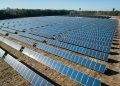









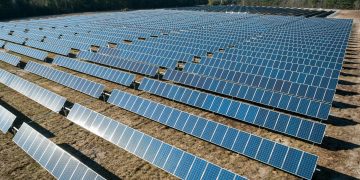

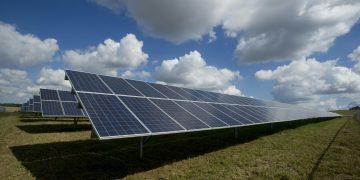


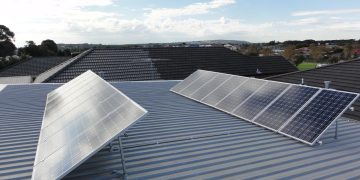



In the heart of the 21st century, where the hum of innovation echoes across the globe, a silent revolution is unfurling under the vast canopy of the sky. Solar farms, with their sprawling arrays of gleaming panels, are quietly transforming landscapes and reshaping the narrative of energy consumption. These modern-day sun catchers promise a beacon of hope in the quest for sustainable energy solutions, yet their influence extends far beyond environmental benefits. As the sun casts its golden glow upon these vast fields, a ripple effect reaches into the homes of countless individuals, subtly altering the dynamics of residential energy costs. This article delves into the intricate dance between solar farms and household energy expenses, exploring whether the proliferation of solar power translates into tangible savings for everyday consumers or introduces new complexities into the energy equation. Join us as we navigate this evolving landscape, seeking clarity amidst the interplay of light, technology, and economics.
Harnessing Sunlight for Savings: Understanding the Economic Benefits
As solar farms continue to sprout across the landscape, their influence on residential energy costs becomes increasingly evident. By leveraging the power of the sun, these sprawling installations not only generate clean energy but also introduce a ripple effect that benefits homeowners. The production of abundant solar energy helps stabilize and often reduce electricity prices by decreasing the demand for fossil fuels and mitigating the volatility of energy markets. Solar farms can serve as a hedge against fluctuating energy prices, ensuring that households enjoy more predictable and potentially lower energy bills.
- Reduction in energy transmission costs due to proximity to solar farms.
- Decreased reliance on non-renewable energy sources.
- Increased energy independence for local communities.
Moreover, the economic benefits extend beyond just the cost of energy. Solar farms can invigorate local economies by creating jobs and providing landowners with additional income through lease agreements. As the infrastructure grows, the technology also becomes more accessible and affordable, further driving down costs. The collective shift towards solar energy not only supports a more sustainable future but also empowers consumers by offering them more control over their energy expenses.

Shining a Light on Cost Reductions: How Solar Farms Influence Energy Bills
In recent years, solar farms have emerged as powerful allies in the quest for affordable energy. These sprawling fields of photovoltaic panels are not just engineering marvels; they are transformative forces that can substantially decrease the cost of electricity for residential consumers. By harnessing the sun’s abundant energy, solar farms can generate large quantities of clean, renewable electricity, which often leads to a reduction in wholesale electricity prices. This decrease is then passed on to consumers, who may notice a drop in their monthly energy bills.
There are several key factors through which solar farms can lead to cost savings for households:
- Supply and Demand Dynamics: Increased supply from solar farms can lead to lower energy prices during peak sunlight hours.
- Energy Independence: By reducing reliance on fossil fuels, solar farms can mitigate the impact of volatile fuel prices.
- Grid Stability: Enhanced grid stability from diversified energy sources can lower operational costs, which can be reflected in consumer pricing.
Through these mechanisms, solar farms play a crucial role in shaping a future where energy is not only cleaner but also more affordable for everyone.

Community Empowerment Through Solar: Bridging the Gap Between Farms and Homes
Solar farms are rapidly transforming the landscape of energy production, serving as pivotal hubs that connect rural innovation with urban needs. By harnessing the power of the sun, these expansive arrays of photovoltaic panels not only generate clean energy but also contribute to a significant reduction in residential energy costs. Communities living in proximity to solar farms often enjoy lower electricity bills, as the abundant and renewable energy generated locally can be distributed more efficiently, minimizing transmission losses and reducing reliance on fossil fuels.
- Cost-Effective Energy: Residents benefit from decreased utility bills due to lower production costs associated with solar energy.
- Local Economic Growth: Solar farms create job opportunities, boosting local economies and fostering community development.
- Environmental Benefits: Reduced carbon footprint and less air pollution contribute to healthier living conditions.
The integration of solar farms into community energy grids symbolizes a progressive step towards energy independence and sustainability. This harmonious connection between agriculture and urban development not only empowers local populations but also exemplifies a modern model of symbiotic growth, where technology and community well-being advance hand in hand.

Strategic Integration: Recommendations for Maximizing Residential Savings with Solar Farms
To fully leverage the cost-saving potential of solar farms, strategic integration is key. Homeowners should first explore community solar programs that allow them to purchase or lease panels from nearby solar farms. This approach not only reduces initial investment costs but also provides access to shared energy production benefits. Furthermore, partnering with local energy cooperatives can facilitate a seamless transition to solar energy, ensuring consistent supply and favorable rates.
- Energy Audits: Conducting a comprehensive energy audit can pinpoint areas where efficiency improvements can be made, maximizing the impact of solar savings.
- Smart Metering: Implementing smart metering systems enables homeowners to monitor energy usage in real-time, optimizing consumption patterns and further reducing costs.
- Incentive Programs: Leveraging government incentives and rebates can significantly offset initial costs and accelerate the payback period.
- Community Engagement: Engaging with local community initiatives focused on renewable energy can provide valuable insights and opportunities for collaborative savings.
By embracing these strategies, residents can significantly reduce their energy expenses while contributing to a sustainable energy future.
To Conclude
As the sun dips below the horizon, painting the sky with hues of amber and gold, the silent giants of the solar farms continue their steadfast watch. These sprawling arrays, with their promise of harnessing the sun’s abundant energy, stand at the crossroads of innovation and tradition, casting both light and shadows on the landscape of residential energy costs. While the benefits of reduced bills and sustainable energy glow brightly, the path is not without its share of challenges and questions. As we navigate this evolving energy frontier, the dialogue between communities, policymakers, and industry leaders will shape the balance between cost, access, and environmental stewardship. The future, much like the sun, is a powerful source of potential. It beckons us to explore and harness it wisely, ensuring that the promise of solar power illuminates not just our homes, but our shared journey towards a more sustainable tomorrow.