








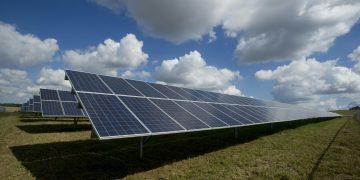


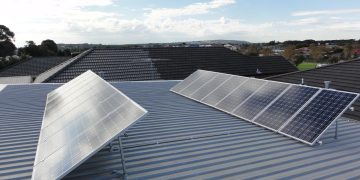



In an era where sustainability is becoming as pivotal as location, location, location, the allure of solar energy has begun to cast a transformative glow on the real estate market. As homeowners increasingly pivot towards eco-friendly solutions, the installation of solar panels is no longer just a nod to environmental consciousness but a strategic investment that can influence property values. This interplay between renewable energy and real estate is reshaping the landscape, inviting both potential buyers and current homeowners to reconsider what truly adds value to a property. In this exploration, we delve into the dynamic relationship between solar energy and property values, unraveling how harnessing the power of the sun can illuminate more than just our homes.
Evaluating the Financial Impact of Solar Installations on Real Estate
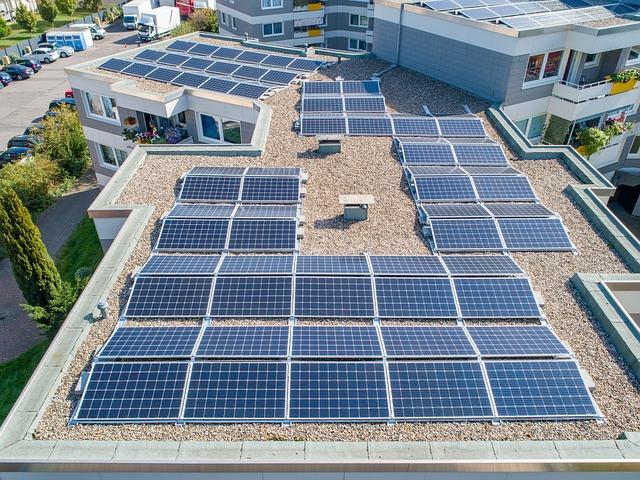
As the world increasingly turns towards renewable energy, solar installations have emerged as a significant player in enhancing property values. Real estate professionals and homeowners alike are witnessing the financial benefits of adopting solar energy. By reducing electricity bills, solar panels not only offer immediate savings but also present long-term economic advantages. Properties equipped with solar systems often enjoy a competitive edge in the market, appealing to eco-conscious buyers and those looking to minimize their carbon footprint.
- Energy Independence: Homeowners benefit from reduced reliance on traditional power sources.
- Government Incentives: Many regions offer tax breaks and incentives for solar installations, further increasing property appeal.
- Increased Marketability: Properties with solar panels often sell faster due to the growing demand for sustainable homes.
However, it is crucial to consider factors such as the age of the solar system, maintenance costs, and regional solar policies when evaluating the financial impact. Understanding these dynamics helps both sellers and buyers make informed decisions, ensuring that solar installations remain a valuable asset in the real estate market.
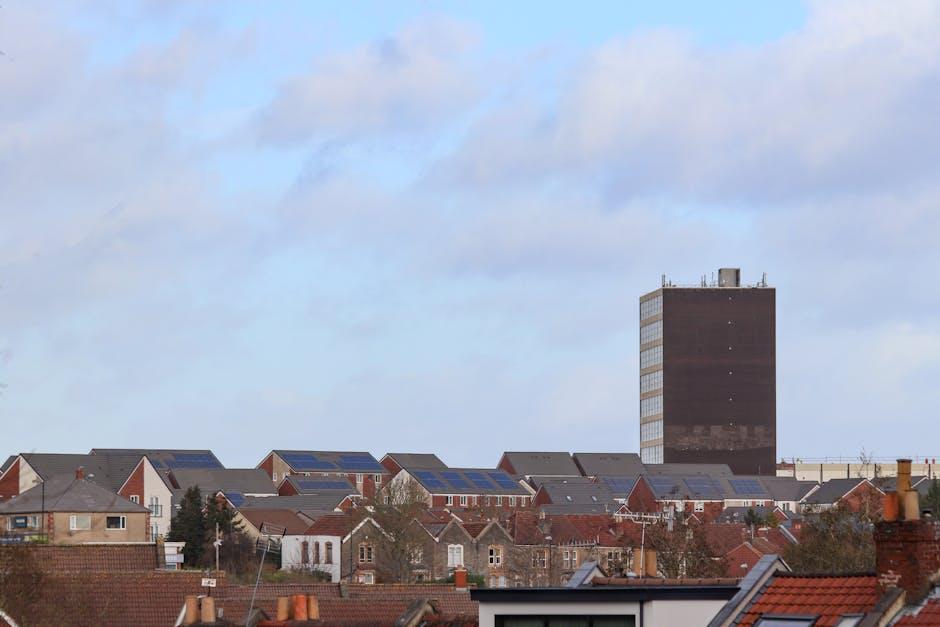
Exploring Regional Variations in Solar-Enhanced Property Valuations
The impact of solar energy installations on property values varies significantly across different regions, driven by factors such as local climate, government incentives, and cultural attitudes towards sustainability. In sun-drenched areas like the Southwest United States, solar panels are a hot commodity, where the abundant sunshine allows homeowners to maximize their energy savings, leading to a noticeable increase in property valuations. Here, the return on investment is often more immediate, as potential buyers recognize the long-term benefits of reduced utility costs and environmental impact.
In contrast, regions with less consistent sunlight or fewer financial incentives may not experience the same level of enthusiasm. However, even in these areas, solar energy can still offer value by appealing to eco-conscious buyers and those looking to reduce their carbon footprint. Factors that can influence this include:
- Local energy costs: Areas with high electricity prices may see a greater appreciation in home value due to the cost savings associated with solar power.
- Government incentives: Tax credits, rebates, and other financial incentives can make solar installations more attractive, enhancing property appeal.
- Cultural attitudes: Regions with a strong environmental ethic or progressive energy policies may place a higher premium on solar-equipped homes.
Navigating the Appraisal Process with Solar Features in Mind
Understanding how solar installations influence property appraisals can be a game-changer for homeowners and real estate professionals alike. Solar features are increasingly seen as valuable assets, yet their impact on appraisals can vary. The first step is to ensure that the appraiser recognizes the full value of the solar system. Highlight the age and condition of the panels, their energy output, and any warranties that come with the system. It’s also crucial to document any savings on utility bills, as these can significantly enhance the perceived value.
When preparing for an appraisal, consider presenting the following points to the appraiser:
- The current market trends for solar-equipped homes in the area.
- Detailed information on the installation costs and expected lifespan of the solar system.
- Evidence of increased energy efficiency and lower electricity bills.
- Any available tax incentives or rebates that have been utilized.
Properly communicating these aspects can bridge the knowledge gap and ensure that the appraiser factors in the comprehensive benefits of solar energy, leading to a more accurate reflection of the property’s market value.

Strategic Tips for Maximizing Home Value through Solar Investments
Investing in solar energy is not just about reducing utility bills; it’s also a strategic move to enhance your property’s market appeal. To make the most of your solar investment, consider these key strategies. First, choose the right solar panel system that aligns with your home’s energy needs and architectural aesthetics. This not only optimizes energy efficiency but also enhances curb appeal, a crucial factor in real estate valuation.
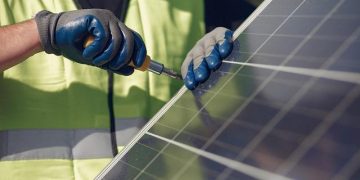
- Professional Installation: Ensure that the solar panels are installed by certified professionals to avoid any potential issues that could affect the property’s value.
- Documentation and Incentives: Keep detailed records of the installation process and any incentives or rebates received. This information can be pivotal during property transactions, providing potential buyers with clarity on savings and benefits.
- Regular Maintenance: Implement a regular maintenance schedule to ensure that the system remains in optimal condition. This demonstrates to potential buyers that the system is well-cared for and efficient.
Moreover, it’s essential to highlight the financial benefits of the solar system in any real estate listings. Present clear data on reduced energy costs and potential tax benefits, making your home an attractive option for eco-conscious buyers. By strategically managing your solar investment, you not only contribute to environmental sustainability but also significantly boost your property’s market value.
Final Thoughts
In the ever-evolving landscape of real estate, the sun is rising as a formidable player. As we’ve explored, solar energy is not just a beacon for sustainability but a catalyst for property value transformation. The interplay between sunlit rooftops and real estate dynamics offers a glimpse into a future where ecological consciousness and economic pragmatism walk hand in hand. As buyers become more attuned to the environmental and financial benefits of solar installations, the market is poised for a shift that could redefine property valuation norms. Whether you’re a homeowner considering solar panels or a prospective buyer navigating this sun-drenched terrain, understanding the solar equation is becoming increasingly essential. As the world tilts towards greener pastures, the question isn’t just how solar energy will affect property values, but how it will illuminate the path forward for the real estate industry. The dawn of solar-enhanced living is upon us, and with it, a brighter horizon for homeowners and investors alike.