





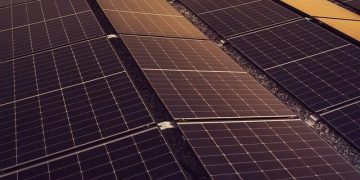

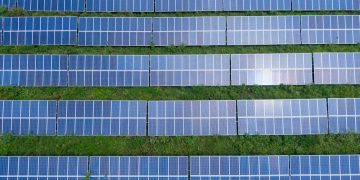
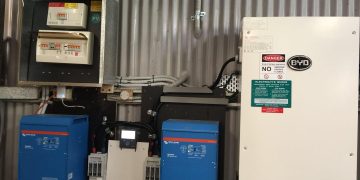
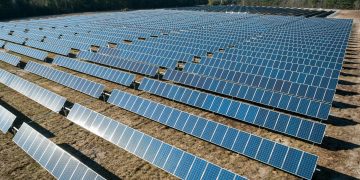



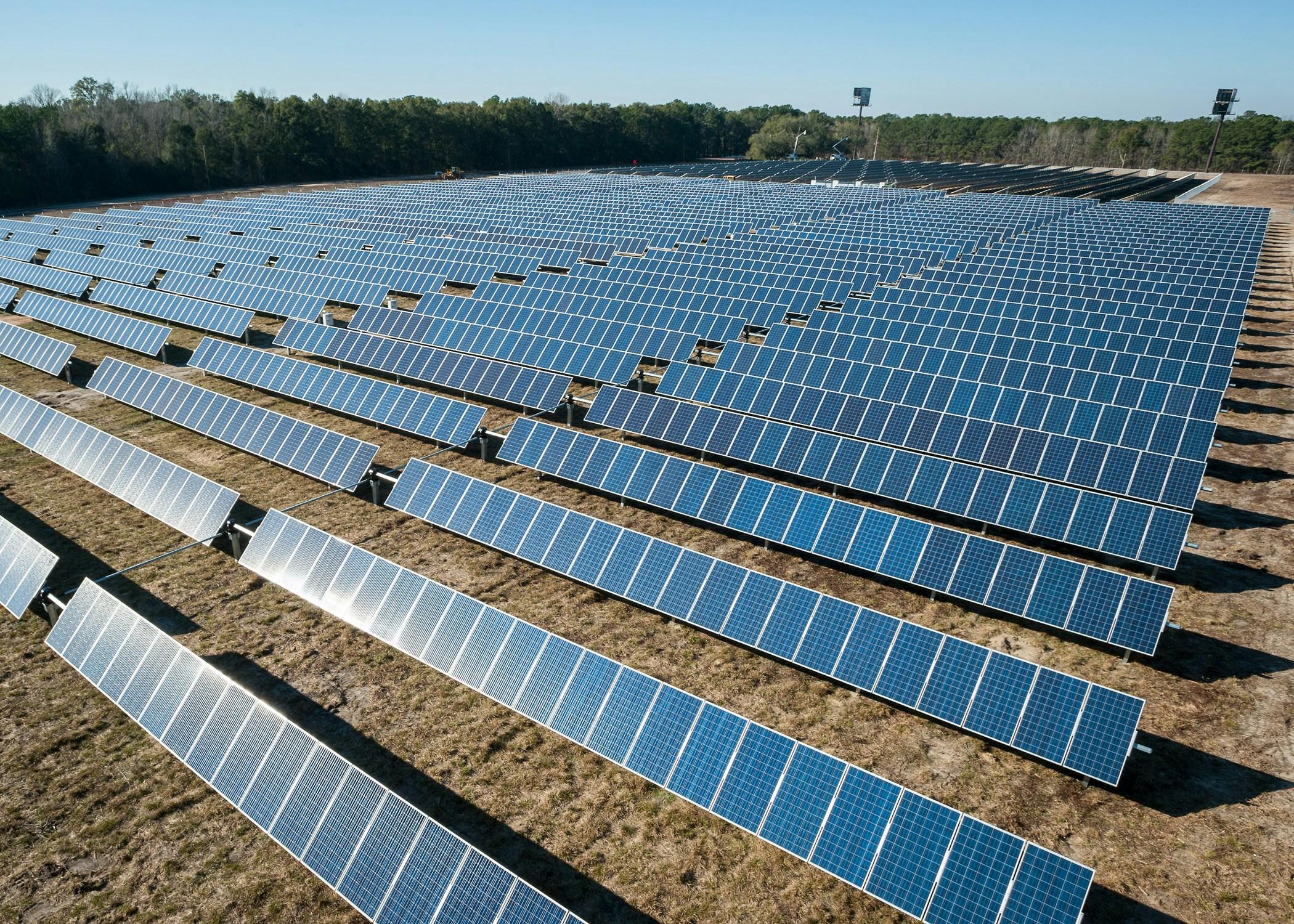
In recent years, solar power has emerged as a beacon of sustainable energy, promising to illuminate our homes while dimming our carbon footprint. As more homeowners catch this wave of renewable energy, solar panels have begun to dot neighborhoods like sunflowers in a vast field. Yet, beneath the sunny promise of lower electricity bills and eco-friendly living, a question lingers in the shadows: Does harnessing the sun’s power inadvertently lead to higher property taxes? This article delves into the nuances of solar power adoption, exploring whether the financial benefits of going green are offset by potential tax implications. Join us as we navigate the intersection of innovation, sustainability, and economics, uncovering the truth about solar energy’s impact on property taxes.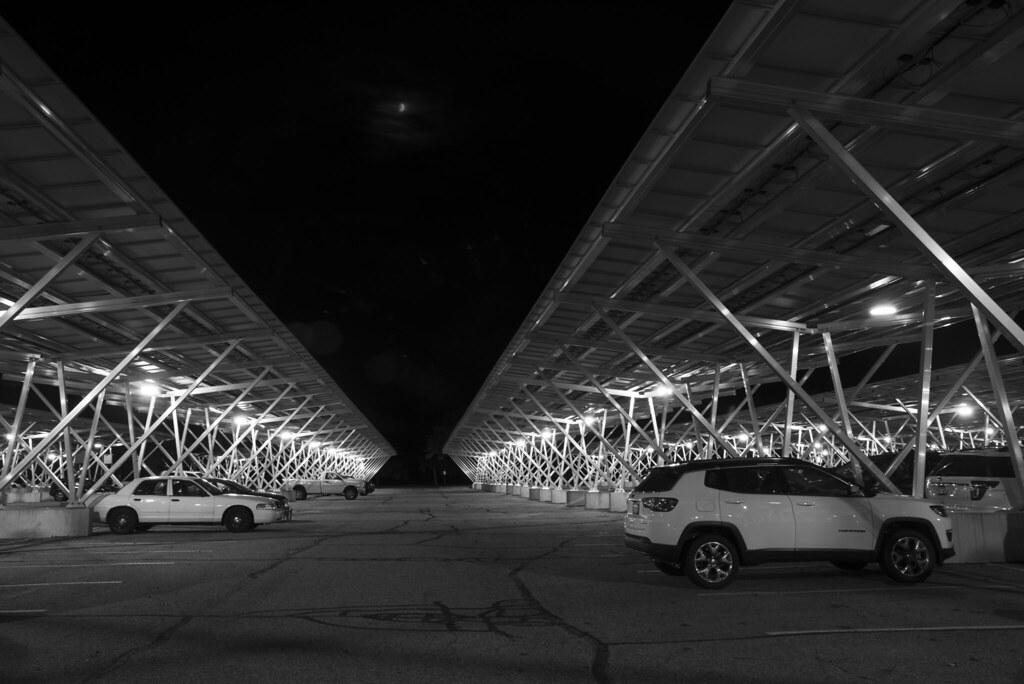
Understanding the Financial Implications of Solar Power Installation
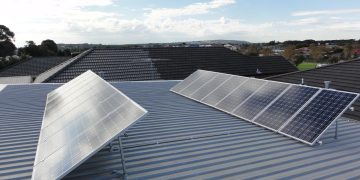
Investing in solar power for your home can be a significant financial decision, and understanding how it affects your property taxes is crucial. In many regions, the installation of solar panels may initially seem like it could lead to increased property taxes due to the rise in property value. However, numerous jurisdictions offer exemptions or incentives that prevent these installations from impacting your tax bill. It’s essential to research local policies, as they can vary widely. Some areas provide a property tax exemption for the added value from solar systems, encouraging homeowners to adopt renewable energy without fear of a tax hike.
- Local Incentives: Check if your area offers property tax exemptions for solar installations.
- State Programs: Many states have specific programs to promote solar energy, potentially affecting tax assessments.
- Long-term Savings: Even if taxes are affected, the savings on energy bills can outweigh the costs over time.
- Increased Home Value: While beneficial, ensure you understand how this may impact your overall tax situation.
Ultimately, while solar power can increase your property’s market value, it doesn’t necessarily mean an increase in property taxes. Understanding local regulations and incentives is key to maximizing your investment without unexpected financial burdens.

Examining Property Tax Policies for Solar-Equipped Homes
As the sun shines brighter on the horizon of renewable energy, homeowners with solar panels often find themselves in a maze of property tax regulations. Navigating these policies can be tricky, as they vary widely from state to state, and even within municipalities. While solar installations can increase a home’s value, they do not necessarily translate to higher property taxes. In many regions, policies are designed to encourage renewable energy by offering exemptions or credits that offset any potential tax increase. These incentives aim to foster a greener future without penalizing those who take the initiative to invest in solar energy.
- Some states offer full property tax exemptions for solar installations, ensuring that the added value from the solar system doesn’t result in higher taxes.
- Others may provide partial exemptions, reducing the taxable value of the solar equipment.
- There are areas where solar panels do not impact property taxes at all, maintaining a neutral tax status.
Understanding these varying policies is crucial for homeowners considering solar investments. By researching local tax regulations and consulting with tax professionals, homeowners can make informed decisions that maximize both their environmental impact and financial benefits. This nuanced landscape of tax policy underscores the importance of local governance in shaping the future of sustainable living.
Insights into State and Local Tax Incentives for Solar Energy
When it comes to harnessing the sun’s power, state and local governments are rolling out an array of tax incentives designed to make solar energy more accessible and appealing. These incentives can significantly reduce the financial burden on homeowners and businesses looking to transition to renewable energy. However, there is often a concern that installing solar panels might lead to an increase in property taxes. Fortunately, many regions have put policies in place to counteract this potential drawback.
Here’s how some areas are addressing the issue:
- Property Tax Exemptions: Many states offer property tax exemptions for solar installations, ensuring that the value added by solar panels doesn’t increase the assessed value of a home.
- Tax Abatements: In certain localities, tax abatements temporarily reduce property taxes, allowing homeowners to enjoy the benefits of solar energy without an immediate increase in their tax bills.
- Renewable Energy Certificates (RECs): Some regions issue RECs, which can be sold or traded, providing an additional financial benefit that offsets potential tax implications.
By understanding these incentives, property owners can make informed decisions about adopting solar technology, potentially reaping the environmental and economic benefits without the burden of higher property taxes.

Strategic Recommendations for Homeowners Considering Solar Power
Homeowners contemplating the switch to solar power should consider several strategic recommendations to ensure an informed decision. First and foremost, it’s essential to research local incentives and exemptions related to solar energy installations. Many regions offer property tax exemptions for homes with solar systems, which can alleviate concerns about potential tax increases. By understanding your locality’s specific policies, you can better assess the financial implications of adopting solar energy.
- Consult with local tax assessors to understand how solar panels might impact your property’s assessed value.
- Explore state and federal incentives, such as tax credits and rebates, which can offset initial installation costs.
- Consider long-term savings on energy bills, which often outweigh any minor tax increases.
Furthermore, it’s wise to connect with neighbors or community members who have already installed solar systems. Their experiences can provide valuable insights into the process, including how it affected their property taxes. Ultimately, by arming yourself with comprehensive knowledge and community perspectives, you can make a strategic decision that aligns with both your environmental and financial goals.
In Summary
As we draw the curtains on our exploration of whether solar power installations lead to higher property taxes, it becomes clear that the intersection of sustainable energy and fiscal policy is anything but straightforward. While some homeowners bask in the sunlight of tax incentives and increased property value, others navigate the shadows of nuanced tax assessments. What remains certain is the transformative power of the sun, not only in energizing our homes but also in sparking important conversations about the future of energy and economics. As we continue to harness the sun’s potential, the dialogue between policymakers, homeowners, and energy advocates will undoubtedly evolve, illuminating pathways that balance innovation with equitable taxation. Until then, the horizon remains bright with possibility, inviting us to consider not just the costs and benefits, but the broader impact of our shift toward a more sustainable future.