








Harnessing the power of the sun has become more than just an environmentally conscious decision; it is now a strategic move for businesses looking to reduce operational costs and increase sustainability. As commercial properties stretch across urban and rural landscapes, optimizing solar panel placement emerges as a critical task that balances architectural aesthetics with maximum energy efficiency. This article delves into the art and science of positioning solar panels on commercial properties, offering insights that blend innovative technology with practical application. Whether you’re a seasoned facility manager or a business owner stepping into the realm of renewable energy, understanding the nuances of solar panel placement can illuminate your path to a greener, more cost-effective future. Join us as we explore the factors, strategies, and tools that transform rooftops and open spaces into solar powerhouses.
Evaluating Sunlight Exposure for Maximum Efficiency
To achieve maximum efficiency from solar panels on commercial properties, a thorough evaluation of sunlight exposure is crucial. Understanding the unique characteristics of your property can make all the difference. Begin by analyzing the orientation and tilt of your building’s roof or available land. An ideal setup would position the panels to face true south in the northern hemisphere, or true north in the southern hemisphere, optimizing the angle to capture the sun’s rays throughout the day.
- Conduct a solar site analysis: Use tools like solar pathfinders or apps that predict sun paths to gauge shading obstacles.
- Consider seasonal changes: Ensure the placement allows for optimal exposure during different times of the year.
- Factor in the local climate: Be mindful of weather patterns that could affect sunlight exposure, such as frequent cloud cover.
By tailoring your solar panel placement to the specific conditions of your commercial property, you can significantly boost the energy output. Collaborating with a solar energy consultant can also provide valuable insights and technical expertise to fine-tune your approach, ensuring you harness the full potential of solar energy.
Harnessing Rooftop Potential with Strategic Positioning
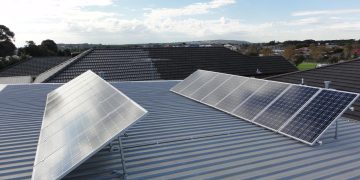
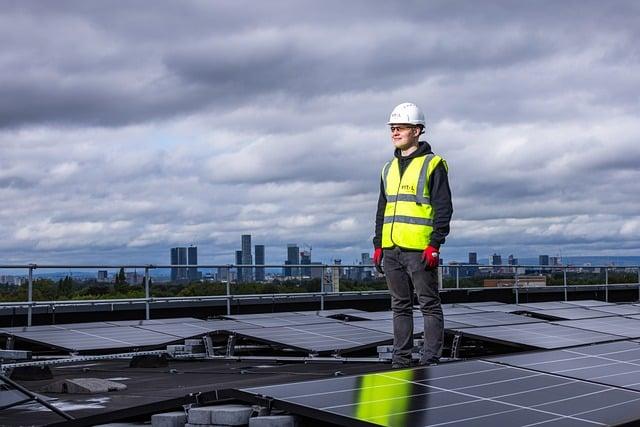
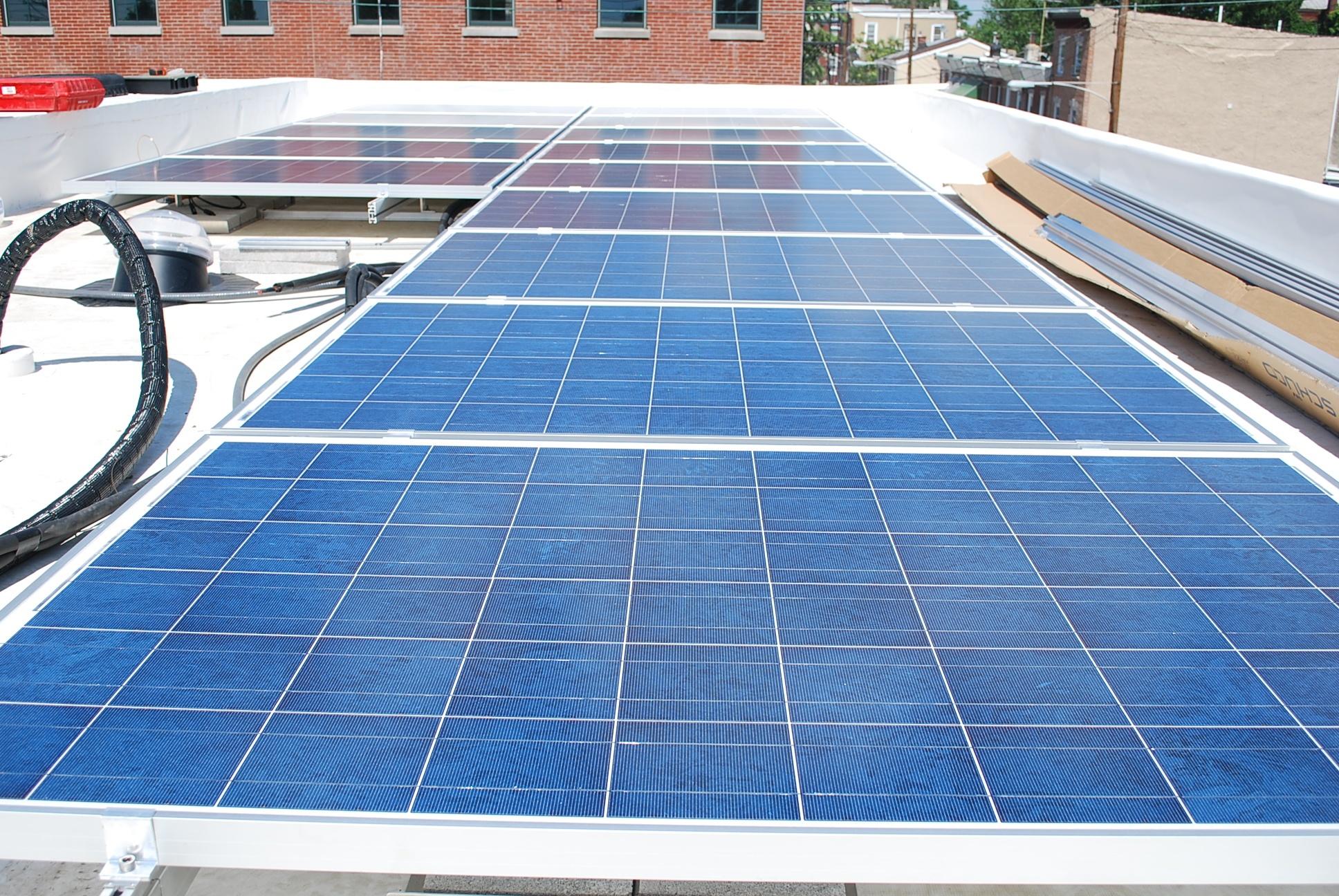
Commercial rooftops offer a vast, underutilized canvas perfect for solar panel installation, yet the key to maximizing energy production lies in strategic positioning. By aligning panels to capture the optimal amount of sunlight, businesses can significantly enhance their energy efficiency and reduce operational costs. Understanding the sun’s path is crucial; panels should ideally face south in the northern hemisphere to receive the most consistent exposure throughout the day.
When planning the layout, consider factors such as roof angle and obstructions. A slightly tilted roof can be advantageous, but adjustments might be necessary to ensure the panels are angled between 30-45 degrees for peak performance. Be mindful of potential shadows from neighboring buildings or roof installations like HVAC systems. To further optimize placement, explore these tactics:
- Assess Roof Durability: Ensure the structure can support the additional weight and withstand environmental factors.
- Monitor Weather Patterns: Analyze local climate conditions to anticipate and mitigate shading issues.
- Utilize Advanced Software: Leverage solar design tools for precise modeling and simulation of solar exposure.
Mitigating Shading and Obstructions for Optimal Output
To ensure your solar panels operate at peak efficiency, it’s crucial to address potential shading and obstructions that could hinder their performance. Strategic site analysis is the first step, involving a thorough examination of the property’s landscape to identify any existing or future elements that may cast shadows on the panels. Consider the impact of trees, nearby buildings, and even seasonal changes in the sun’s path. Employing tools like solar pathfinders or digital modeling software can help visualize and mitigate these shading risks.
Implementation strategies include:
- Positioning panels in areas that receive unobstructed sunlight throughout the day.
- Trimming or removing trees that may interfere with solar exposure.
- Installing panels on elevated structures or rooftops to minimize shading from surrounding objects.
- Opting for adjustable mounting systems that can be tilted or oriented to capture maximum sunlight.
By thoughtfully considering these factors, commercial properties can harness the full potential of solar energy, ensuring a more sustainable and cost-effective power solution.
Incorporating Technology and Tools for Precision Placement
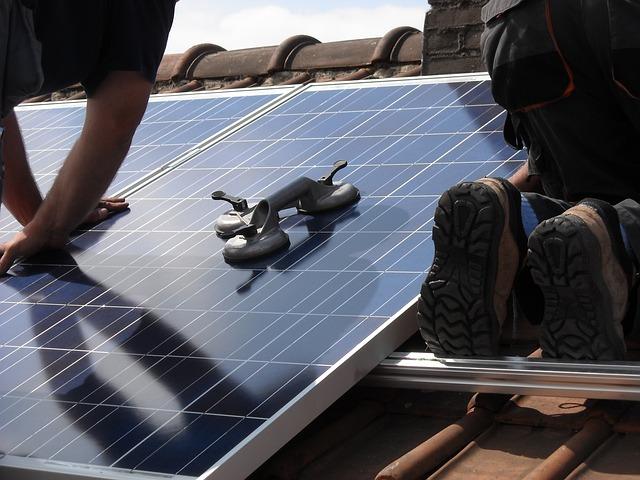
Leveraging modern technology and tools can significantly enhance the precision and efficiency of solar panel placement on commercial properties. Advanced software solutions like Geographic Information Systems (GIS) and 3D modeling can provide detailed insights into geographical and architectural nuances. These tools enable accurate simulations of sunlight exposure and potential shading, ensuring optimal panel positioning for maximum energy capture. By integrating data analytics, property owners can anticipate energy yield and financial returns more precisely.
- Drone Technology: Offers aerial perspectives for site assessments, capturing high-resolution images and topographical data.
- Machine Learning Algorithms: Predicts weather patterns and adjusts panel orientation dynamically to maximize efficiency.
- IoT Sensors: Monitors real-time performance, facilitating proactive maintenance and operational adjustments.
Incorporating these technologies not only enhances the effectiveness of solar installations but also streamlines the decision-making process, reducing both time and costs associated with deployment. Embracing innovation in solar panel placement is a critical step towards sustainable energy solutions for commercial properties.
Concluding Remarks
In the ever-evolving landscape of sustainable energy, optimizing solar panel placement on commercial properties stands as a beacon of innovation and responsibility. As we draw the curtains on our exploration of this pivotal topic, it’s clear that the intersection of technology, design, and environmental stewardship offers a path not just to efficiency, but to a brighter, more sustainable future. By considering factors such as sunlight exposure, architectural design, and advanced analytical tools, businesses can transform their rooftops and open spaces into powerful hubs of clean energy. As you step away from these insights, remember that every square foot of solar panel installed is a step toward reducing carbon footprints and championing a more sustainable world. May your journey toward solar optimization be illuminated with both insight and inspiration, driving not only economic savings but also a commitment to the planet we all share.